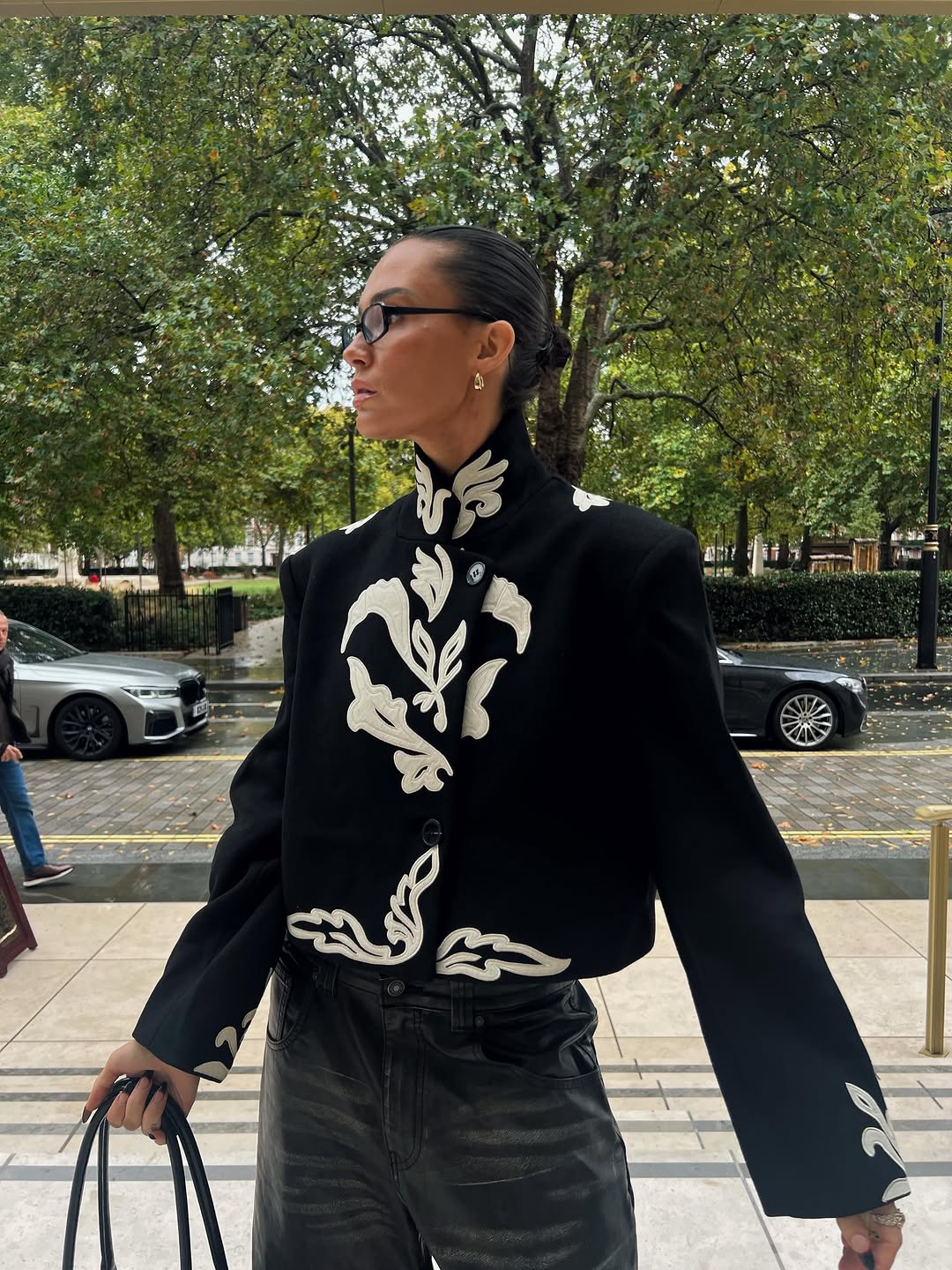
The global itinerary is not a checklist, it is a state of mind. Our latest collection of dispatches from here and there confirms what we have long suspected: the modern muse moves not by schedule but by instinct, gathering impressions rather than souvenirs. We believe this signals a return to travel as a sensory practice, not a productivity metric.
For the woman who lives between time zones, these fragments of experience, a morning in Marrakech, an evening in Kyoto, a stolen afternoon in a forgotten Florentine courtyard, are the raw materials of personal style. They are not random; they are curated. Each encounter sharpens the eye and refines the edit. The practical takeaway is this: stop treating travel like a series of destinations to be conquered. Instead, treat it as a mood board that evolves with every landing. Pack fewer things, but pack the right ones. A single cashmere sweater worn across three capitals carries more authority than a suitcase of fast-fashion options. As we noted in The Art of the Carry-On, the most traveled woman travels light because she knows her destination will provide the texture.
The bits and bobs we have gathered, a ceramic bowl from a Lisbon flea market, a hand-written note from a hotel concierge in Buenos Aires, the exact shade of terracotta that appears only at 5 p.m. in Seville, are not clutter. They are coordinates. They anchor a life lived with intention. What this means for our reader is a shift in how you document your own journey. Stop photographing monuments and start photographing the light on a wall. Stop collecting receipts and start collecting references. The woman who travels well understands that the most valuable thing she brings home is not a purchase but a perspective. Our Guide to the Jetset Edit explores how to translate these impressions into a wardrobe that moves with you, not against you.
The question worth watching is whether the luxury industry will catch up to this quieter, more edited version of globetrotting. The loud logos and branded luggage of the past decade feel suddenly heavy. The next wave belongs to pieces that whisper, a perfectly worn-in loafer, a silk scarf that doubles as a travel blanket, a leather tote that holds a passport, a notebook, and nothing else. We are watching for the brands that understand the difference between showing off and showing up. The specific detail to track is the rise of hotel collaborations with independent artisans rather than mass-market retailers. If the concierge can name the ceramist who made the vase in the lobby, you are in the right place. If the gift shop sells branded keychains, you are not.