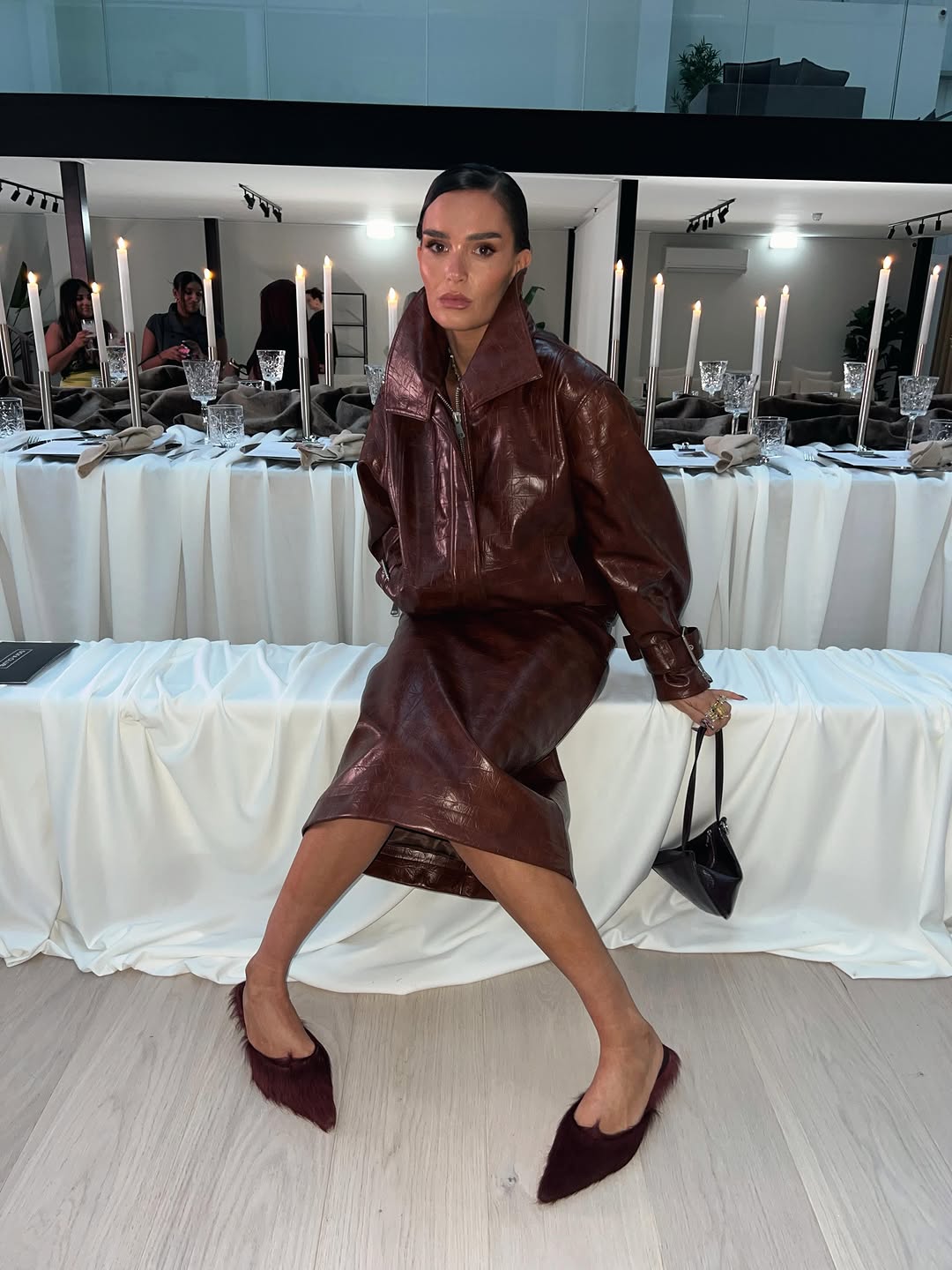
A single candle, an empty plate, the soft glow of an evening that asks for nothing more than presence. That is the image we are given from a recent post: "A lovely evening last week," accompanied by the simplest of visual cues, a table set with intention, a moment suspended in quiet refinement. No location named, no menu described, no elaborate backstory. And that is precisely the point.
In a culture that demands constant narration, there is something deeply authoritative in saying less. This is not a post about what was eaten or where the reservation was. It is a study in atmosphere, a reminder that the most curated experiences often require no explanation. Compare this to our recent reflection on A Classic Pursuit: Polo, Style, and Timeless Tradition, where tradition itself becomes the subject. There, the ritual of sport and heritage dressing anchors the narrative. Here, the ritual is the narrative. Both understand that elegance is not about volume, it is about selection. The reader who asks, "What should I take from this?" should understand that a single, well-chosen moment carries more weight than a dozen rushed ones.
What makes this image resonate is its refusal to perform. There is no caption explaining the provenance of the candle holder, no tag for the restaurant. It trusts the audience to recognize quality without being told. This is the same confidence we explored in Elevated Play: Rediscovering the Joy of Styling, where dressing becomes a form of personal curation rather than external validation. The practical takeaway for our reader is this: the next time you plan an evening, resist the urge to document every detail. Let the image breathe. Let the audience fill in the gaps. That is the difference between posting for approval and sharing a piece of your world.
The consequence of this approach is a shift in how we consume luxury content. It moves us away from the checklist, the tagged brands, the geotagged locations, the multi-slide carousels, and toward a single, intentional frame. The open question becomes: can you trust your audience enough to show them only what matters? For the modern muse, the answer is yes. Watch for the image that tells you nothing and everything at once. That is the one worth saving.