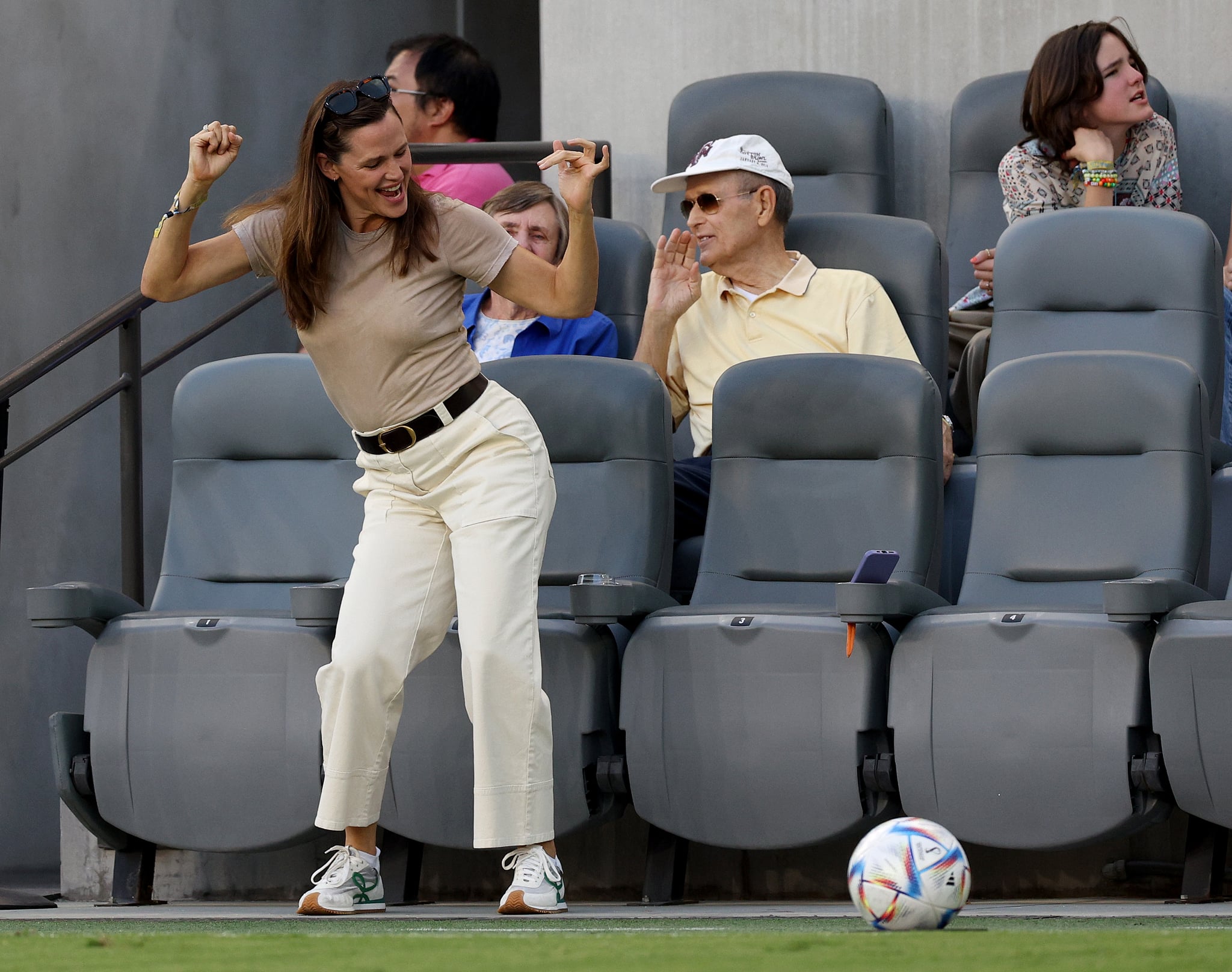
The narrative surrounding the World Cup, and indeed, the sustained global interest in soccer, often focuses on the star athletes, the tactical brilliance of managers, and the fervent passion of stadium crowds. However, a crucial, often-overlooked element underpins the entire ecosystem: the dedicated network of parents, predominantly mothers, who tirelessly support young players from grassroots leagues to professional academies. The recent piece highlighting the "soccer mom" and dismantling tired stereotypes is a welcome acknowledgement of this foundational support system, and it's a development that speaks to a broader shift in recognizing the unsung heroes behind many aspirational pursuits. It's easy to get swept up in the glamour of the game, but understanding the infrastructure that nurtures talent – and the individuals who maintain it – is essential to appreciating the sport's continued evolution. For those seeking a more elevated perspective on style and enduring trends, we recently explored Women in their 20s and 50s Agree—This is the Most Elegant Shorts Trend You Can Wear Right Now, which demonstrates a similar appreciation for timeless quality and understated elegance that mirrors the dedication of these behind-the-scenes figures.
The cliches associated with the "soccer mom" – the minivan, the orange slices, the sideline enthusiasm – are reductive and ultimately diminish the significant role these individuals play. They're not simply chaperones to a game; they're drivers, fundraisers, cheerleaders, and often, the first and most consistent advocates for their children's athletic aspirations. Their dedication extends beyond mere attendance; it encompasses countless hours spent organizing carpools, coordinating travel arrangements, securing sponsorships, and ensuring their children have access to the resources they need to succeed. This commitment fosters a supportive environment that allows young athletes to flourish, and contributes directly to the global talent pool that fuels the World Cup. Moreover, moving beyond these stereotypes aligns with a broader cultural conversation about recognizing the multifaceted roles women play in all aspects of society, particularly within traditionally male-dominated spaces. Consider, for example, the beauty and efficacy of a well-curated routine, something we recently explored through an interview with Kelli Anne Sewell in IG's Favorite Celeb Makeup Artist Just Launched an End-All Brush Collection—It Will 100% Upgrade Your Routine; both scenarios highlight the value of meticulous planning and unwavering support.
The significance of this shift in perspective extends beyond the realm of soccer. Acknowledging the dedication of parents, particularly mothers, in fostering athletic talent underscores the importance of strong family support systems in achieving any aspirational goal. It's a reminder that success isn't solely the product of individual brilliance; it's often built upon a foundation of unwavering support and practical assistance. This recognition is particularly pertinent given the increasing emphasis on youth sports and the intense pressure placed on young athletes to succeed. By celebrating the contributions of "soccer moms," we're implicitly validating the sacrifices and efforts of countless parents who invest their time, energy, and resources in their children's development. The cultural resonance is clear: the modern woman embodies strength, dedication, and a quiet power—qualities perfectly exemplified by these often-overlooked figures. And while trends come and go, the essentials of a well-considered wardrobe – quality, versatility, and a touch of timeless style – remain, as we demonstrated in This Is the Summer Wardrobe I'll Be Wearing All Season Long.
Looking ahead, it's intriguing to consider how this increased awareness of the "soccer mom's" role will impact the broader landscape of youth sports and athlete development. Will we see more initiatives aimed at supporting parents and providing them with the resources they need to effectively navigate the challenges of youth athletics? Will this recognition lead to a greater appreciation for the unsung heroes behind elite athletes? The evolution of the game, and the support systems that nurture its stars, is far from linear. Ultimately, the question remains: how can we better acknowledge and celebrate the essential contributions of those who quietly cultivate the next generation of global talent?