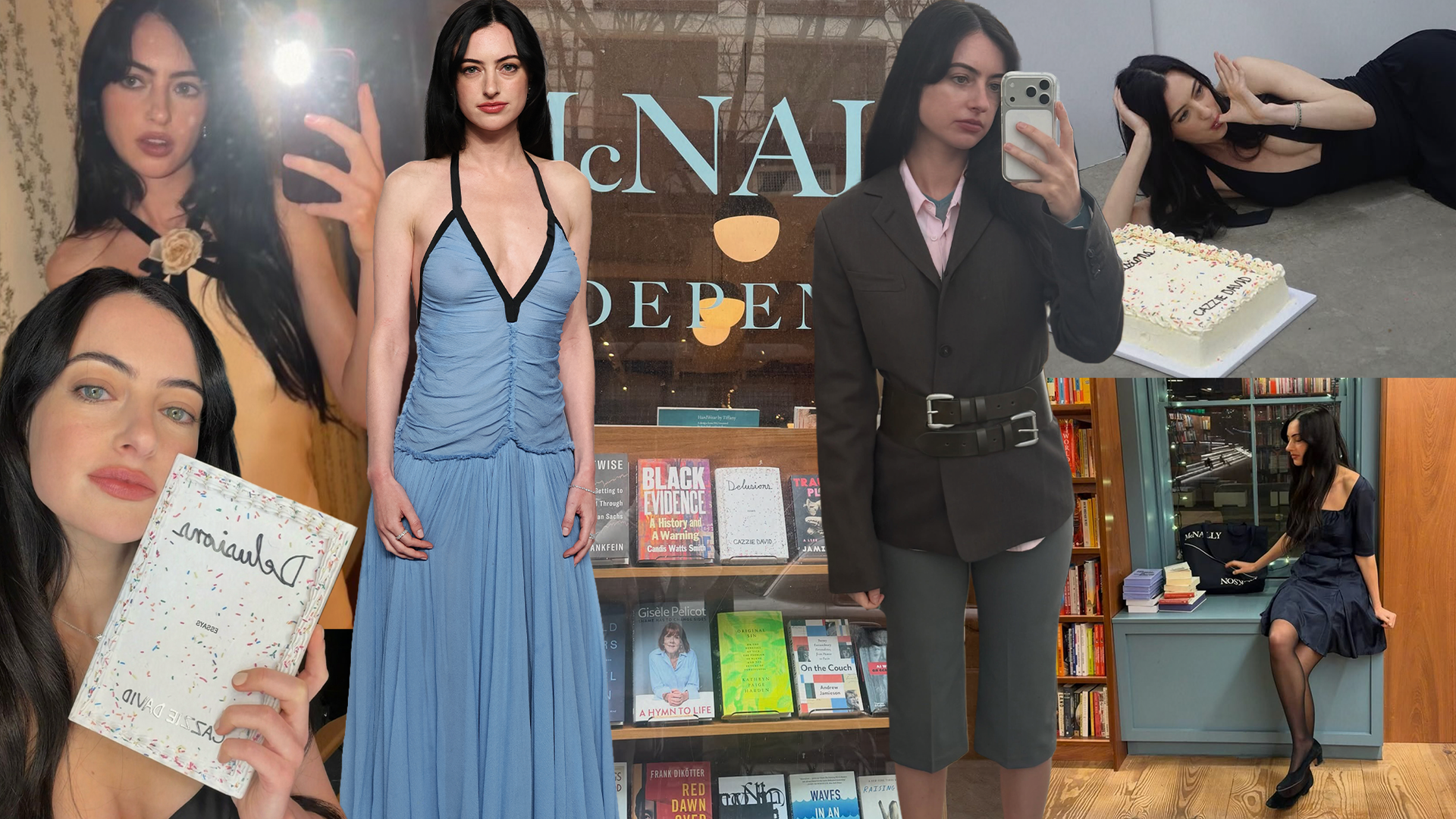
Cazzie David has turned the personal essay into an art form that feels less like confession and more like curation, selecting the most humiliating, obsessive, and disproportionately dramatic moments of her life and arranging them with the precision of a well-edited wardrobe. Her latest collection, *Delusions*, is not simply a follow-up to a bestseller; it is a masterclass in owning the narrative before anyone else can write it for you. For anyone who has ever felt the weight of inherited anxiety or the compulsion to control the uncontrollable, David's work offers a blueprint: make the chaos intentional.
The throughline in David's writing is a refusal to perform ease. She admits to writing from bed, stealing pens from Parisian hotels, and avoiding her office desk with the same dedication others bring to their work. This is not laziness, it is ritual. She writes only when she has an idea, distrusting the forced output that plagues so much of modern content. That instinct to edit ruthlessly, to bury the most personal essays at the back of the book so readers have to earn access, is a lesson in restraint. It mirrors what we see in The Store Evolves as a Curated Space for Connection and Discovery: the value is in what is withheld, not what is piled on. A space that forces discovery rewards the patient browser. A book that hides its sharpest truths rewards the committed reader.
David's relationship with vulnerability is pragmatic, not sentimental. She cites Nora Ephron's banana-peel logic, turn the slip into your punchline, and applies it with clinical detachment. She does not write to heal; she writes to connect, to be understood, and to make it harder for people to skim past her most embarrassing admissions. That is a distinctly modern luxury: the ability to control exposure while appearing fully exposed. For an audience that values curated experiences and elevated aesthetics, this approach resonates. It is not about being relatable in a generic sense; it is about being specific enough that the right people recognize themselves. The same principle applies to The Beauty Editor Edit: Curated Gifts from $50 to $1,000, a list that works because it is edited, not exhaustive. David's essays function the same way: each one earns its place.
The practical takeaway is this: treat your neuroses as material to be shaped, not as problems to be solved. David does not write to overcome her anxiety; she writes to arrange it into something that can be handed to another person. That distinction matters. For readers who aspire to elevate their own style, whether in writing, wardrobe, or daily rituals, the lesson is to stop apologizing for the raw material and start editing. The result is not perfection. It is ownership. And that is what makes *Delusions* the book worth reading this year, not for therapy, but for technique.