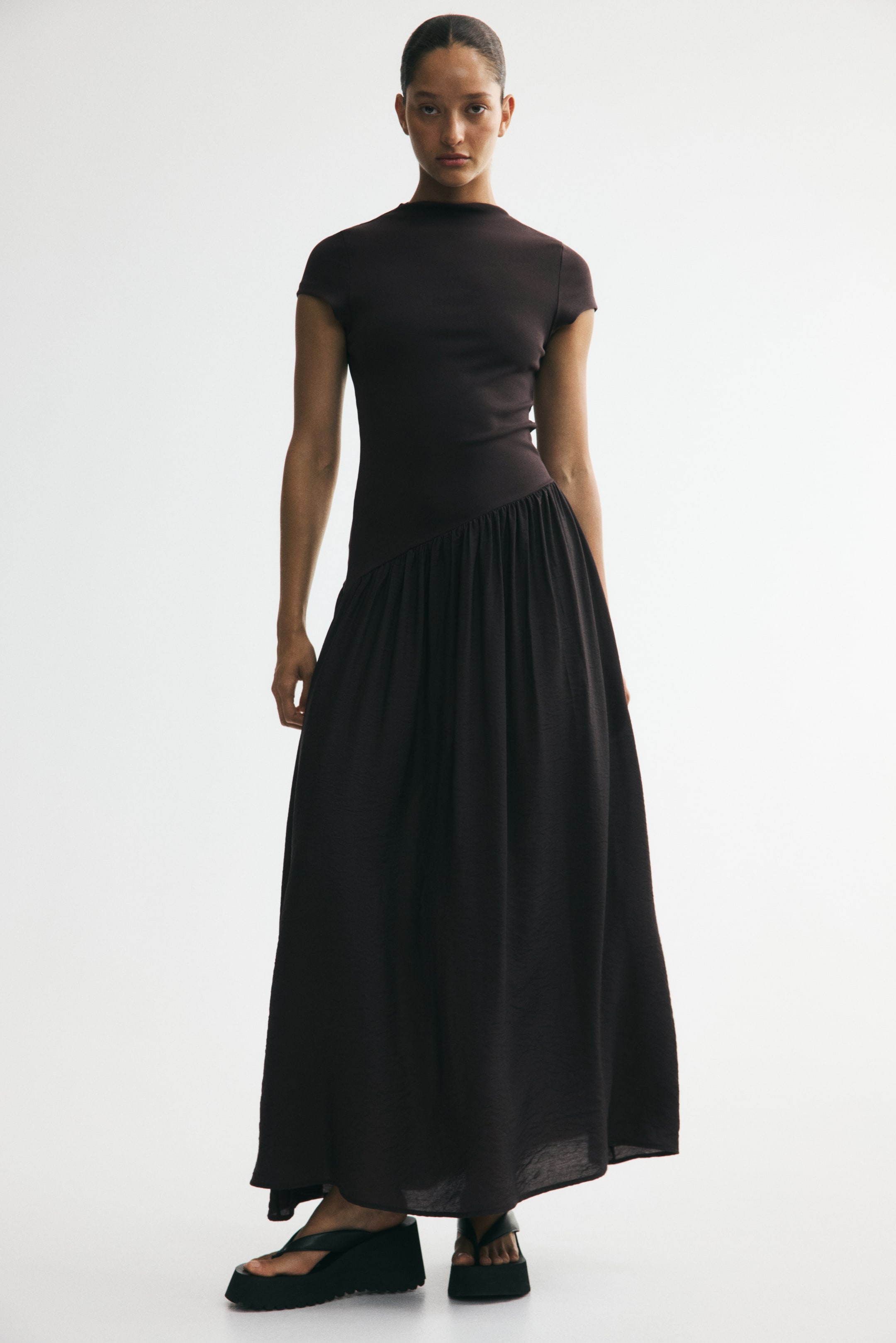
The perennial quest for the effortlessly chic holiday wardrobe is, it seems, a constant source of fascination. This recent piece on "7 Easy But Elegant Wardrobe Staples I Rely On" taps into a desire for travel style that transcends fleeting trends, a sentiment increasingly resonant with a consumer base prioritizing longevity and understated luxury. It's a refreshing counterpoint to the rapid-fire cycle of micro-trends that often dominate summer fashion. The emphasis on foundational pieces—a move away from impulsive purchases—aligns perfectly with the growing movement towards conscious consumption and building a capsule wardrobe that can be adapted across various destinations. We've seen a similar appreciation for considered choices in our own coverage, like the subtle sophistication of Trust Us—These 19 Understated Nail Looks Are Anything But Boring, demonstrating that quiet confidence often speaks volumes. And of course, the anticipation of travel itself is a powerful motivator; the excitement surrounding planning a trip, as detailed in I've Been Planning a Trip to Greece—These Are the 5 Outfits I'll Be Packing, often translates into a desire for thoughtfully curated ensembles.
The story's success lies in its articulation of a feeling many women experience: the struggle to balance the desire for stylish holiday dressing with a desire for practicality and timelessness. It acknowledges the temptation of fleeting trends, but ultimately champions a more refined approach – one that prioritizes quality over quantity and versatility over novelty. The "friends always say I look expensive" angle is particularly clever. It taps into a deep-seated aspiration – to project an image of effortless sophistication without resorting to overt displays of wealth. This isn't about conspicuous consumption; it's about conveying a sense of self-assuredness and discerning taste through carefully chosen pieces. The piece subtly reinforces the idea that true style isn't about brand names or high price tags, but about cultivating a personal aesthetic that feels authentic and intentional. It's a shift away from the influencer-driven, hyper-consumerist culture that has long dominated the fashion landscape. This resonates deeply with the values of the "quiet luxury" aesthetic, where understated elegance is paramount. The emphasis on staples also naturally lends itself to a more sustainable approach to fashion, encouraging investment in pieces that will endure beyond a single season.
The broader significance of this trend isn't just about holiday wardrobes; it reflects a wider cultural shift towards mindful consumption and a rejection of fast fashion's relentless churn. Consumers are increasingly discerning, seeking out pieces that are well-made, versatile, and reflect their personal values. This is particularly evident in the ongoing conversation around denim – the test of viral styles in I Tried Every Pair of Denim Shorts That's Gone Viral This Summer—These 8 Were My Favourites reveals a desire for both on-trend items and reliable classics. The emphasis on foundational pieces aligns with this desire for enduring style, a style that prioritizes quality and longevity over fleeting trends. Moreover, the focus on feeling confident and comfortable in what you wear is a powerful message, particularly in a world saturated with unrealistic beauty standards and curated online personas.
Looking ahead, we can anticipate a continued emphasis on capsule wardrobes and versatile pieces that can be mixed and matched across various occasions. The rise of "slow fashion" and conscious consumerism will likely further fuel this trend, as consumers become more aware of the environmental and ethical implications of their purchasing decisions. The key question is whether this shift towards understated elegance will continue to gain momentum, or if the allure of fleeting trends will ultimately prove too strong to resist. Will the pursuit of effortless sophistication become the defining style narrative of the coming years, or will it be perceived as just another passing fad? Only time—and the evolving preferences of discerning consumers—will tell.