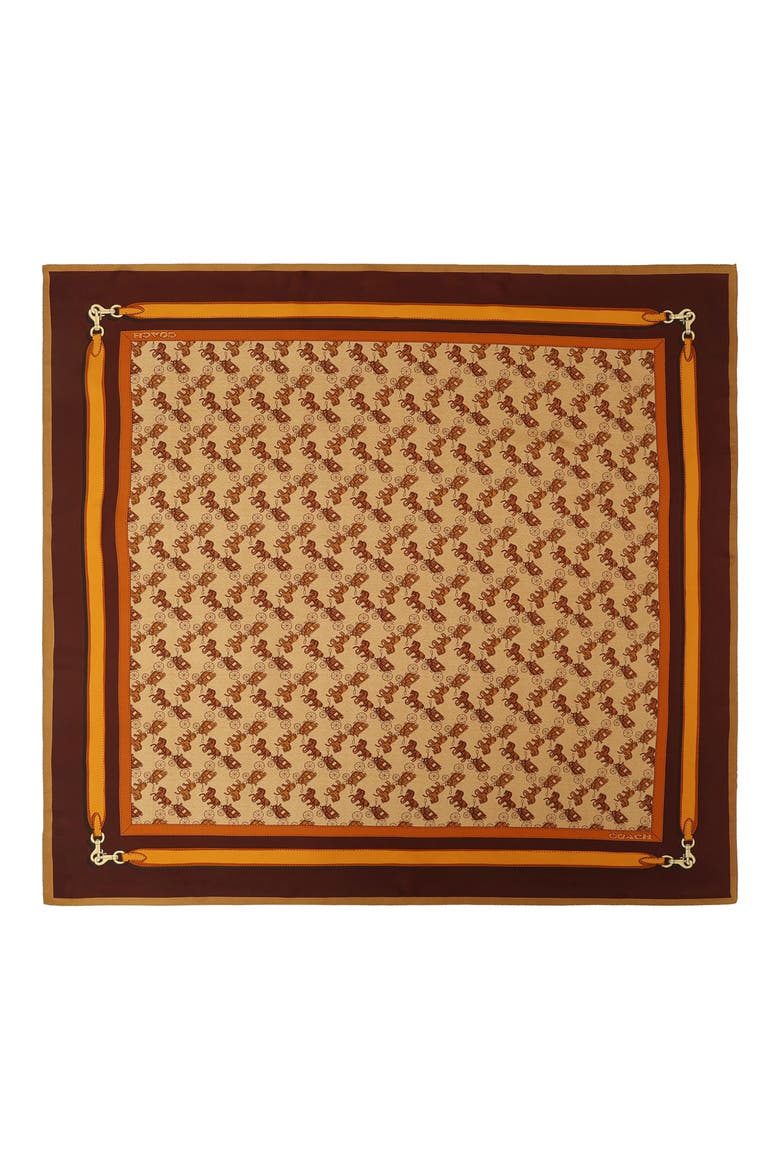
The silk scarf is not an accessory. It is a declaration. Eugénie Trochu, with her tenure at *Vogue France* and her Substack documenting a no-nonsense approach to style, understands this better than most. Her piece on ten ways to style the classic silk scarf arrives not as a trend report, but as a masterclass in intention. We are told there are ten ways to wear it, and that is the point. It is not about novelty; it is about range. This is the same editorial instinct that drives our coverage of Elevated Makeup: A Single Addition for All-Day Wear, where a single product does the heavy lifting, or the return of Fringe Returns: Elevating Fall Hair with Five Modern Styles, proving that a singular focus yields the most polished result.
We appreciate the restraint in Trochu's premise. She does not promise a revolution. She promises options. In a culture obsessed with the new, there is a quiet power in revisiting a staple and asking it to perform beyond its initial purpose. The silk scarf is the ultimate chameleon: a neckline, a headwrap, a bag accent, a belt. It is the kind of versatility that separates a wardrobe from a collection of clothes. This is not about throwing something on; it is about the deliberate choice to elevate the everyday. For our reader, the one who scans Autumn's Uptown Edit: New York's Upper East Side Style for cues on polish, this styling guide is a direct response to the question of how to look intentional without looking overdone.
What we find most compelling is the underlying philosophy: the scarf is a tool for memory and projection. Trochu's upcoming book frames fashion as a space for reinvention, and this styling guide is a practical extension of that idea. You are not just tying a piece of silk; you are curating a persona. One knot says Parisian insouciance. Another says boardroom authority. The fabric holds the history; your styling writes the next chapter. This is the takeaway we would offer to any reader asking for advice: stop treating the scarf as an afterthought. Treat it as the anchor of your outfit. Let the structure of the blazer or the drape of a dress be secondary to the single, deliberate accent.
The specific consequence here is simple. The next time you reach for a plain outfit, you will know there is a better move. The open question is whether you will commit to the discipline it takes to execute it well. Style is not about having more; it is about using what you have with conviction. The silk scarf is the proof. Wear it like you mean it, and the world will take note.