I live in London and spend most of my summers in the city. In years gone by, that meant I could get away with wearing lightweight knits and my favourite boots for the majority of the year, but this hotter summer has called for far fewer layers, meaning many of my go-to closed-toe shoes have been relegated to the back of my wardrobe. Still, often needing to traverse the—let's be honest, less-than-pristine—city streets, I can't help but cringe at the thought of wandering around with my feet exposed in barely-there flip-flops. As such, I've been on the lookout for airy, lightweight shoes that offer a little more coverage. Courtesy of one of New York's chicest, I think I've finally found the answer.
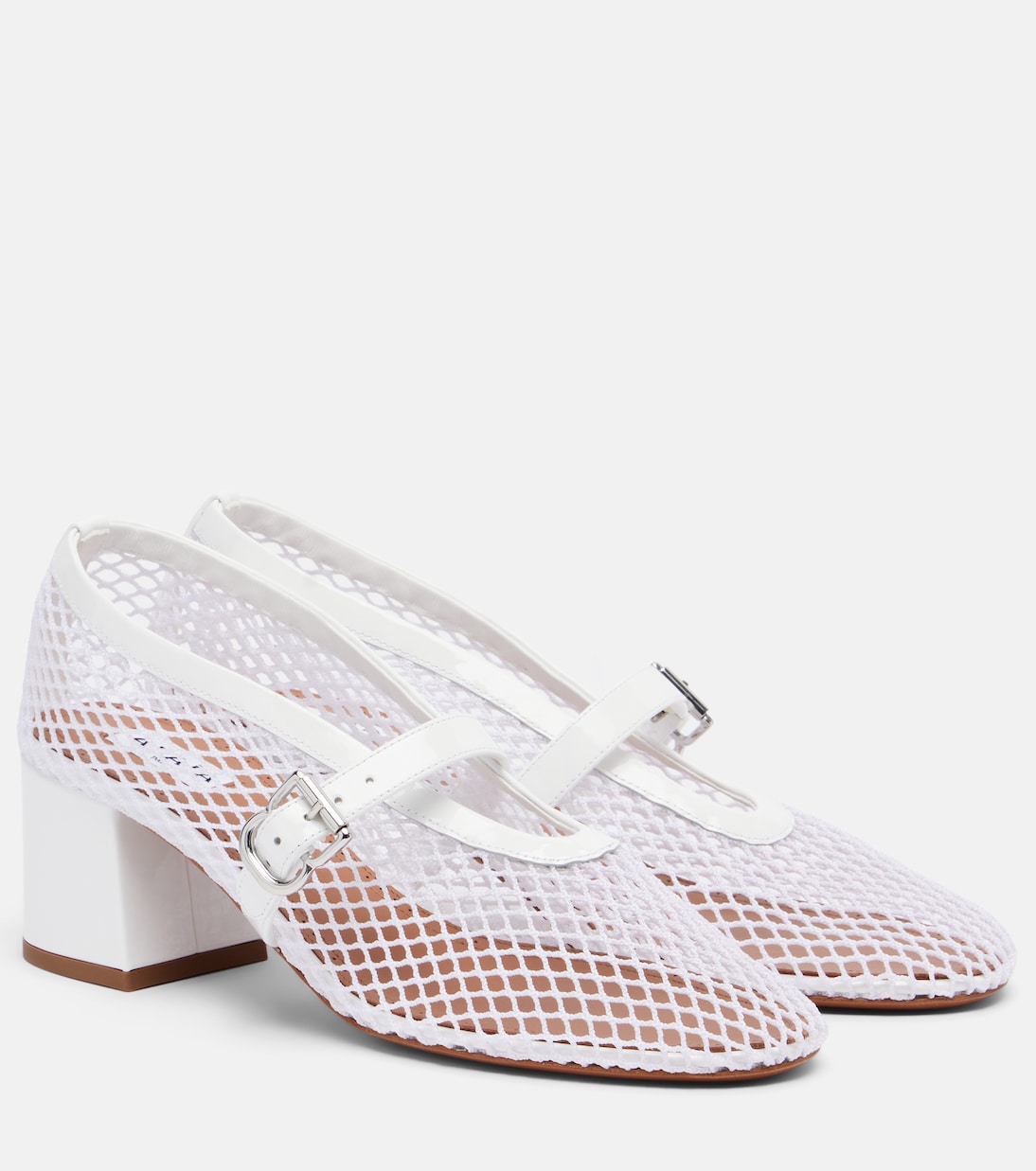
Stepping out during a string of press appearances ahead of The Odyssey's release this week, Anne Hathaway wore a low-key look that hit every note for summer in the city styling. Whilst her chartreuse floral trousers and tonal maxi cardigan initially caught my eye, it was her bright white mesh heeled ballet pumps that really had me reaching for my keyboard.
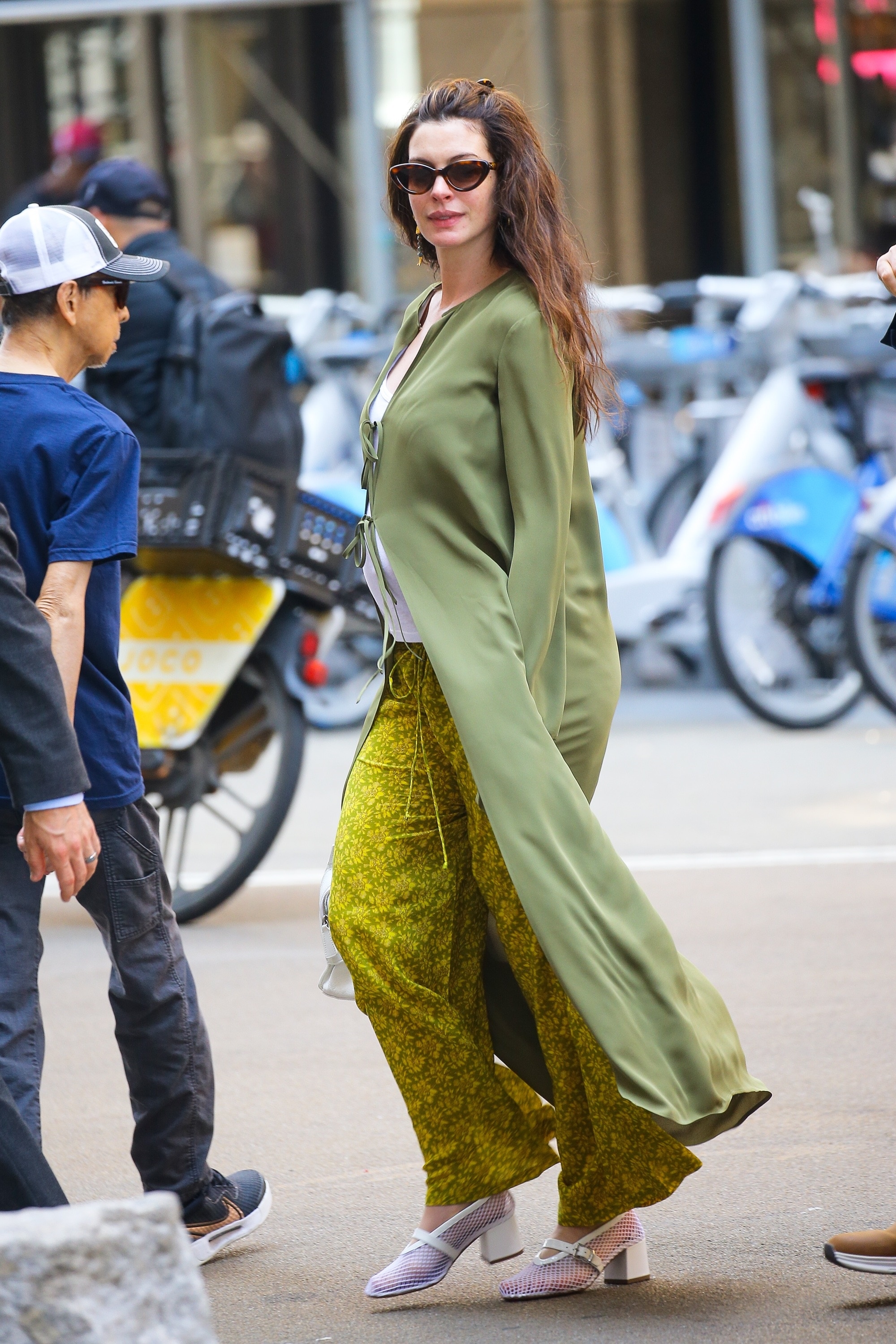
Tapping into several of this season's biggest shoe trends at once, Anne's pair builds on the mesh ballet flat trend that's been circulating for the past few summers, offering the same breathable finish but with a subtle heel that lends the silhouette a more polished feel. The mesh fabrication keeps them light enough for hot days, whilst providing considerably more coverage than a pair of flip-flops—aka, the right kind of summer shoe for navigating long city days.
If flip-flops aren't quite resonating with you right now, might I suggest taking inspiration from Anne instead? Read on to shop my edit of the best mesh heeled ballet pumps to buy now.
Shop Mesh Heeled Ballet Pumps:
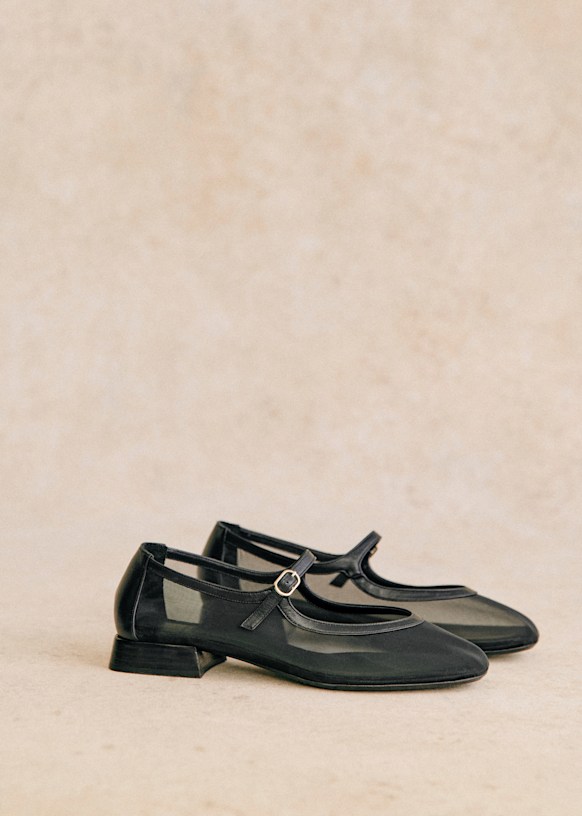
These also come in cream.
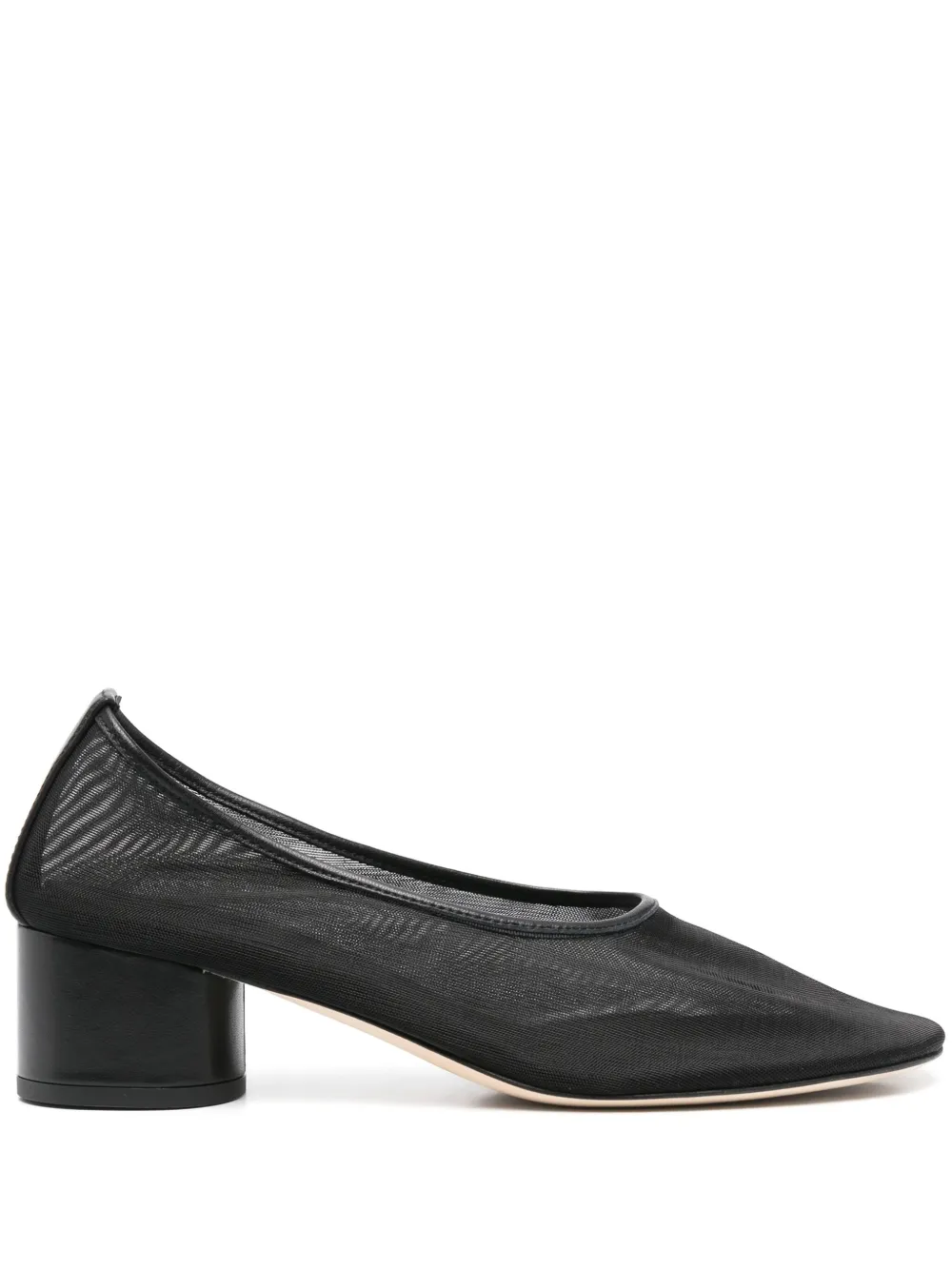
Dear Frances' pumps are a fashion person's favourites.
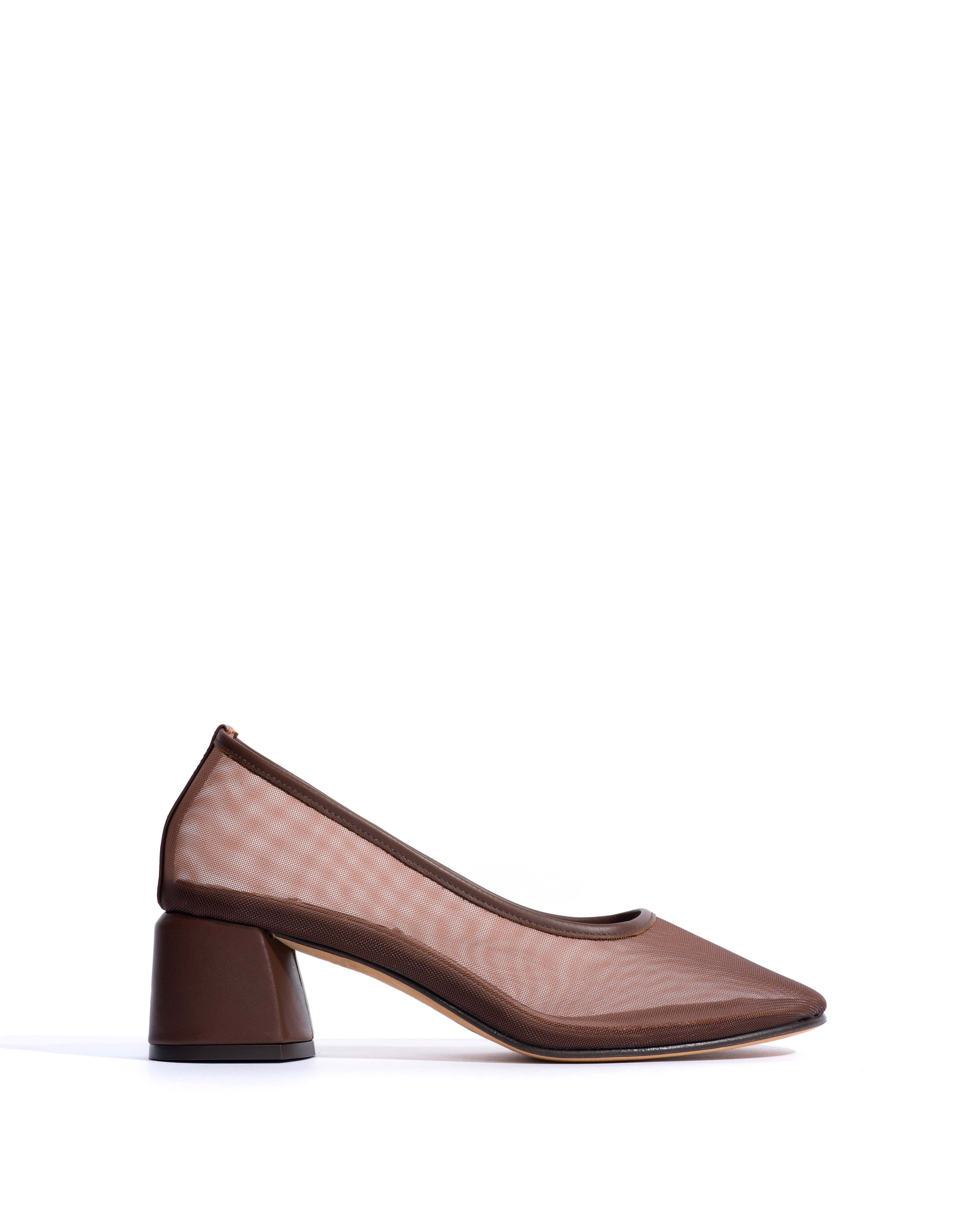
Add a subtle pop of colour to your summer rotation.
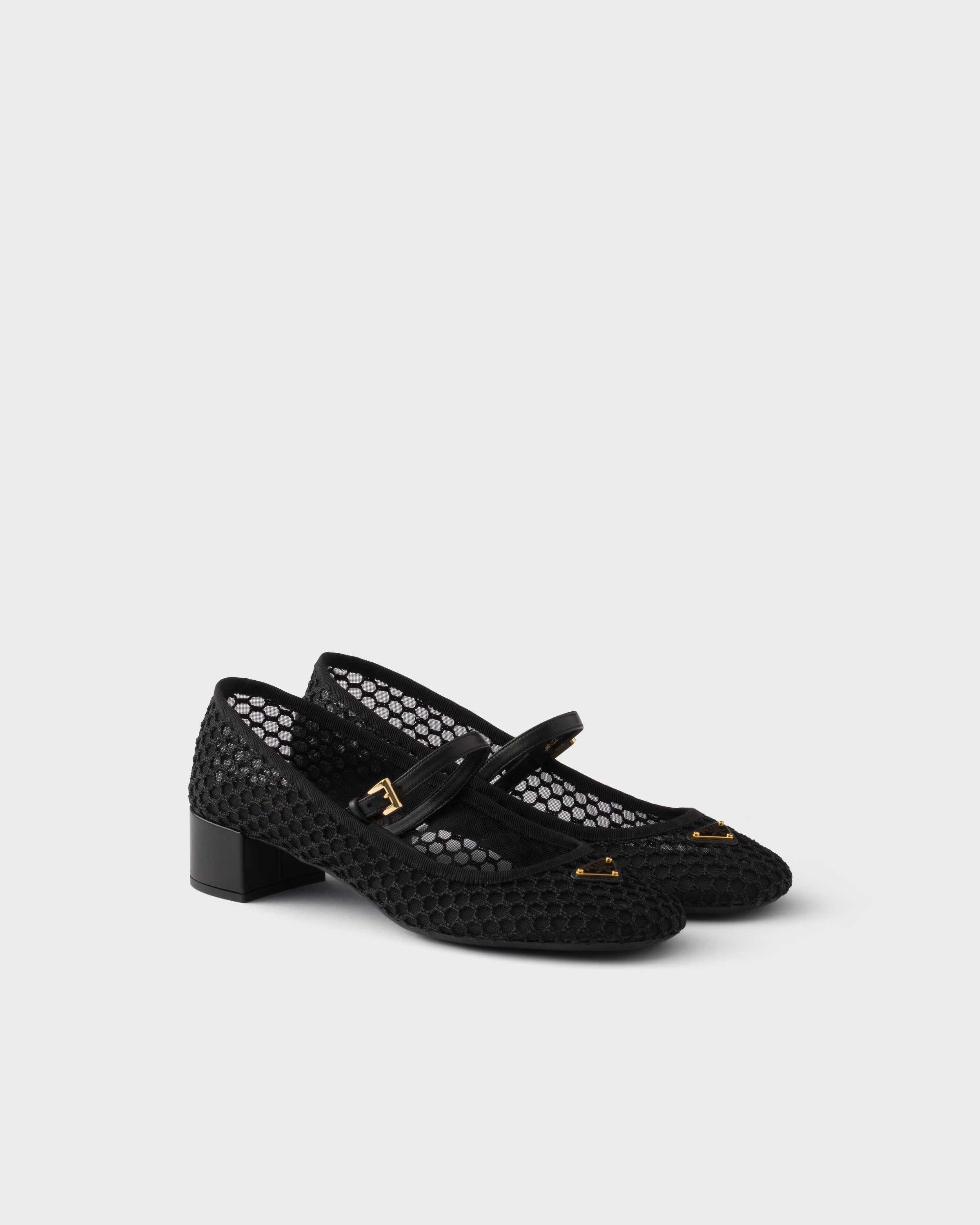
Style these with jeans or wear them with floral trousers to get Anne's look.
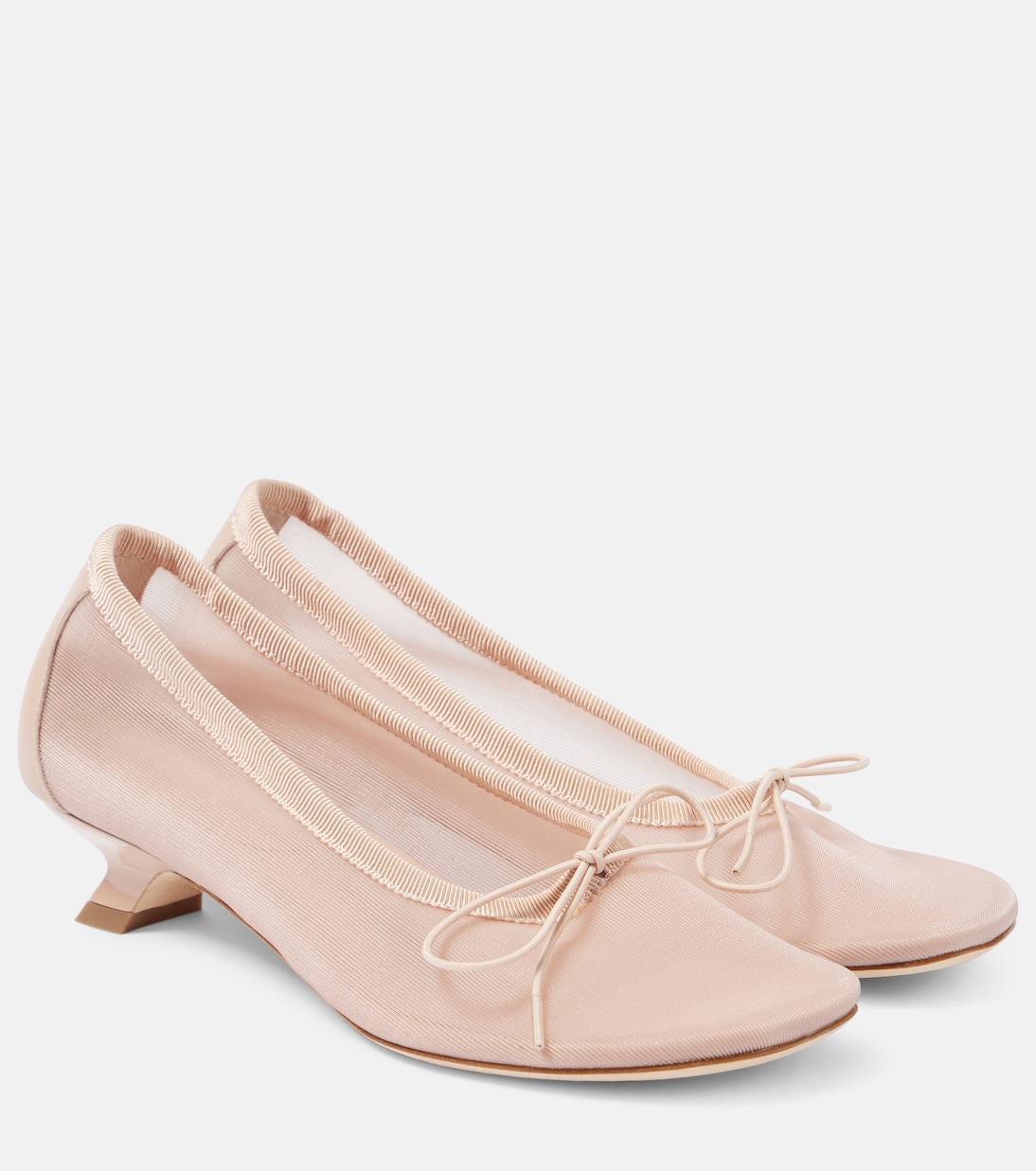
Shop these whilst they're on sale.
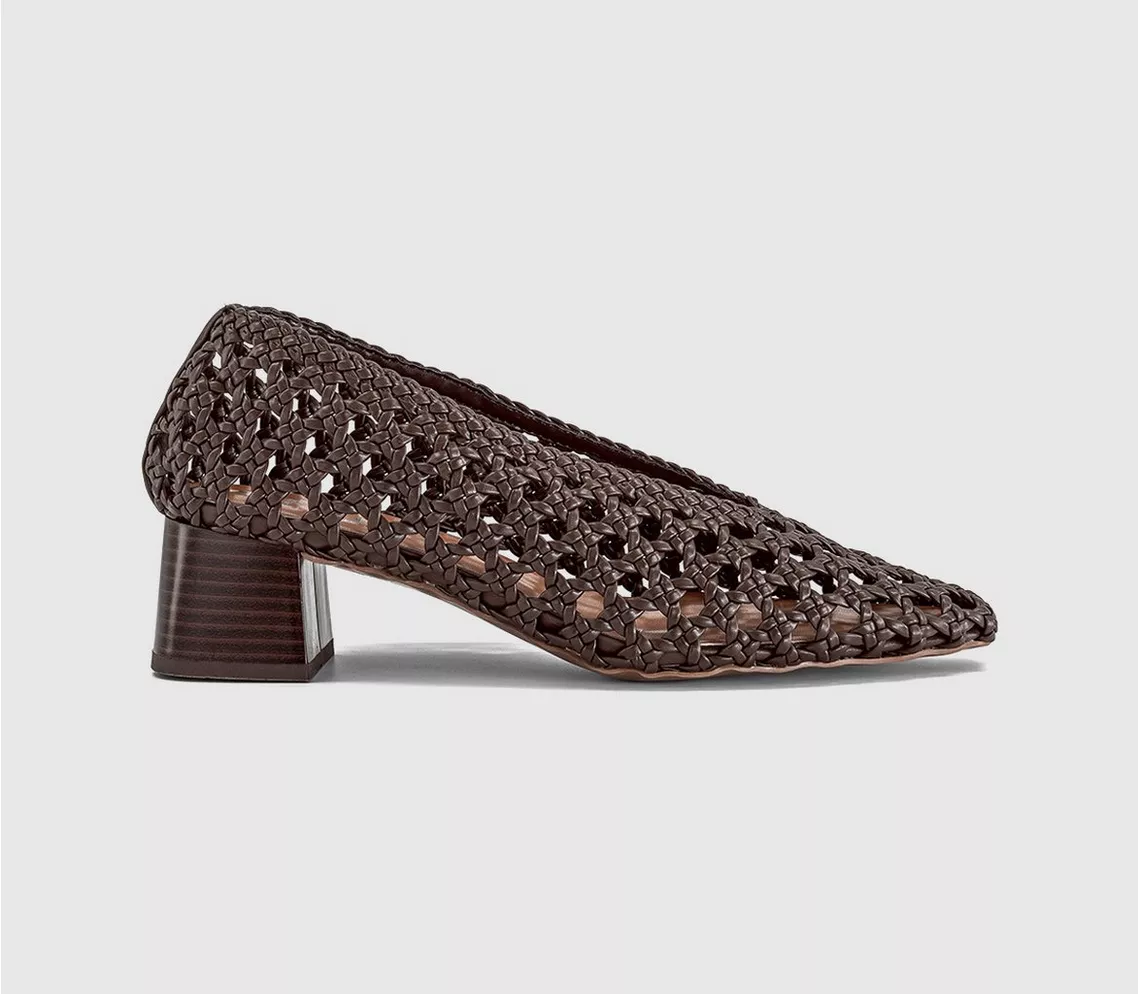
The chocolate brown colour trend isn't showing any signs of slowing down.