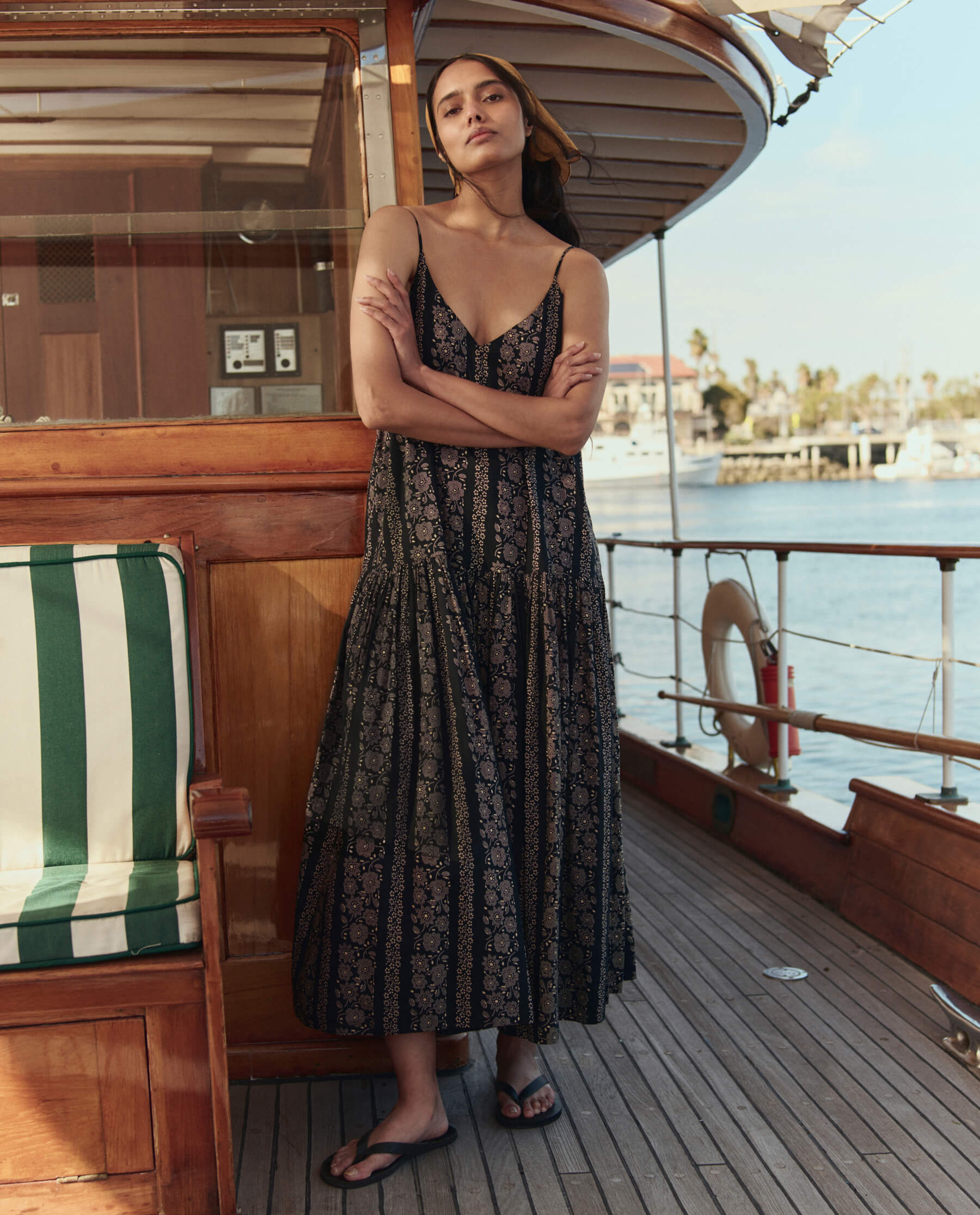
The cyclical nature of fashion is undeniable, yet the current resurgence of “pretty” dresses – as highlighted by Tessa Faye O'Connell, a voice of authority within the industry, currently serving as Global PR Director at Coach – signals more than just a fleeting trend. It reflects a broader shift away from the aggressively maximalist styles that dominated recent seasons and towards a refined, almost nostalgic appreciation for classic silhouettes and considered detailing. O'Connell’s assessment, echoing sentiments found in articles like I'm a Fashion Editor With a Very NYC Wardrobe—Every Chic and Useful Thing I'm Buying During Amazon Prime Day, demonstrates that even within the fast-paced environment of New York City fashion, there's a craving for pieces that transcend transient trends. The emphasis on “pretty” isn't about frivolousness; it’s about a return to elegance, a desire for garments that evoke a sense of quiet confidence and timeless appeal. This isn’t a rejection of individuality, but a re-evaluation of how that individuality is expressed – through considered details, impeccable tailoring, and a curated selection of pieces rather than overwhelming statement pieces.
The key to understanding this shift lies in the broader cultural context. After years of embracing athleisure and streetwear influences, and a period of pandemic-induced comfort dressing, consumers are increasingly seeking a return to formality and sophistication. This doesn’t necessitate a complete overhaul of wardrobes; rather, it suggests a preference for pieces that can be easily integrated into existing styles, offering versatility and longevity. The mention of stunning prints reinforces this idea – these aren’t chaotic, all-over prints, but rather carefully chosen patterns that enhance the overall aesthetic of the dress, adding a touch of personality without overwhelming the silhouette. Articles like 39 Pretty Summer Dresses and Sandals Under $250 Are Right This Way also highlight the growing consumer appetite for attainable luxury – beautiful, well-made pieces that don't require a significant investment. This accessibility democratizes the trend, making it more inclusive and relatable to a wider audience.
Furthermore, the selection of silhouettes—likely referencing classic shapes like midi dresses, slip dresses, and A-line styles—underscores the enduring appeal of timeless design. These are dresses that have proven their staying power across decades, consistently returning to favor as style evolves. The "beyond stylish" descriptor suggests that these aren't mere imitations of past trends; they represent a modern interpretation, infused with contemporary details and updated fabrics. The influence of a professional like O’Connell, with her deep understanding of media and public relations within the fashion houses, lends considerable weight to the observation. Her perspective, grounded in industry experience, provides valuable insight into the direction of current trends and the forces shaping consumer preferences. This isn't a whimsical prediction, but a reasoned assessment based on observed shifts in the market.
Ultimately, the rise of the "pretty" dress signifies a broader reset in the fashion landscape. It’s a move away from fleeting trends and towards enduring style, a celebration of elegance and refinement, and a reflection of a consumer base seeking both quality and accessibility. The question now becomes: how will this renewed appreciation for classic silhouettes influence future collections? Will designers continue to prioritize timelessness over novelty, or will the pendulum swing back towards more experimental styles? The response will be a crucial indicator of the long-term direction of the industry and whether this moment marks a genuine shift toward a more enduring and sophisticated aesthetic.