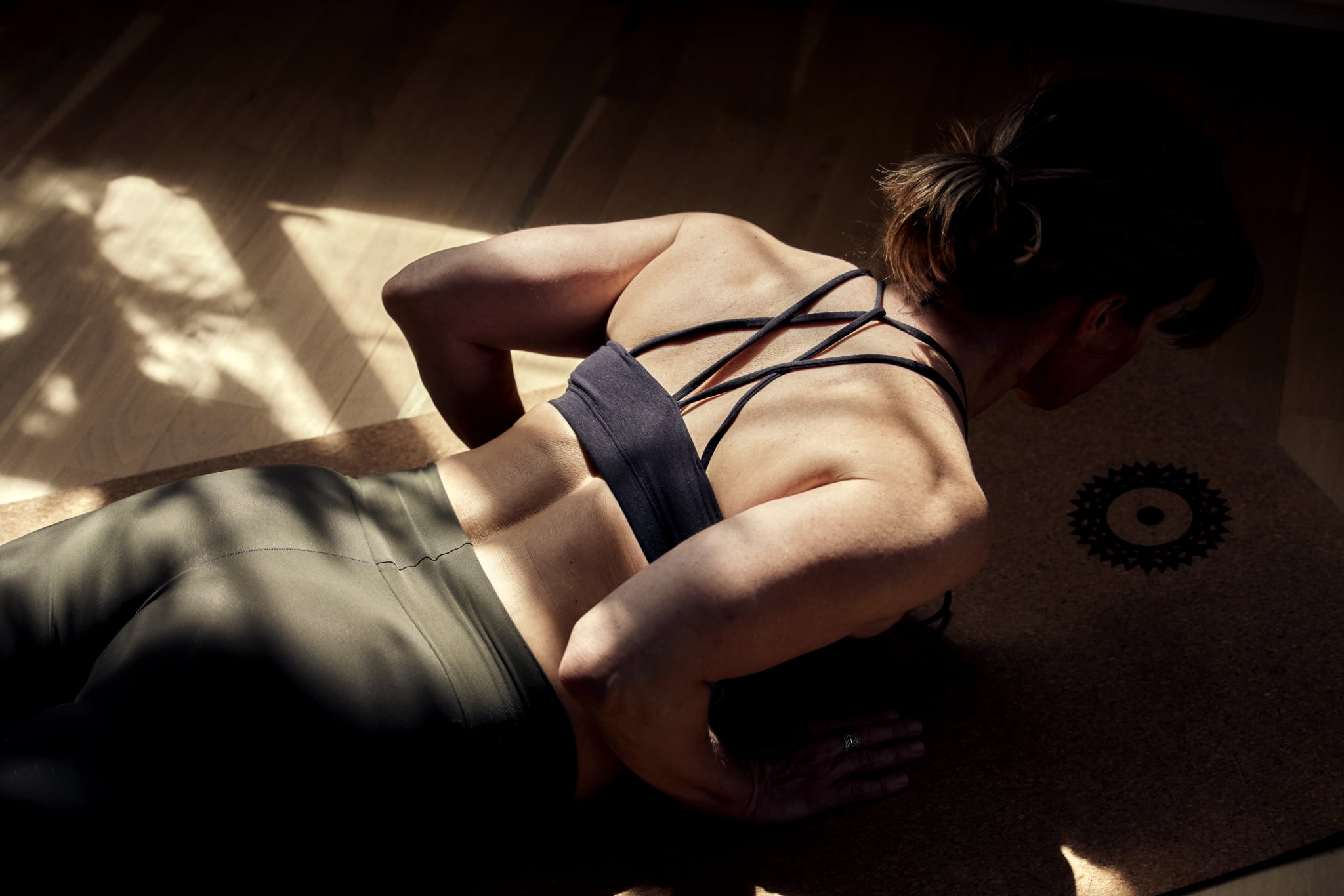
The concept of "exercise snacking" has emerged as a refreshing approach to fitness, especially for those navigating the often-overwhelming demands of modern life. As highlighted in a recent article, this trend is particularly resonant for individuals like the author, who describe their bodies as feeling increasingly "elderly." With the challenges of parenting and the pressures of maintaining a fitness regimen, exercise snacking presents a viable alternative to traditional workout routines. By incorporating short bursts of activity throughout the day, it offers a pathway to enhance strength and mobility without the time constraints of a full workout. This shift in perspective aligns well with the ethos of curating a lifestyle that prioritizes wellness without sacrificing other commitments.
The candid reflection on a personal fitness journey underscores a broader societal challenge faced by many millennials. As they juggle responsibilities, the need for effective yet manageable exercise solutions becomes paramount. This trend dovetails with other lifestyle shifts, such as the rising popularity of pursuits like line dancing, which marry fitness with social interaction—an approach that is both enjoyable and effective. A Case For Line Dancing as a Cardio Workout captures this sentiment perfectly, illustrating how movement can be seamlessly integrated into our lives, making fitness feel less like a chore and more like a celebration.
Moreover, the emphasis on "snacking" as a form of exercise aligns with the growing recognition that physical activity should be accessible and tailored to individual lifestyles. The notion of engaging in brief, intentional workouts throughout the day allows for a more sustainable approach to health—one that accommodates busy schedules while still fostering an active lifestyle. The appeal of exercise snacking also lies in its potential to make fitness feel less daunting, encouraging individuals to start small and gradually build their strength and endurance. This concept reflects a shift towards a more holistic view of wellness, one that encompasses not just physical fitness but also mental and emotional well-being.
As we consider the implications of this trend on our personal well-being, it raises a pertinent question: How do we redefine our relationship with exercise to make it a more integrated part of our daily lives? The idea of viewing movement as a series of small, manageable moments rather than a monumental task could change how we approach our physical health. This perspective not only empowers individuals to take charge of their fitness journeys but also fosters a sense of community and connection in shared experiences, much like what is celebrated in Nothing Too High: Maude Apatow on Blush Sandwiching, Euphoria Looks, and Her Mom's Best Beauty Tip.
Looking ahead, the success of exercise snacking may lie in its ability to adapt and evolve alongside our lifestyles. As we continue to explore new forms of movement that resonate with our personal tastes and commitments, the challenge will be to maintain the balance between aspiration and attainability. In a world where wellness trends come and go, will exercise snacking stand the test of time as an effective solution for those seeking to enhance their health amidst life's complexities? The answer may very well shape the future of fitness.