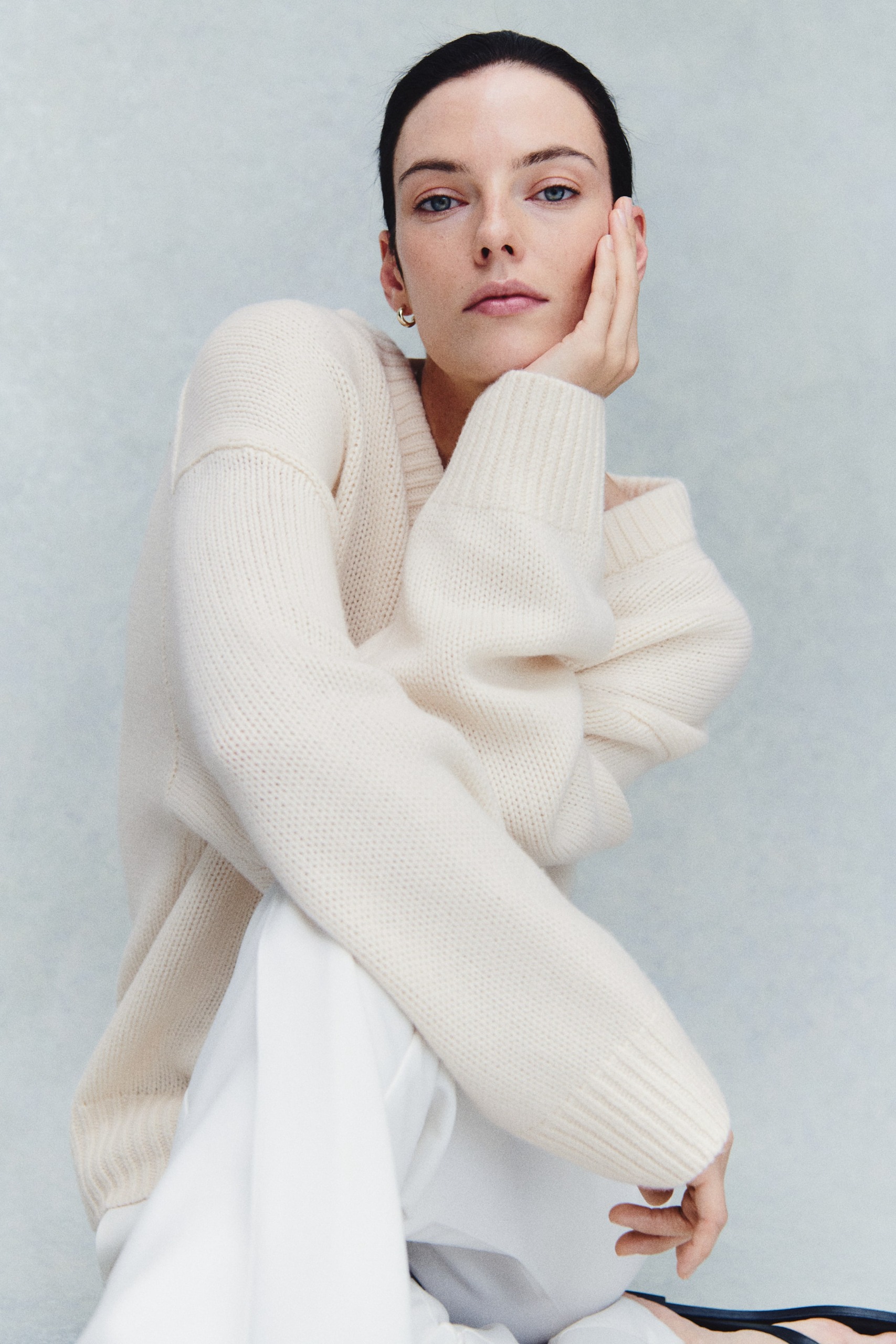
Even as a shopping editor, I take a surprising amount of fashion inspiration from my most stylish friends. Just this weekend, I found myself admiring a friend’s incredibly elegant V-neck wool jumper. I was already bracing myself for the three-figure price tag when I asked where it was from, only for her to reply, “It’s H&M”—with a hint of surprise in her own voice, too. Naturally, I headed straight to H&M to investigate.
Of course, I’ve known about H&M’s premium offering for years, but even I hadn’t realised quite how good—or extensive—its knitwear collection had become. There are sumptuous wool jumpers with contemporary V-neck silhouettes, beautifully brushed cashmere cardigans that add just the right amount of texture to an autumn outfit, and oversized wool-and-cashmere knits finished with cosy funnel necks for when the temperatures really start to drop.
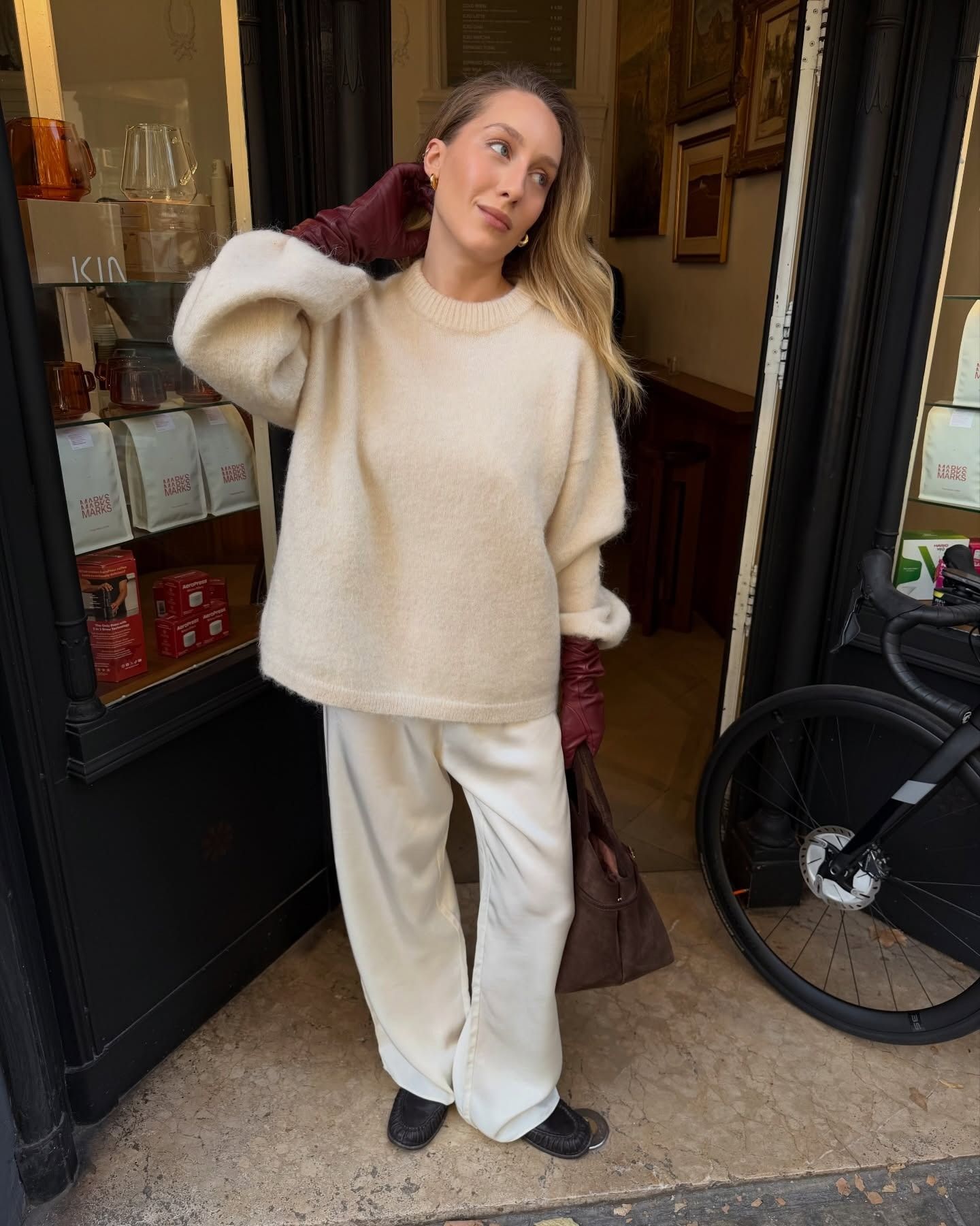
The common denominator? They all have that considered, expensive-looking quality I usually associate with knitwear at a much higher price point. And whilst my friend’s jumper may have been the piece that sent me down the rabbit hole, I emerged with a considerably longer wish list.
Keep scrolling to shop the chicest H&M knits I’d recommend for autumn.
Shop H&M Expensive-Looking Knitwear
The elegant v-neck jumper that started it all, this is already selling fast.
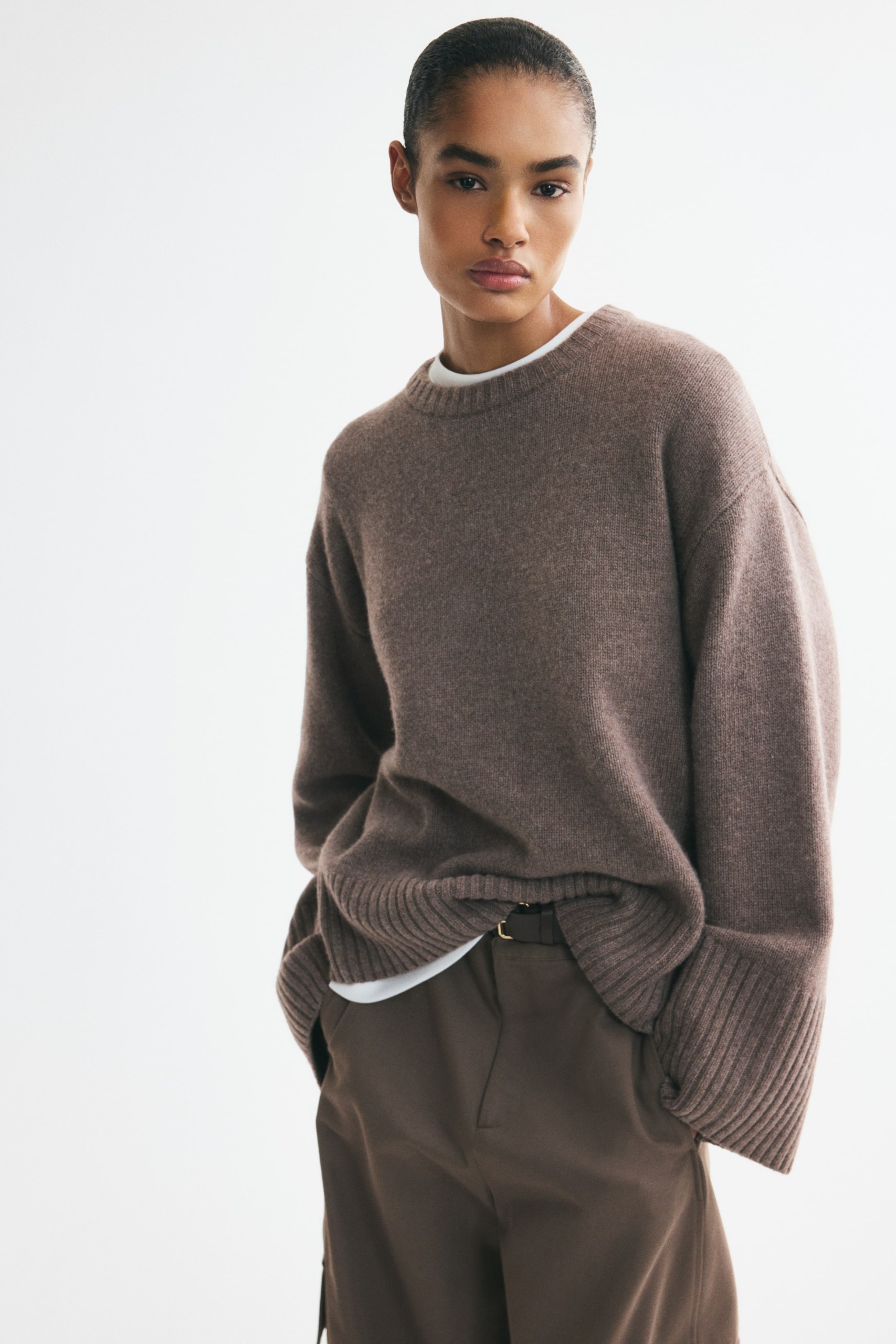
The best-selling cashmere jumper is back for another season.
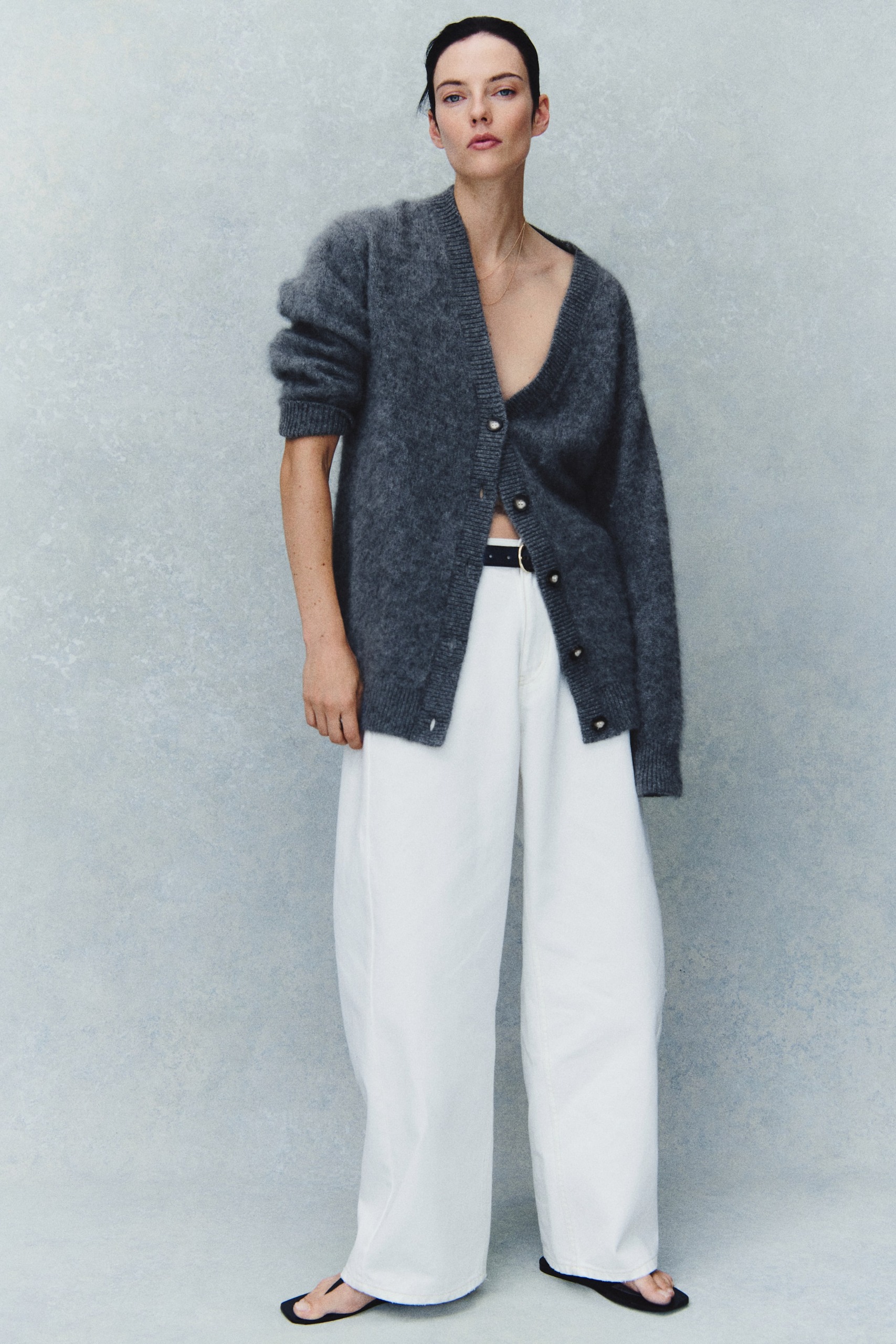
Just add denim, loafers and a slouchy tote for the perfect autumn look.
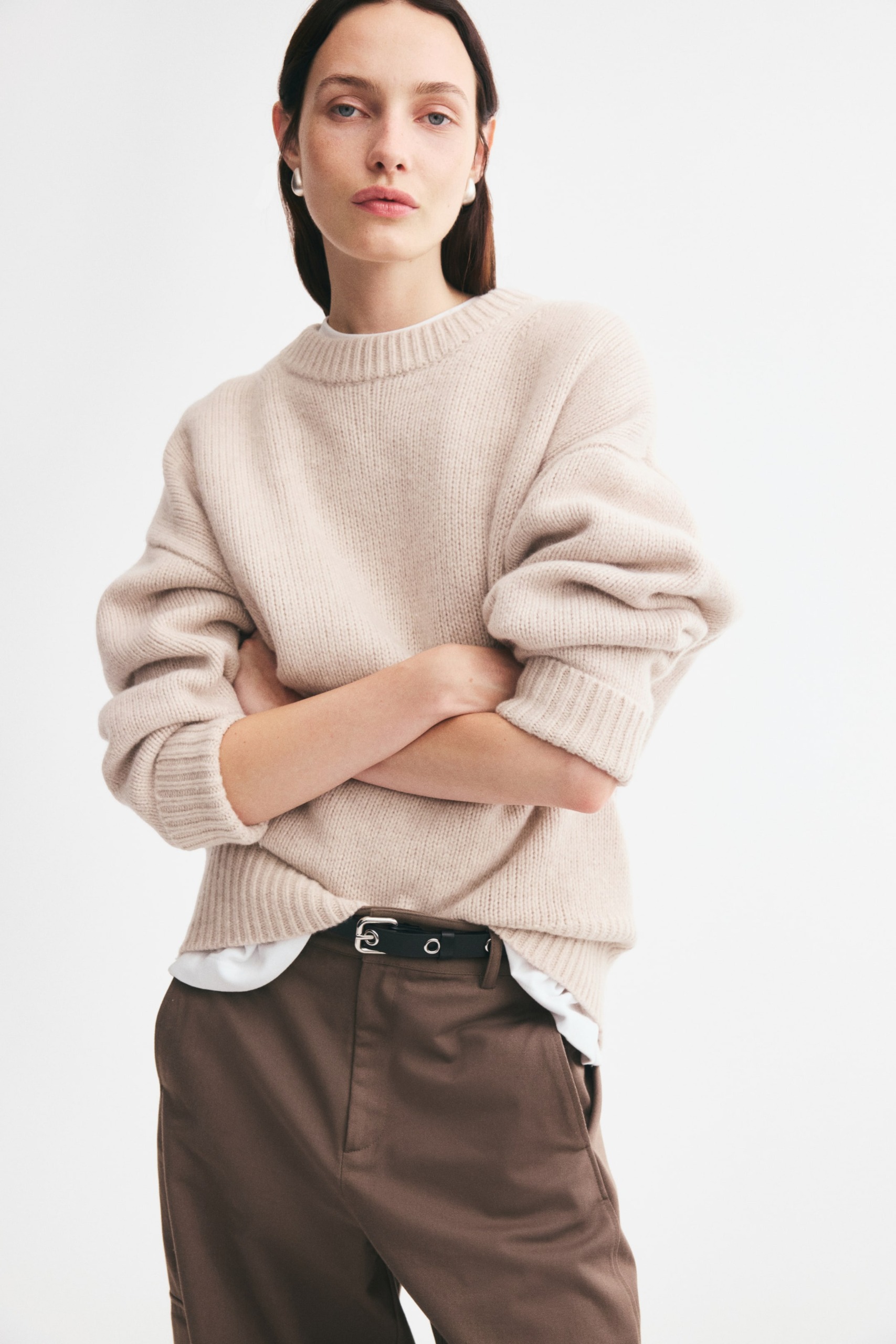
A relaxed, perfectly oversized knit you'll cherish for years.
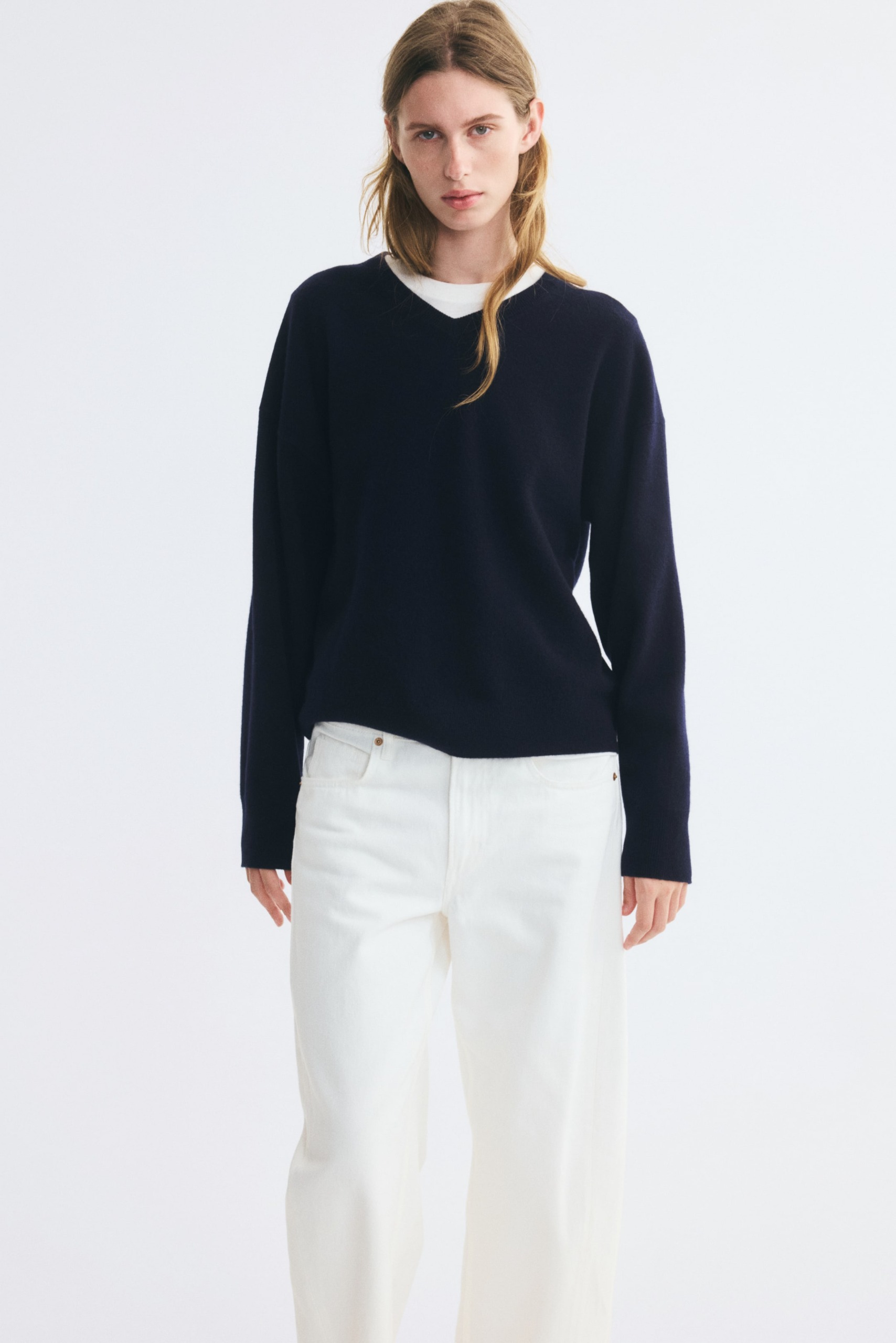
I'd style this v-neck with perfectly tailored trousers and a white tee for a very The Row-coded outfit.
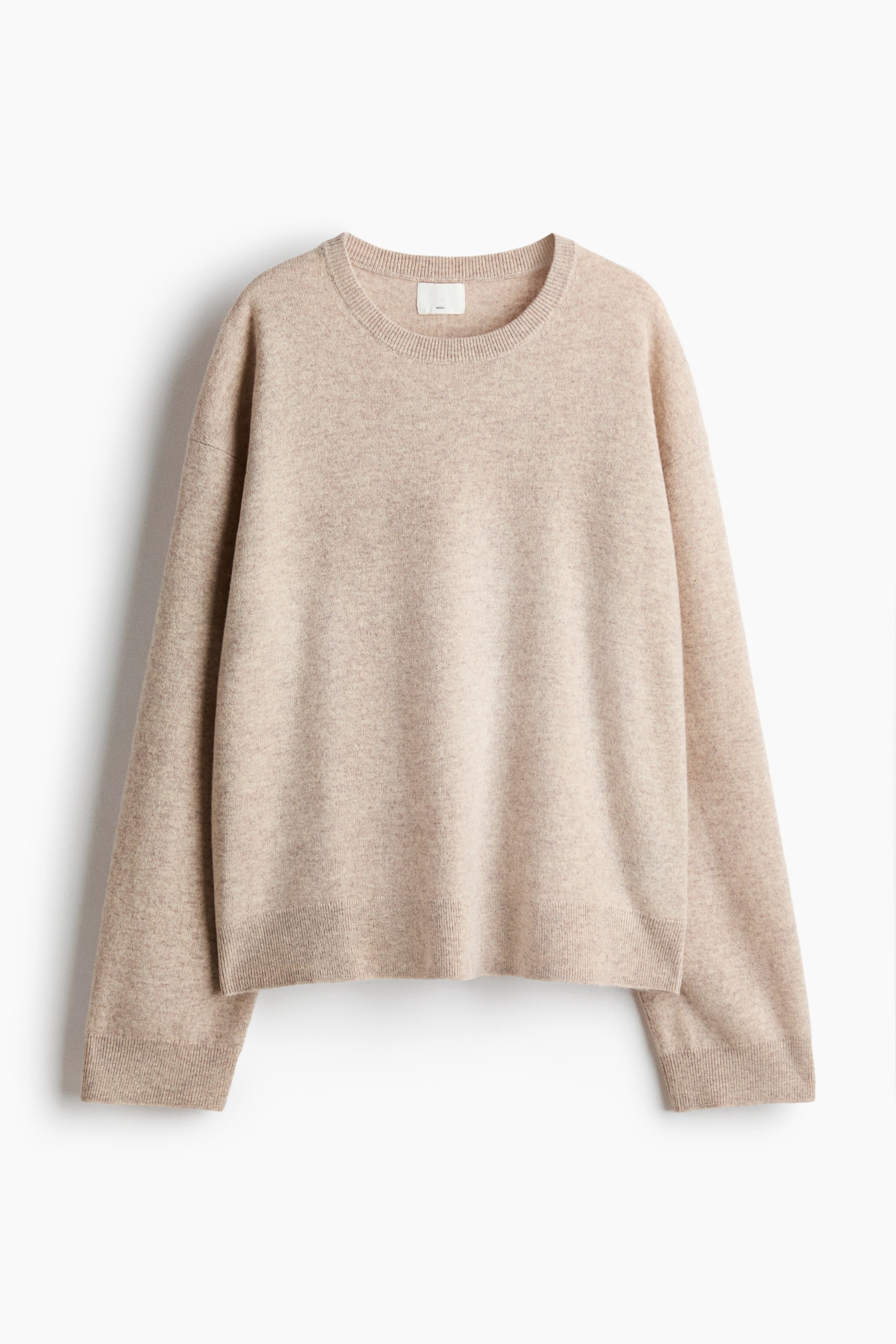
Proof that simplicity is sometimes key.
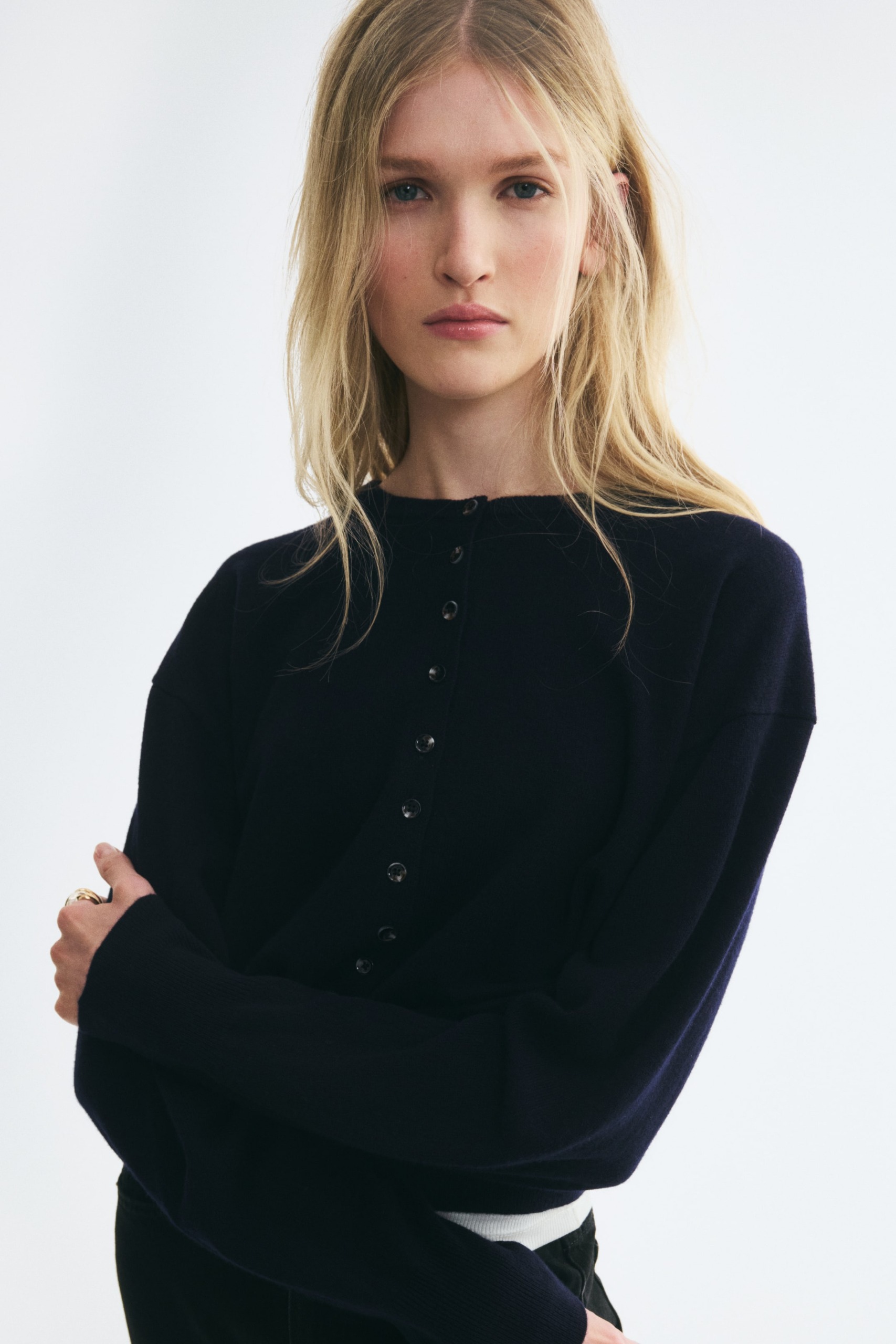
A wool cardigan will quickly become the most hard-working item in your autumn/winter wardrobe.
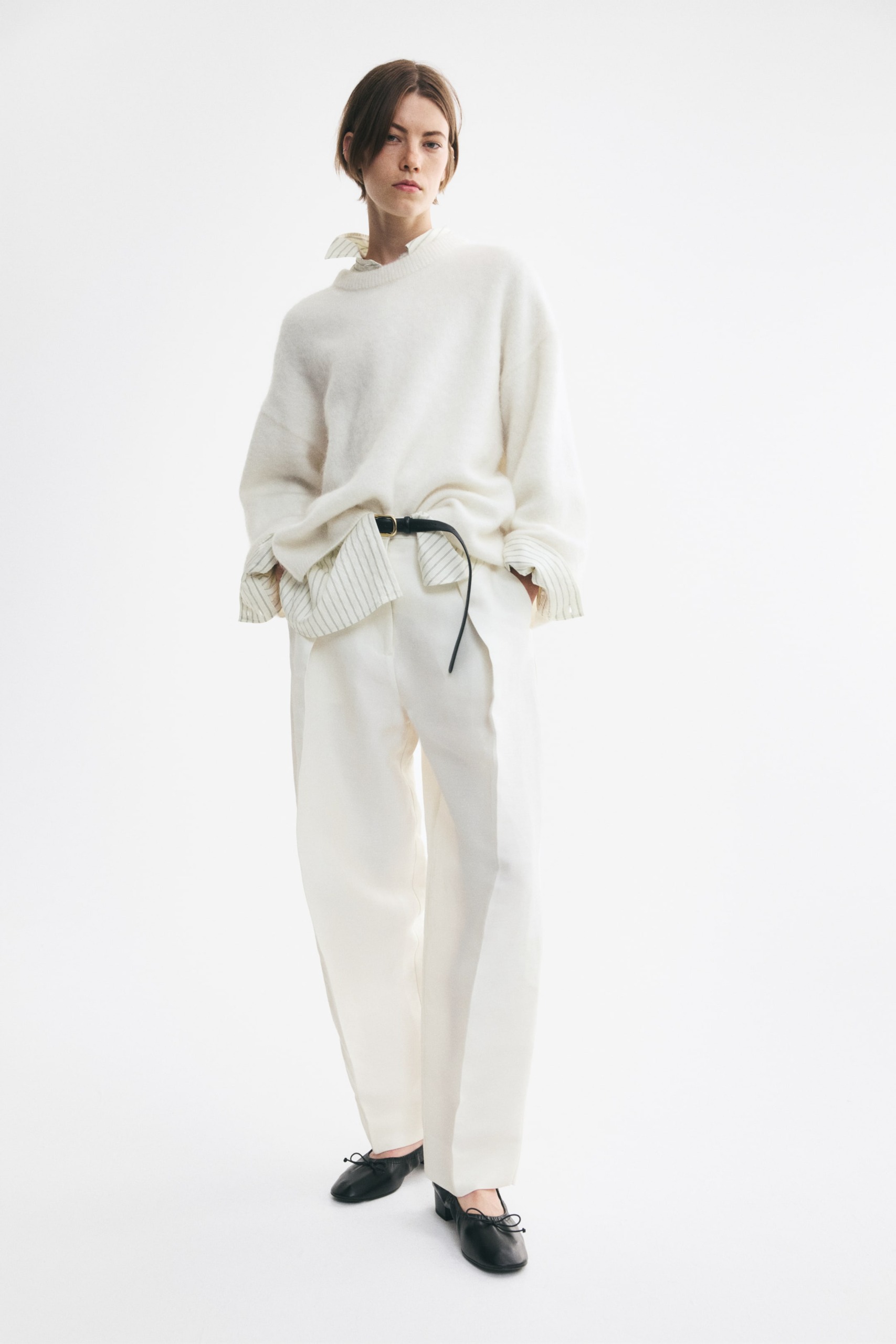
Last year's best-selling mohair jumper in a versatile ecru hue.
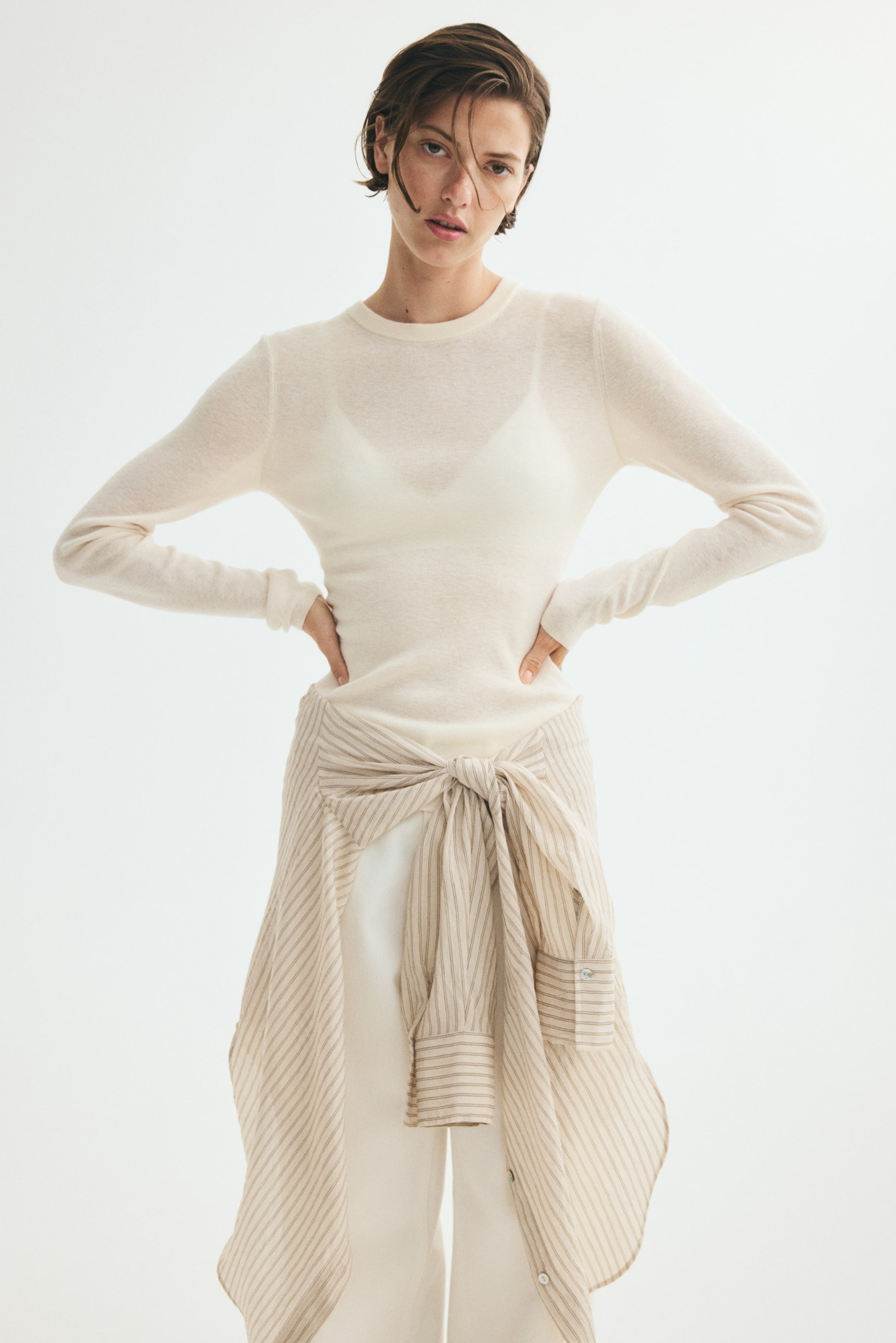
The perfect autumn layer.
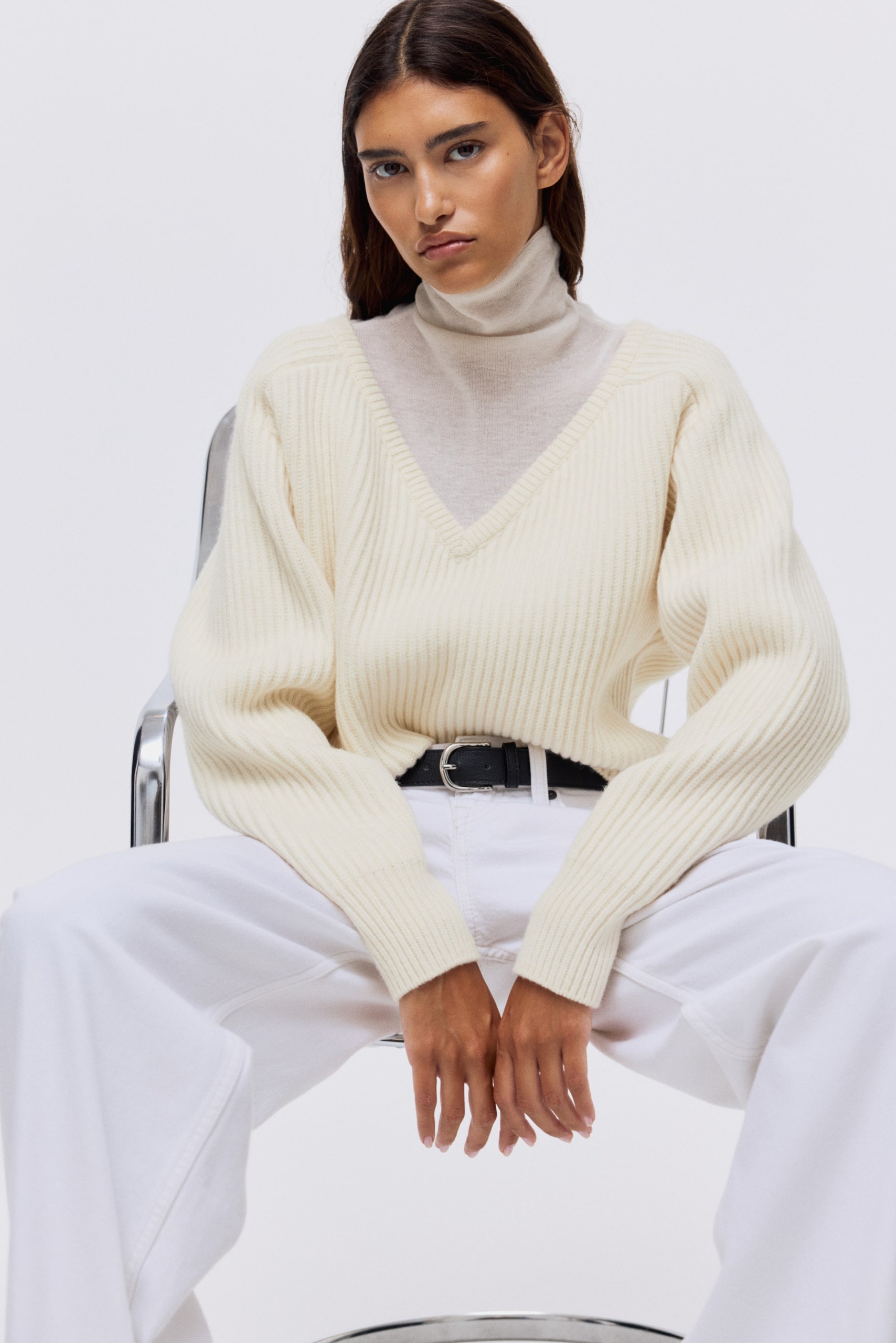
The ribbed detail adds the perfect point of interest to an otherwise simple outfit.
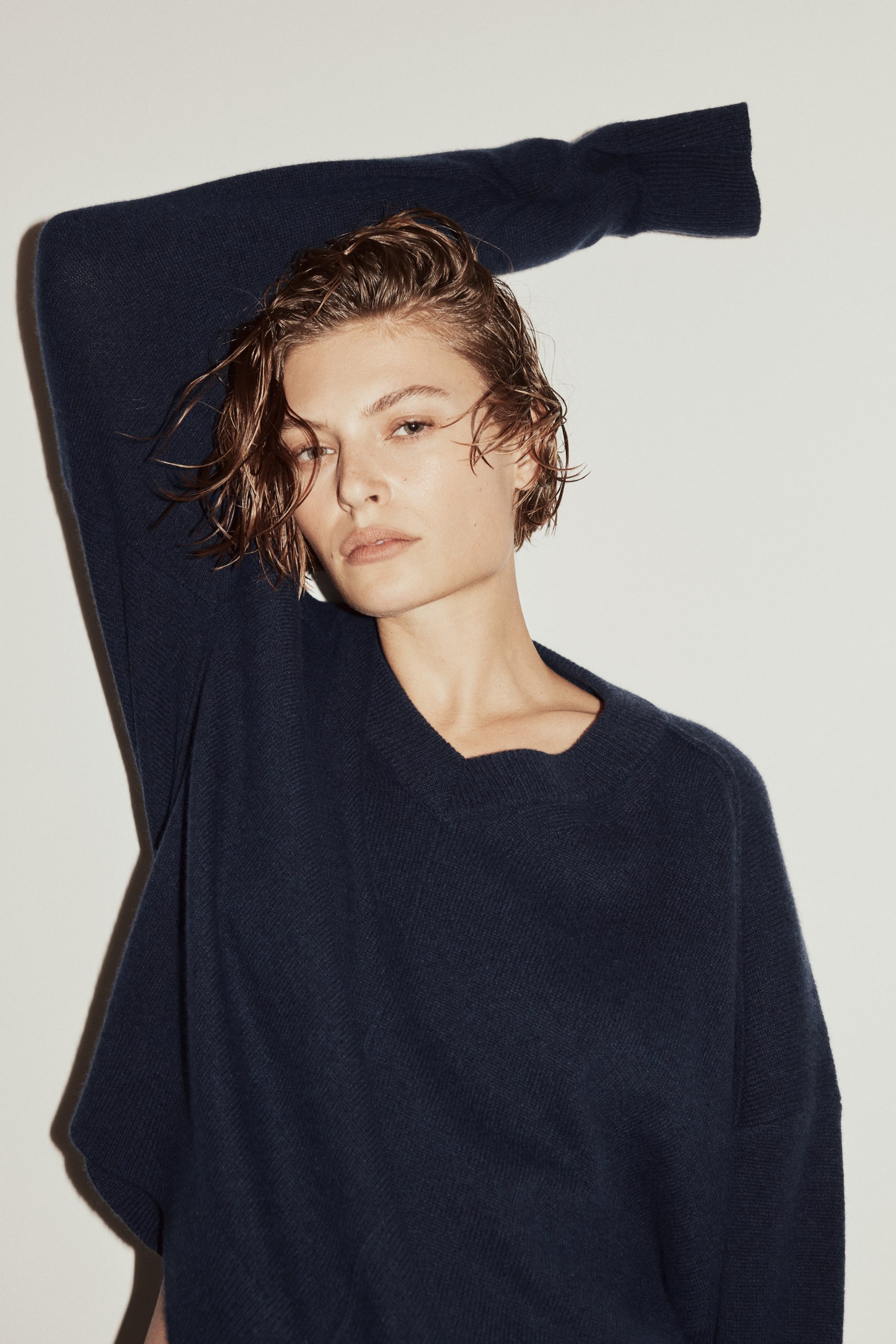
Navy is so sleek for autumn.
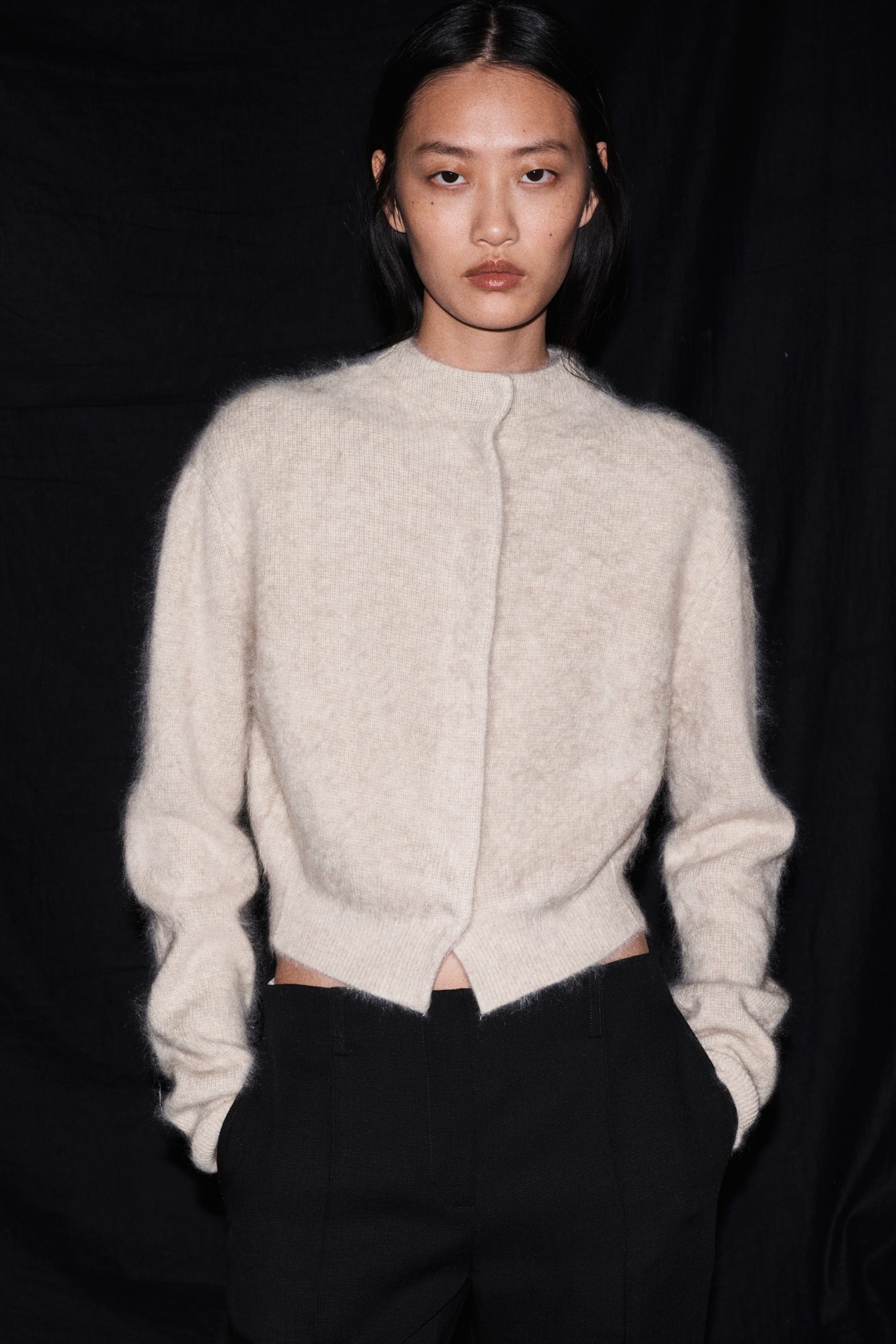
This looks 3x the price.
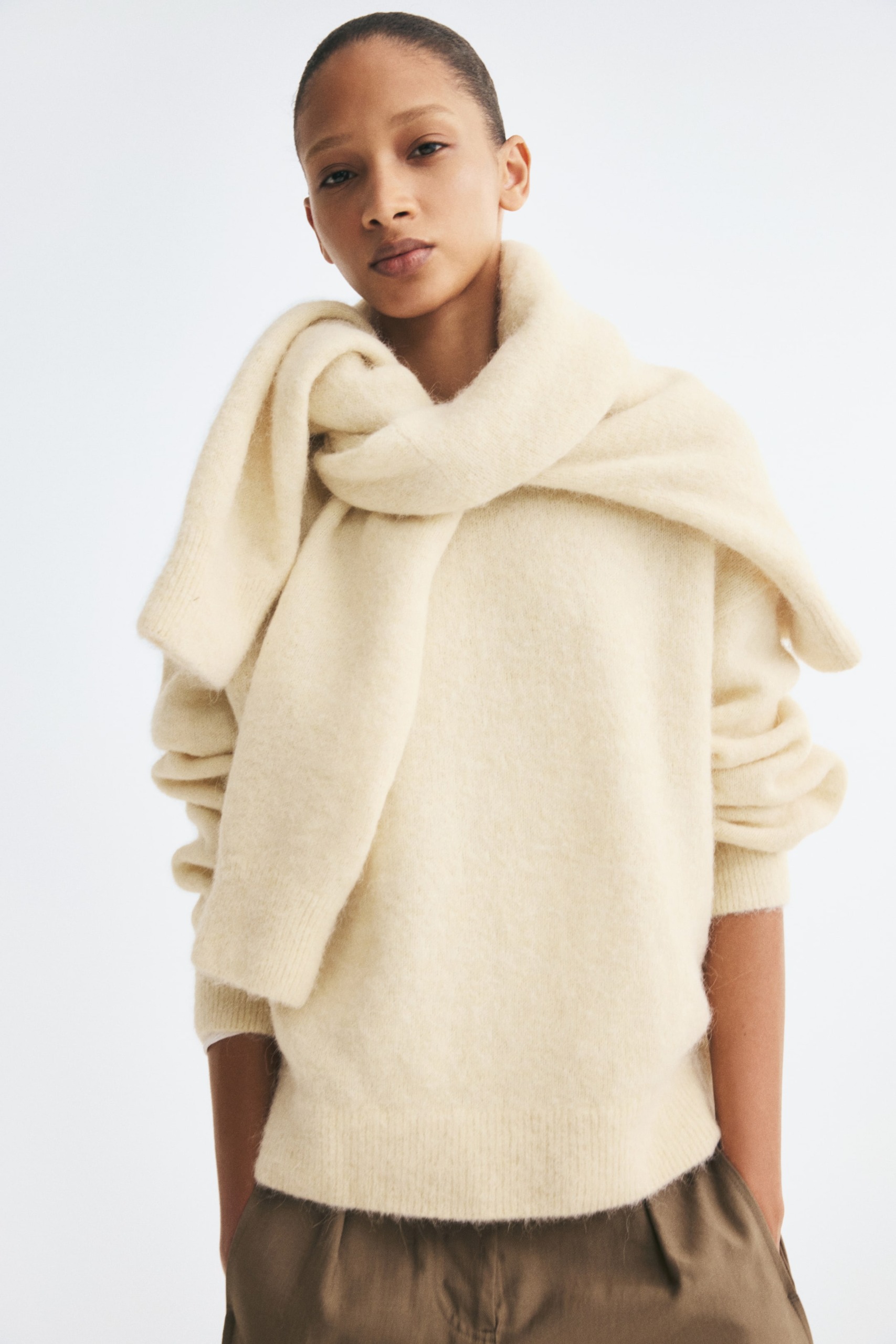
Who says butter yellow is reserved for spring?
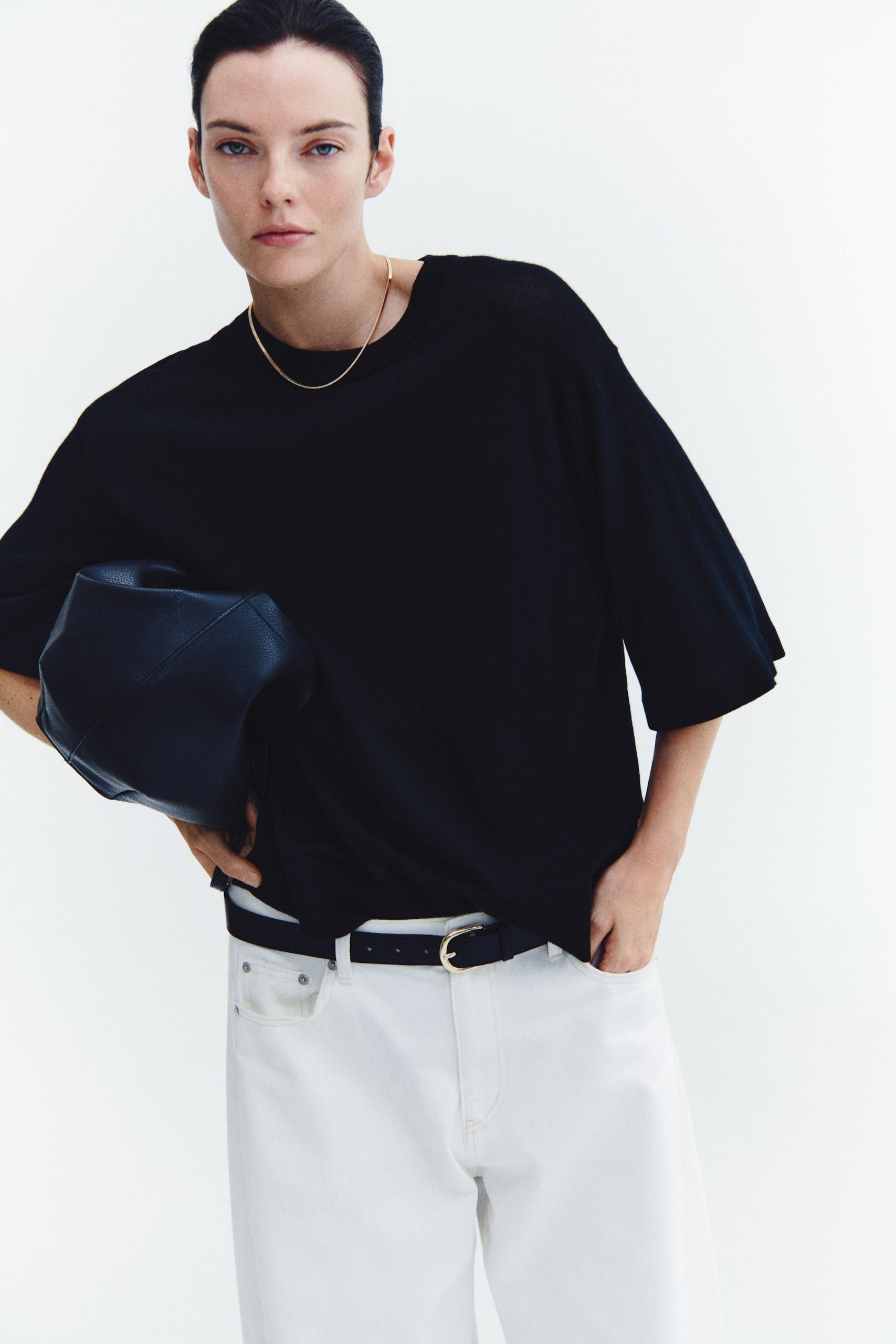
A great transitional piece you can wear solo with jeans now, or layer under heavier knits later in the year.
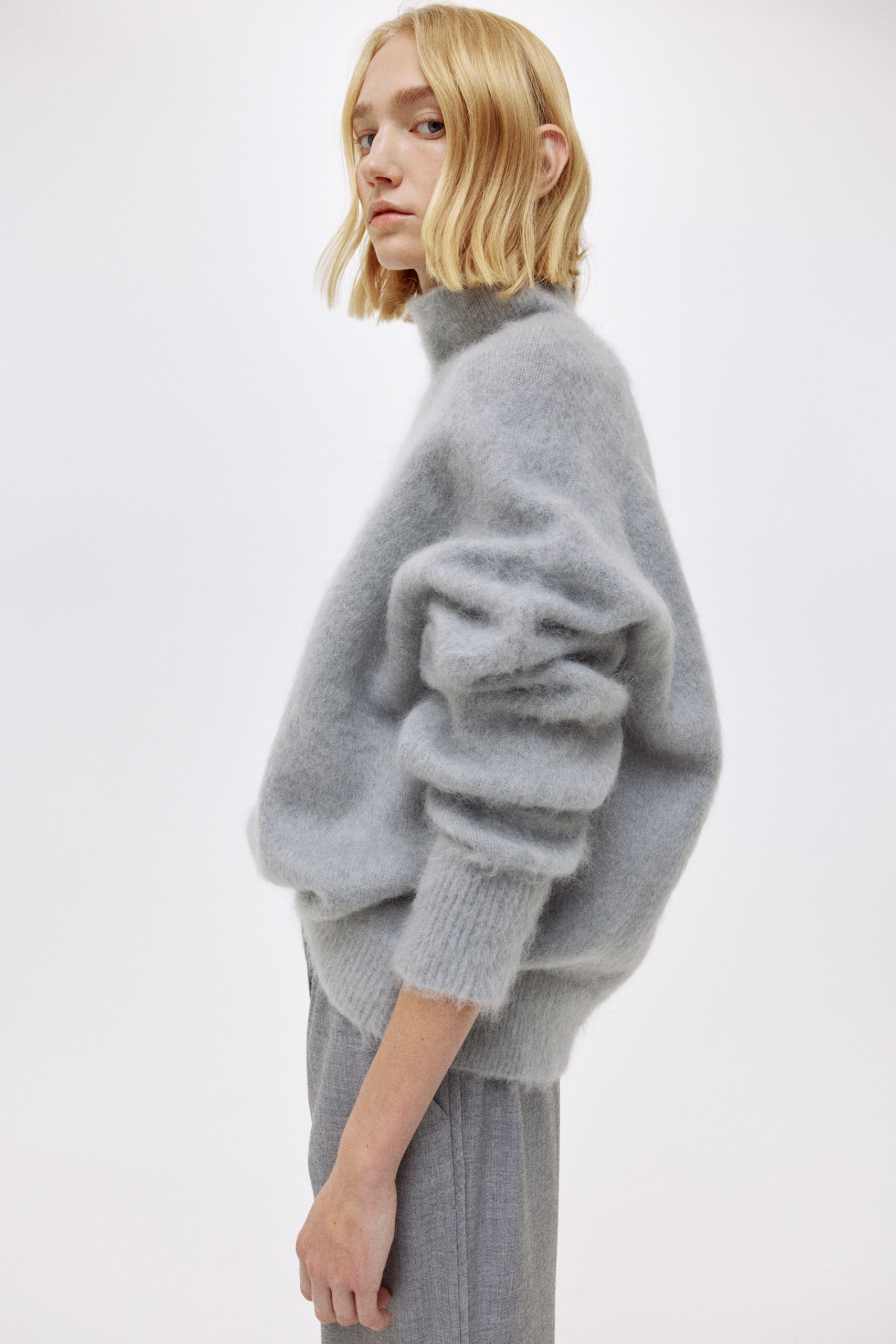
The mohair adds just the right amount of texture to any autumn outfit.
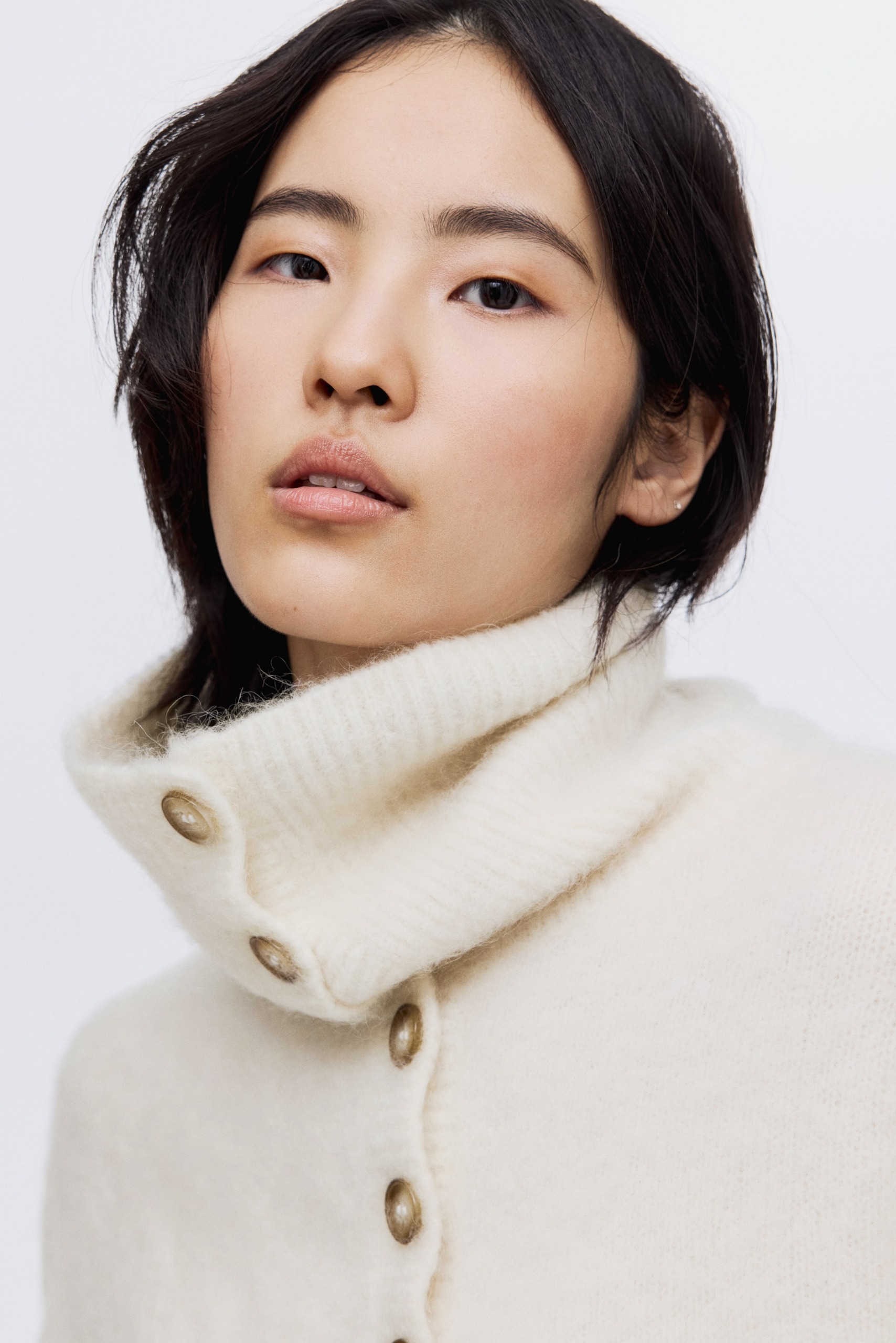
Cool women are adding funnel-neck jumpers to their knitwear rotation this autumn.
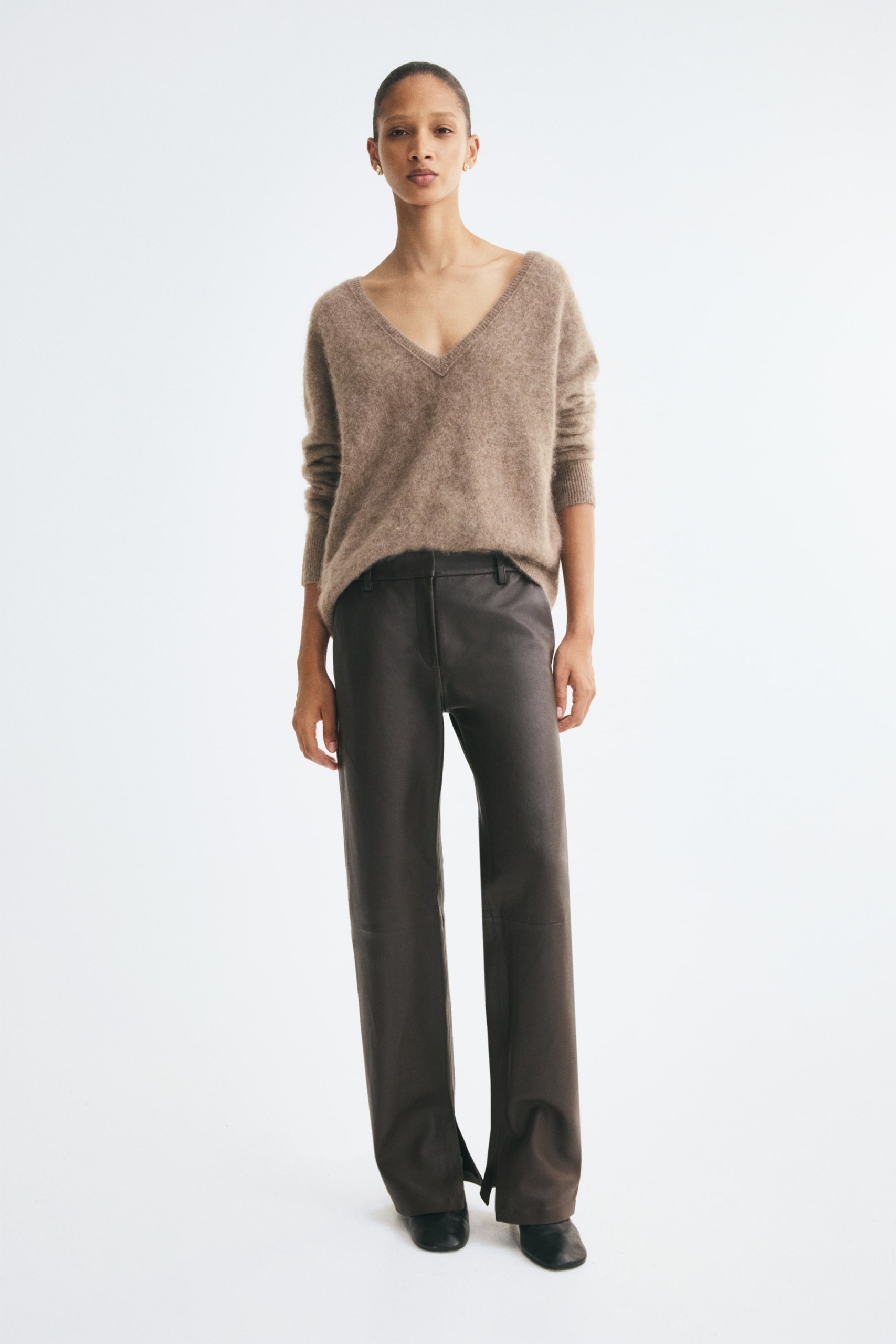
Chicccc.
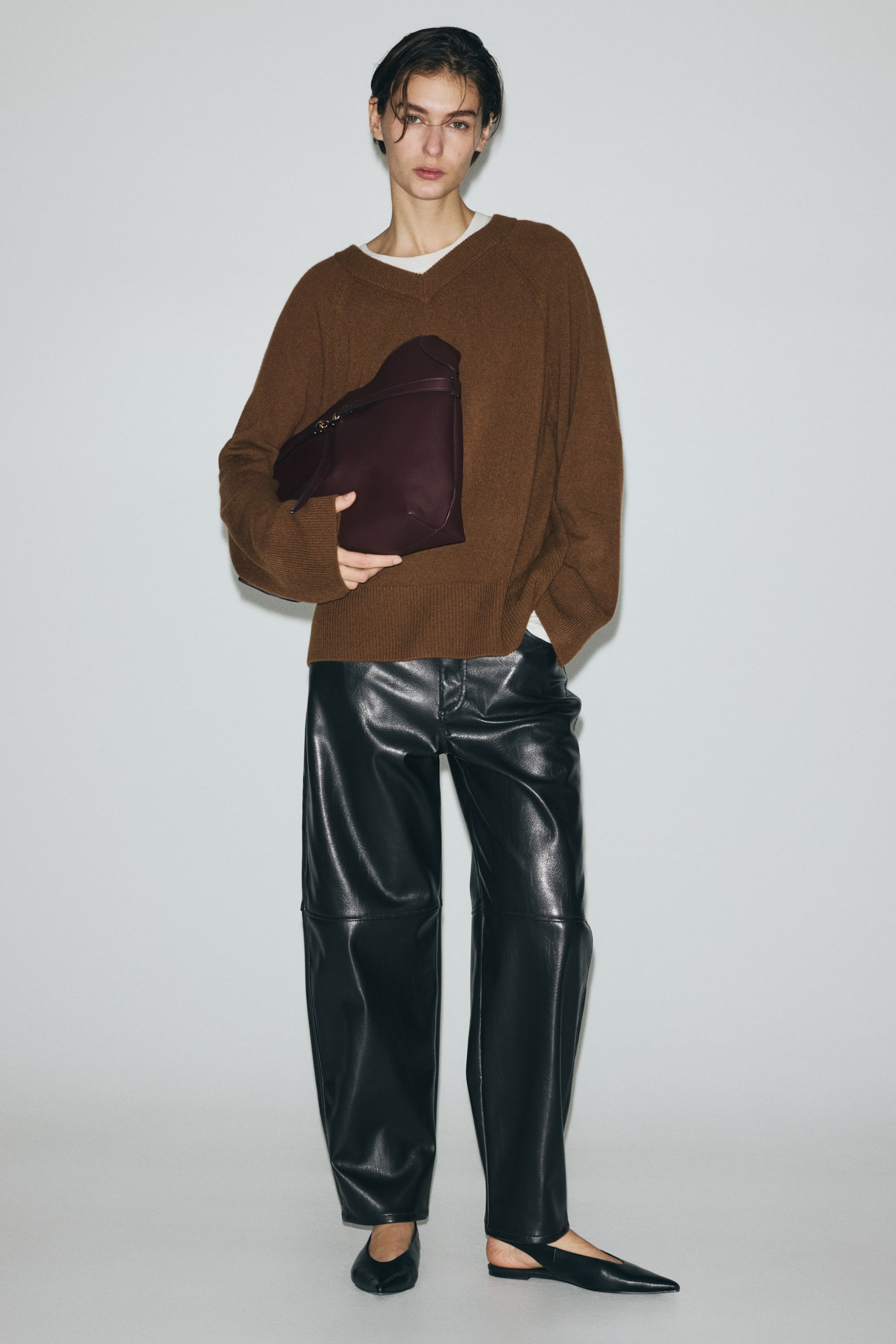
This whole look is my autumn/winter inspiration.