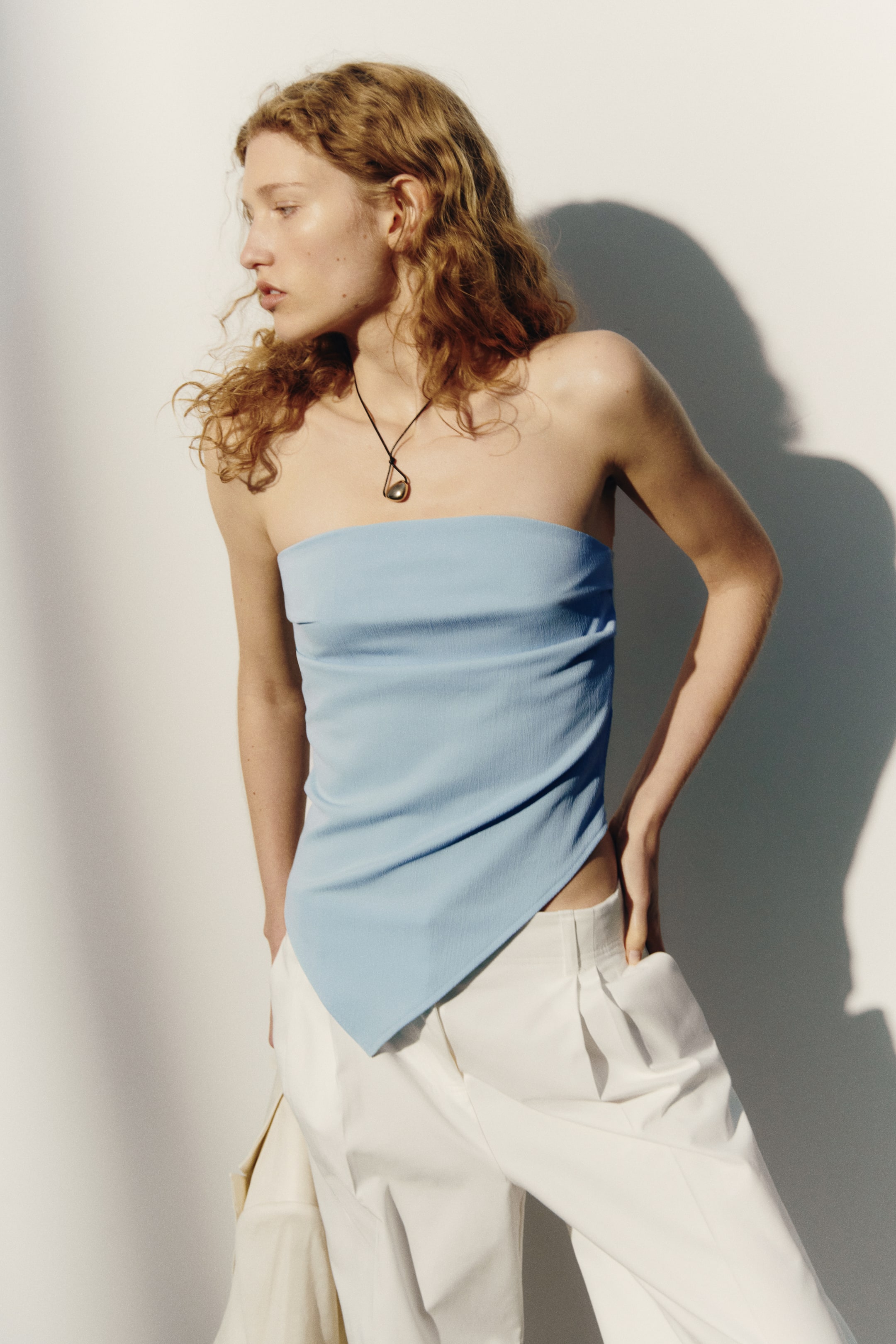
The democratization of style—the ability to access elevated aesthetics previously confined to luxury runways—is an ongoing narrative, and H&M's recent curation of five key summer colours exemplifies this shift. While the notion of identifying seasonal colour trends isn't novel, H&M's approach, as highlighted in Dôen! The Row! Loewe! All My Favourite Luxury Brands Are Now on Sale, underscores a crucial point: aspiration and accessibility aren't mutually exclusive. Savvy consumers are increasingly seeking ways to incorporate elements of high-end design into their everyday wardrobes without the commensurate price tag. H&M, recognizing this dynamic, isn't just dictating trends; it's offering a gateway to participate in them, a strategy that resonates deeply with the modern consumer who values both style and value. This isn't about mimicking luxury; it's about achieving a similar visual impact through considered colour choices and accessible pieces. The emphasis on versatility further reinforces this point: these aren't fleeting, niche shades, but rather foundational hues that can be styled across a multitude of looks and body types.
The significance of this isn't solely about H&M's commercial success, though that is undoubtedly a factor. It speaks to a broader evolution in how we consume fashion. We've moved beyond simply chasing "trends" and are now more focused on building wardrobes that are both stylish and sustainable, incorporating pieces that can be adapted and reinterpreted season after season. The suggestion that H&M's colour selections serve as a "starting point" for styling is particularly astute. It acknowledges that true style isn't about blindly following a prescribed formula but rather about using these foundational elements as a springboard for personal expression. This mirrors a growing desire for individuality within a framework of established aesthetics. Consider, too, the quiet confidence in a well-chosen colour palette, which can instantly elevate a simple ensemble, an effect arguably more impactful than chasing the latest silhouette, as evidenced by the enduring popularity of items like the sneakers highlighted in Calling It: These Nikes Are the It Sneakers of Summer 2026.
The enduring appeal of H&M, despite the rise of fast fashion alternatives and increasing calls for ethical consumption, lies in its ability to consistently deliver on this promise of accessible style. The personal anecdote about a childhood skirt, and its continued presence in the wardrobe, is telling. It speaks to a sense of familiarity and trust—H&M isn't viewed as a disposable source of fleeting trends but as a reliable purveyor of foundational pieces that can evolve with one's style. It's a brand that understands the power of a well-placed colour, a thoughtfully designed silhouette, and the enduring appeal of a classic aesthetic. This approach, in contrast to the often-overwhelming and rapidly changing landscape of contemporary fashion, offers a sense of stability and intentionality that many consumers find appealing. Moreover, the focus on colour—as opposed to overtly "trendy" pieces—implies a certain timelessness, a deliberate move away from the ephemeral nature of micro-trends.
Ultimately, H&M's curated colour palette represents a strategic alignment with the evolving preferences of the modern consumer: a desire for accessible luxury, a focus on versatility, and an appreciation for the power of understated elegance. The ability to effortlessly incorporate these colours into existing wardrobes speaks to a broader shift toward mindful consumption and a rejection of disposable fashion. Looking ahead, it will be interesting to observe how other fast fashion retailers respond to this trend, and whether we'll see a greater emphasis on curated colour palettes as a means of elevating their offerings and appealing to a more discerning clientele. Will this approach lead to a broader re-evaluation of the role of fast fashion in the luxury landscape, or will it simply become another fleeting marketing tactic?