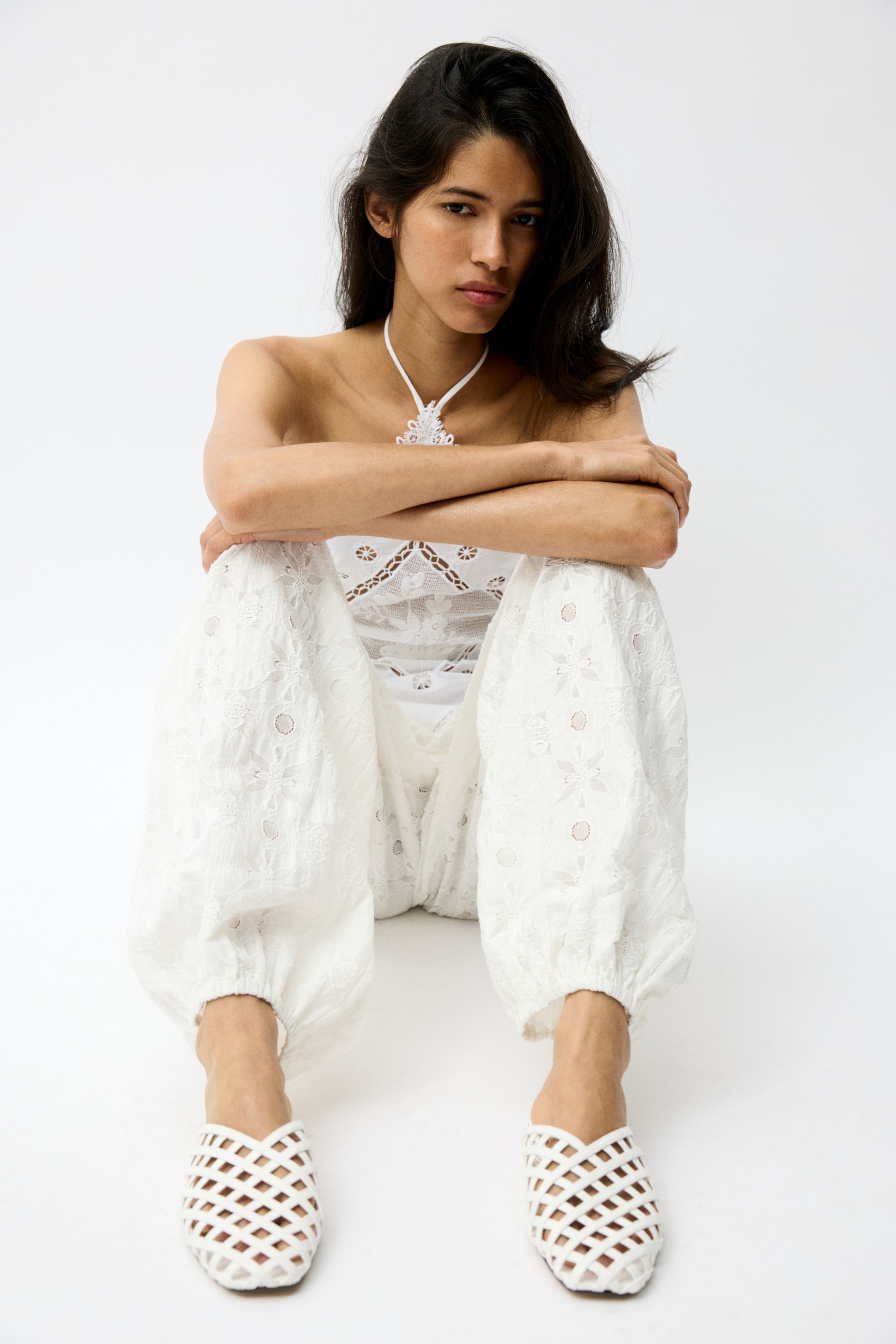
At this point, it’s actually quite surprising how I have any money left to pay my mortgage after my weekly H&M orders. It just gets me every time. If it isn’t H&M Home parading new house bits in front of me, it’s the latest designer collaboration (I’m ready and waiting for Wardrobe.NYC after seeing the sneak peek in Paris this week) but my main kryptonite is the shoe section. Why? Well, it just never fails to have styles that I know I’ll wear all season, time and time again, with so many outfits. For summer 2026, there’s a few trends standing out more than others, and braided or woven is one of them. While it's a chic detail on any silhouette, H&M is backing flats in the form of ballets and mules. And I fully approve.
Prefer sandals? 90s thong heeled and classic flat pairs are all over the high street brand, and instead of loafers as a smarter shoe choice this season, it's all about the deck shoe that you've most likely seen all over Instagram. If you've got a fancy occasion coming up, you'll want to pay close attention to the return of slingbacks, along with fuss-free mules. No matter your style, though, I guarantee H&M has got a pair you'll love with these six expensive-looking shoe trends.
6 H&M Summer Shoe Trends To Shop
1. Braided Flats
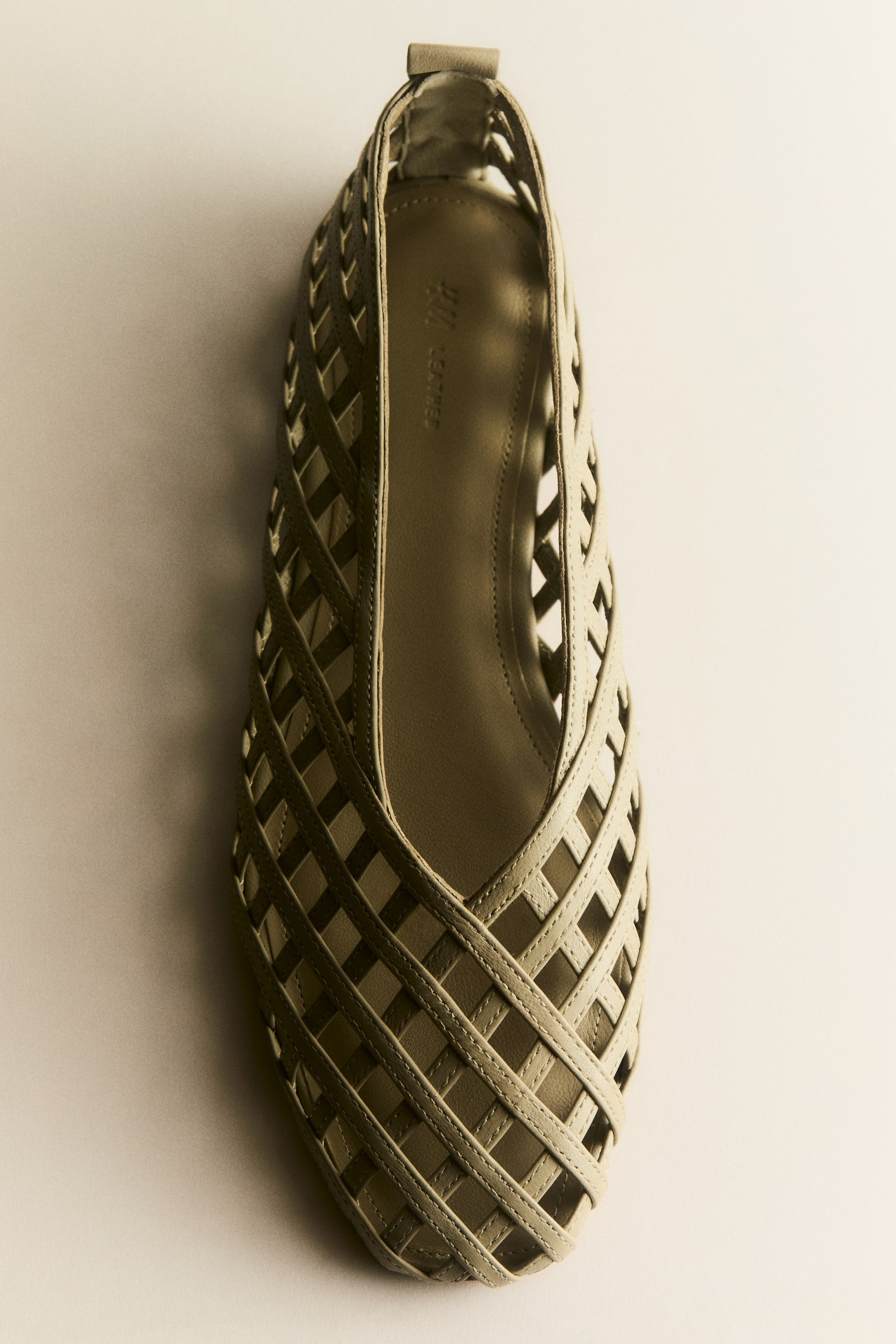
This colour was seen all over the runways at Balmain, Burberry and Saint Laurent.
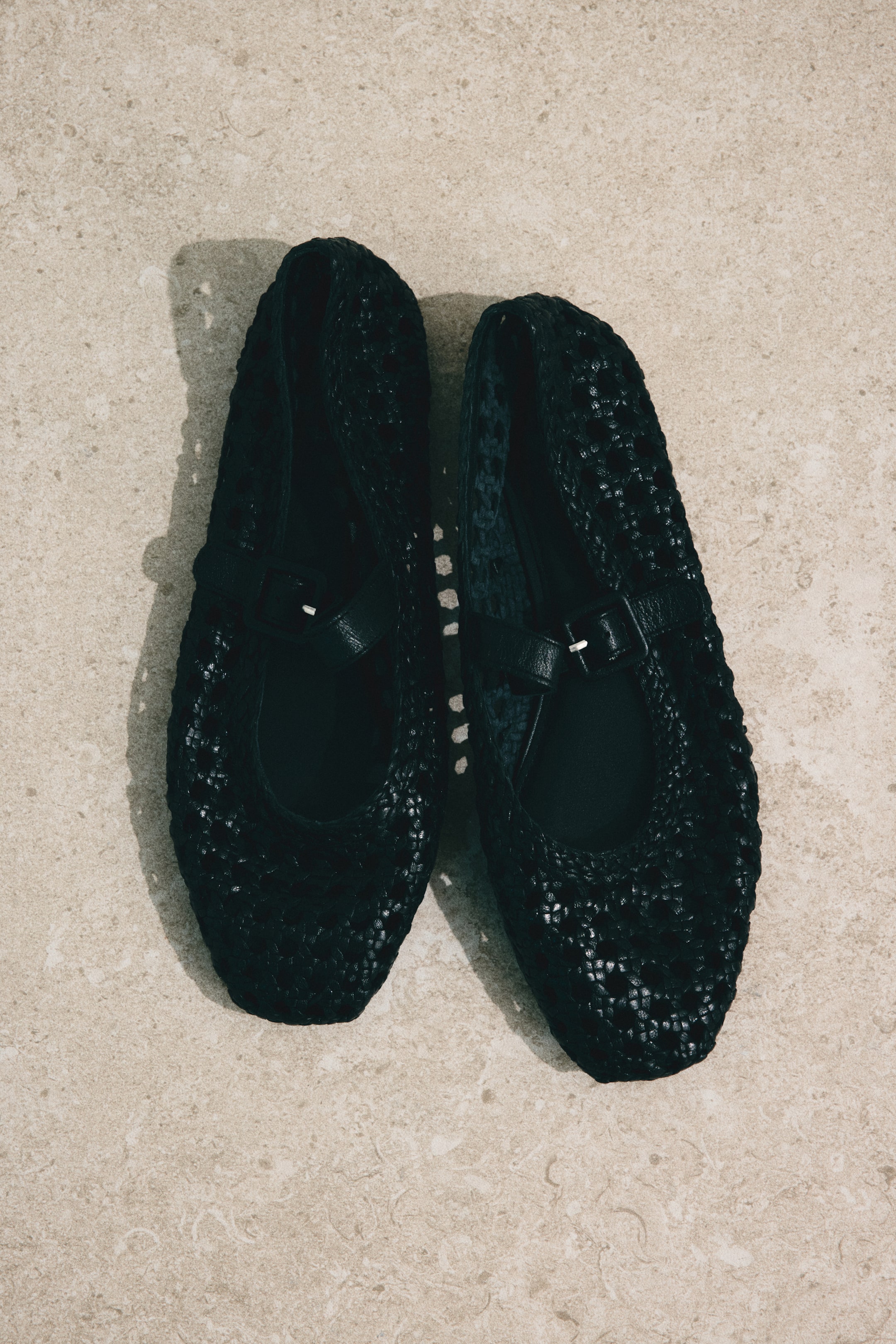
The buckle makes these look more premium.
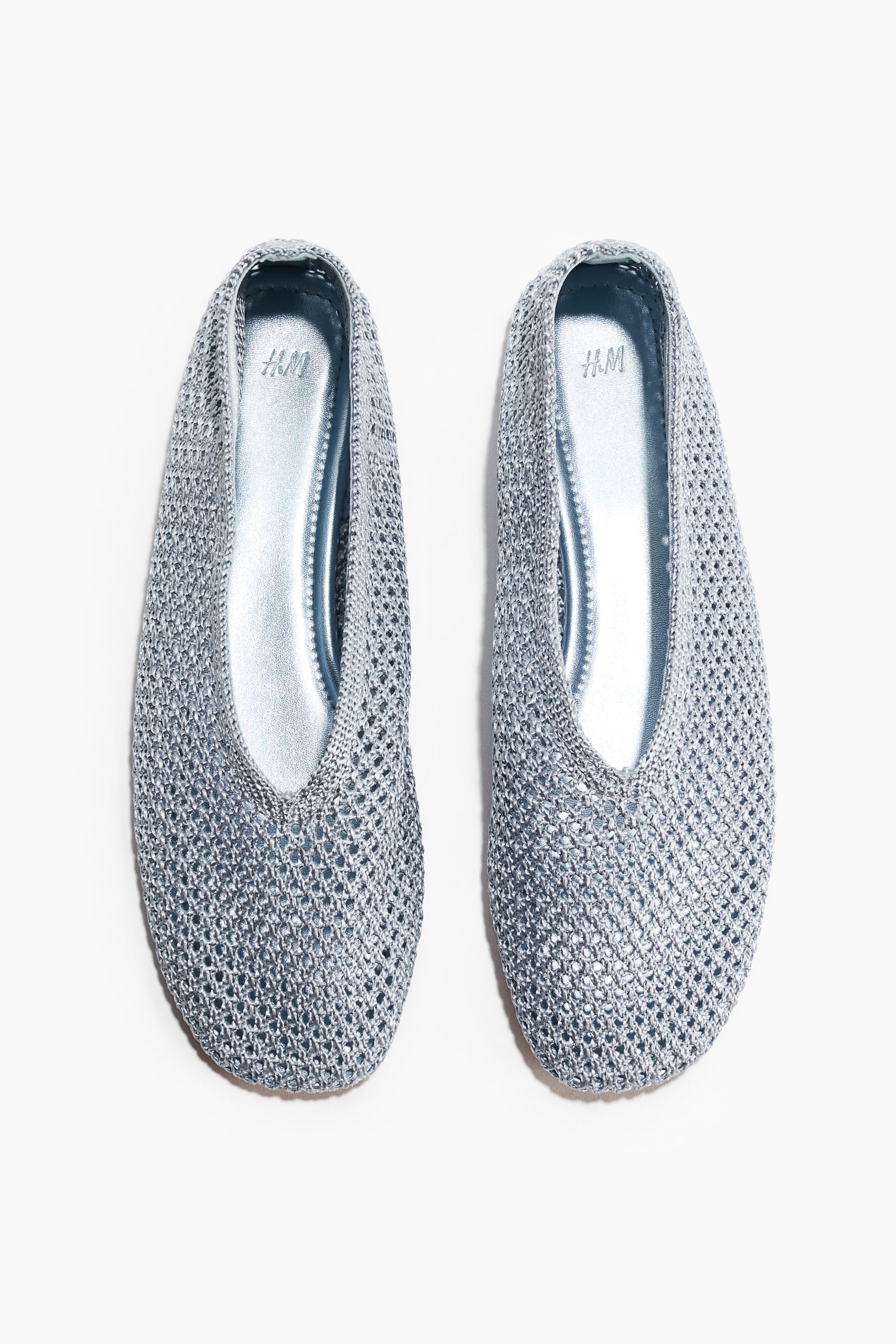
I also need the pink and gold versions.
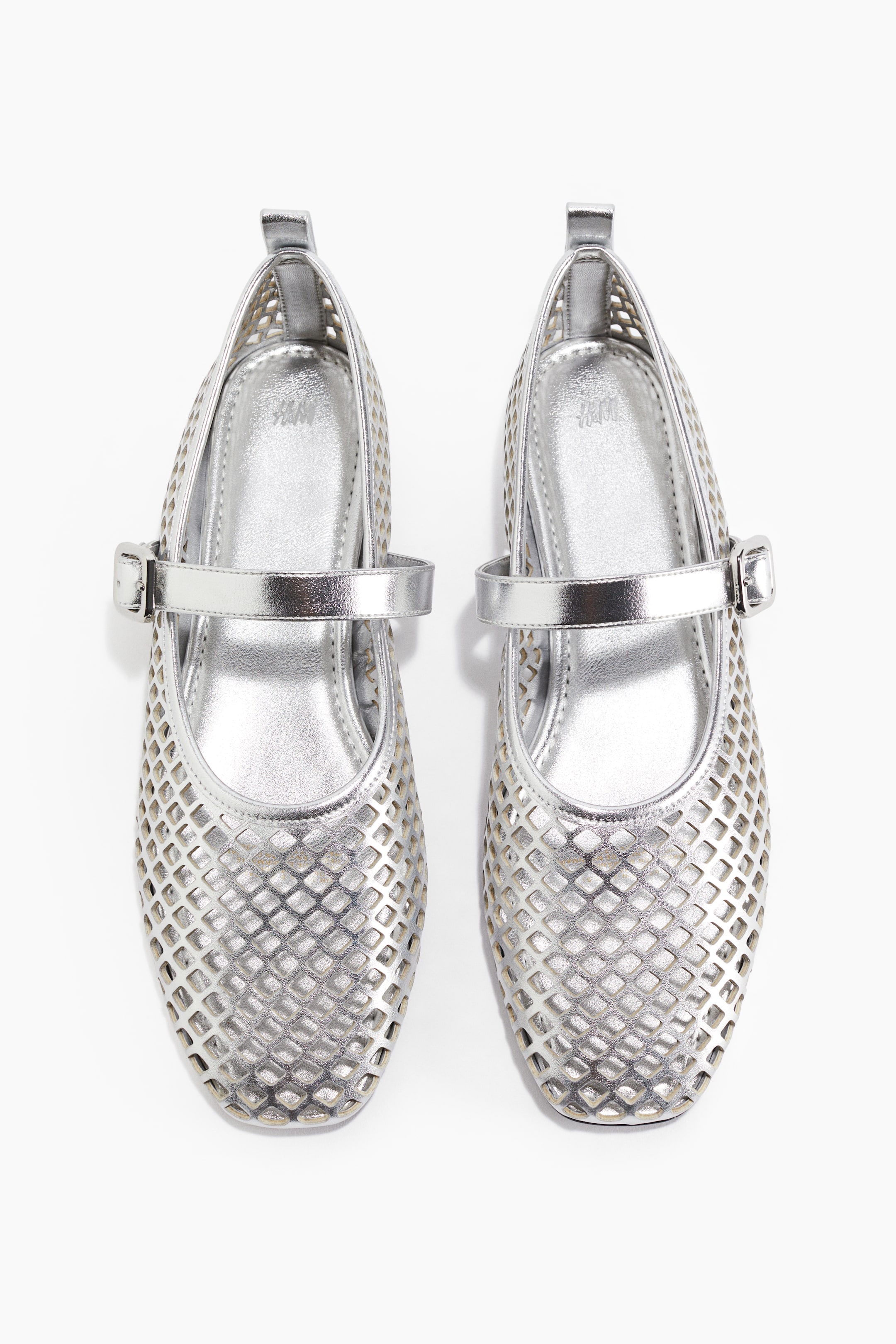
Just add jorts and a tank.
2. The Slingback
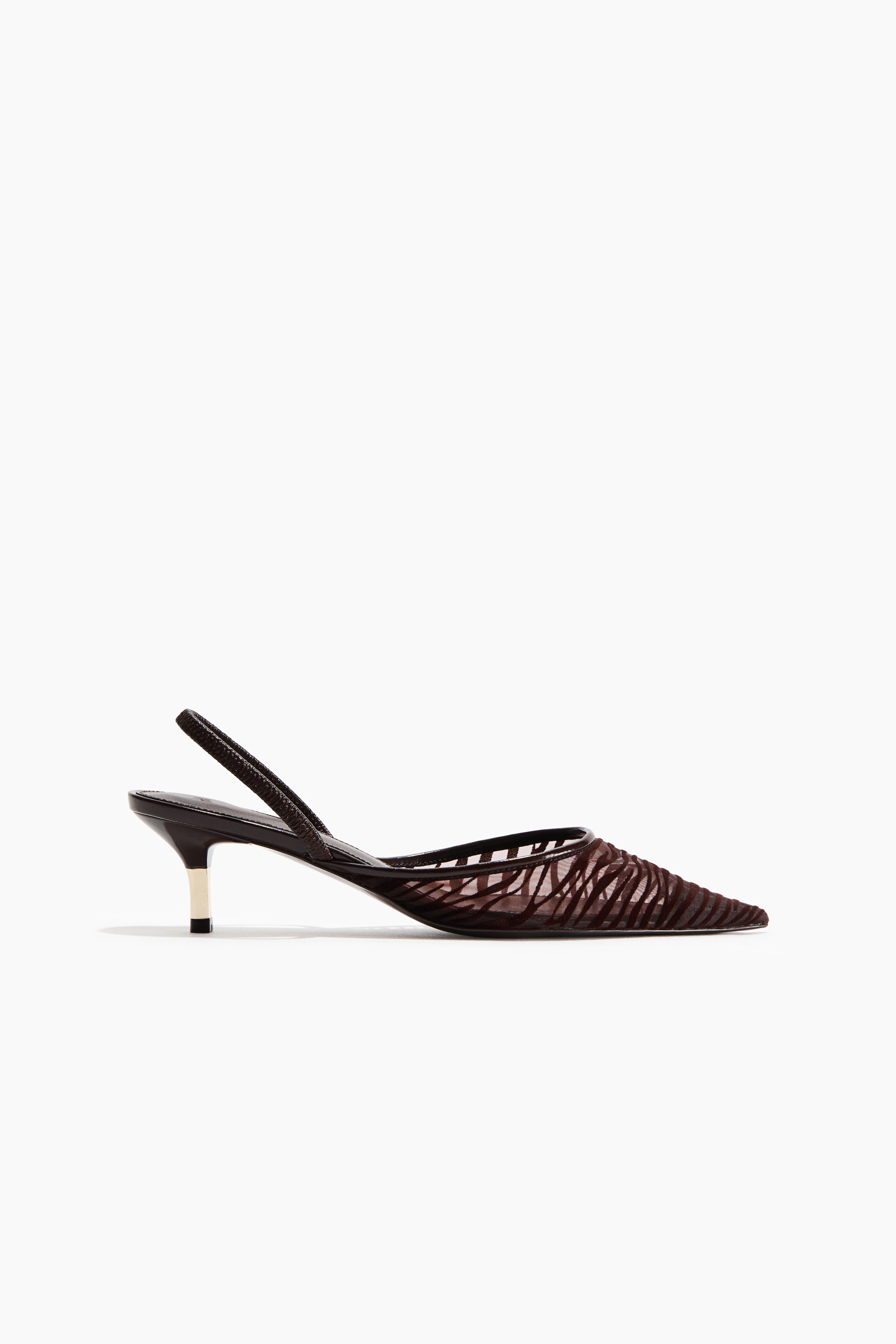
Chocolate brown zebra print, okay then.
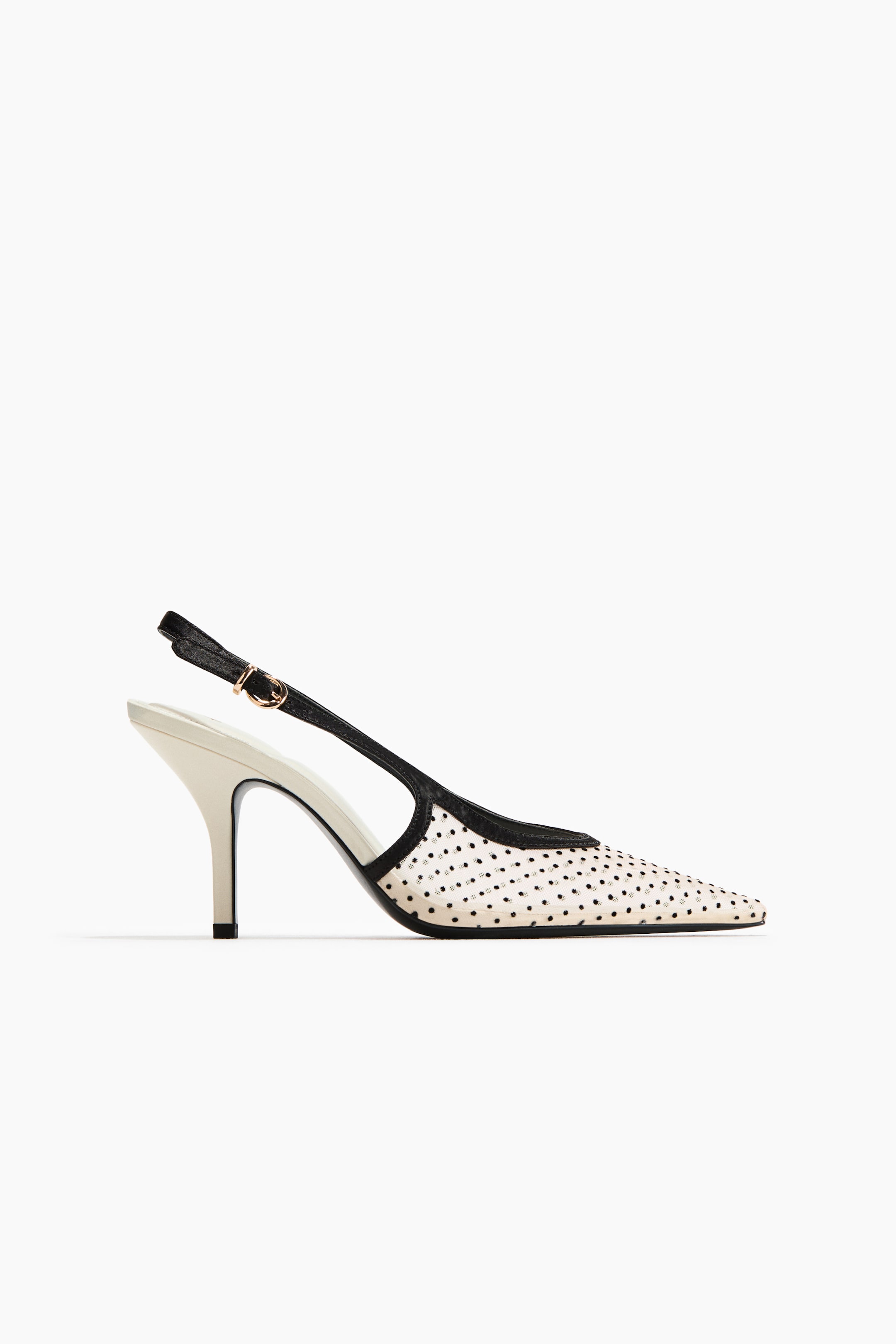
I added these to my basket as soon as they landed this week.
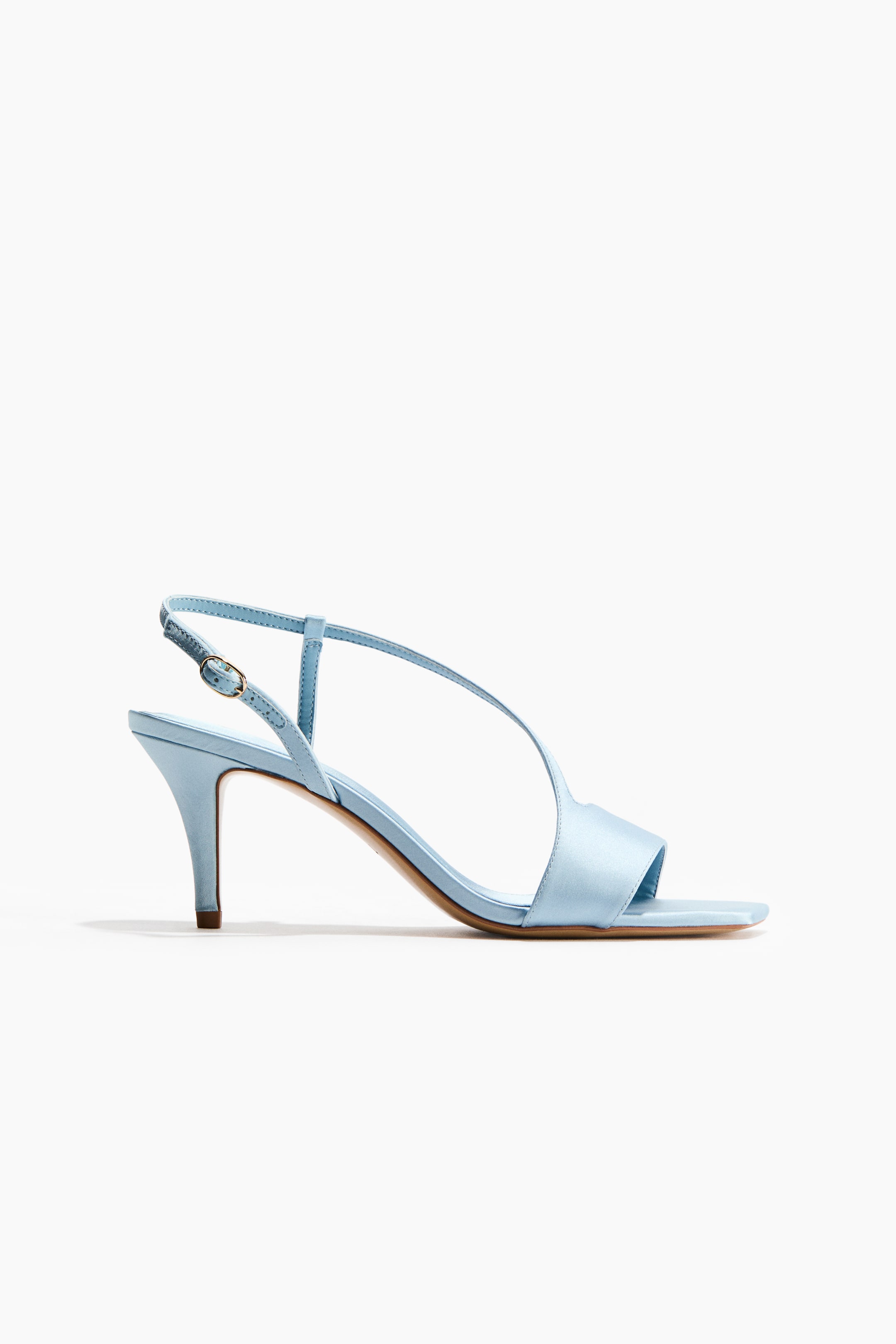
The dream wedding guest shoe in the colour of the season—well done, H&M.
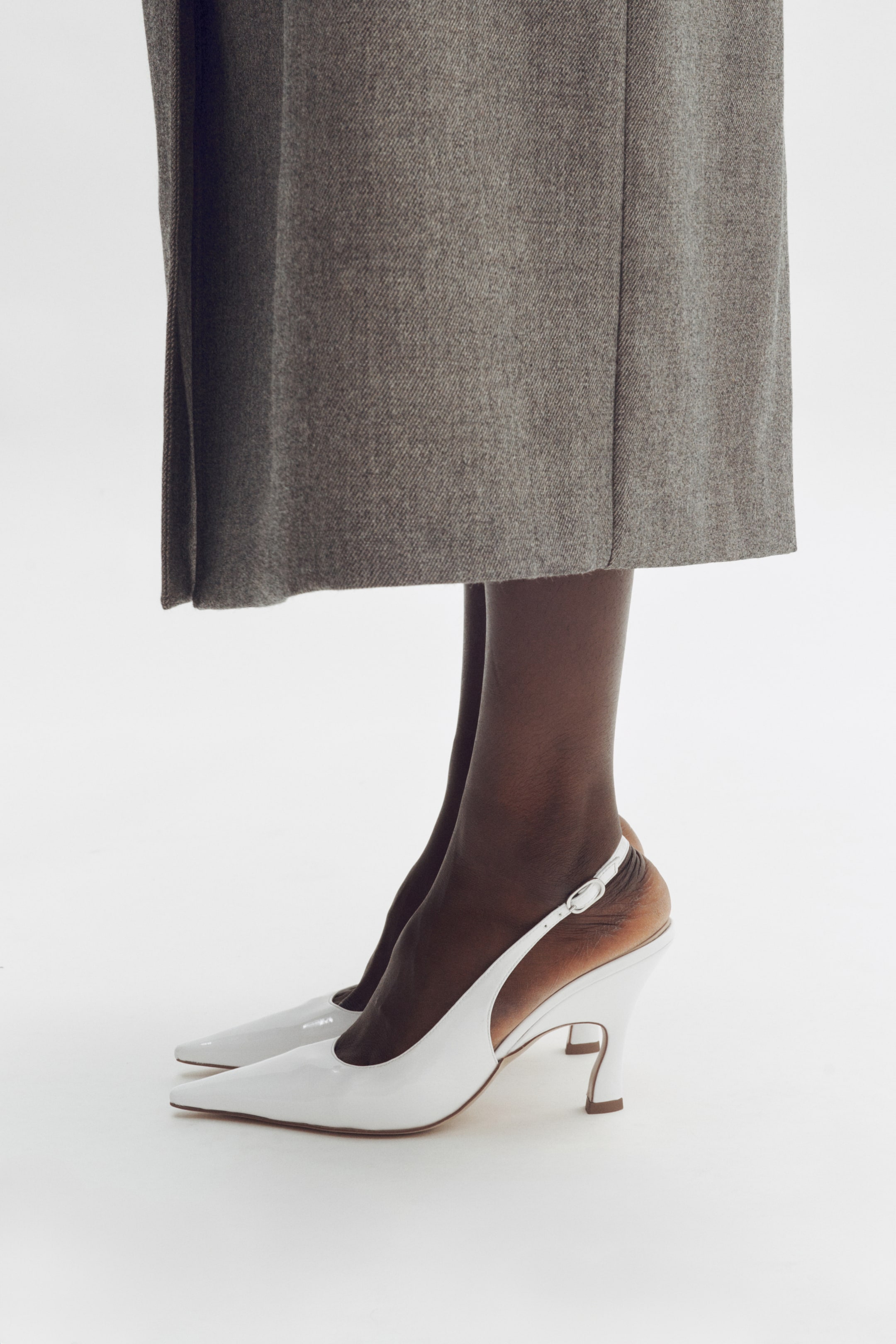
I can't believe this Stella McCartney pair hasn't sold out yet.
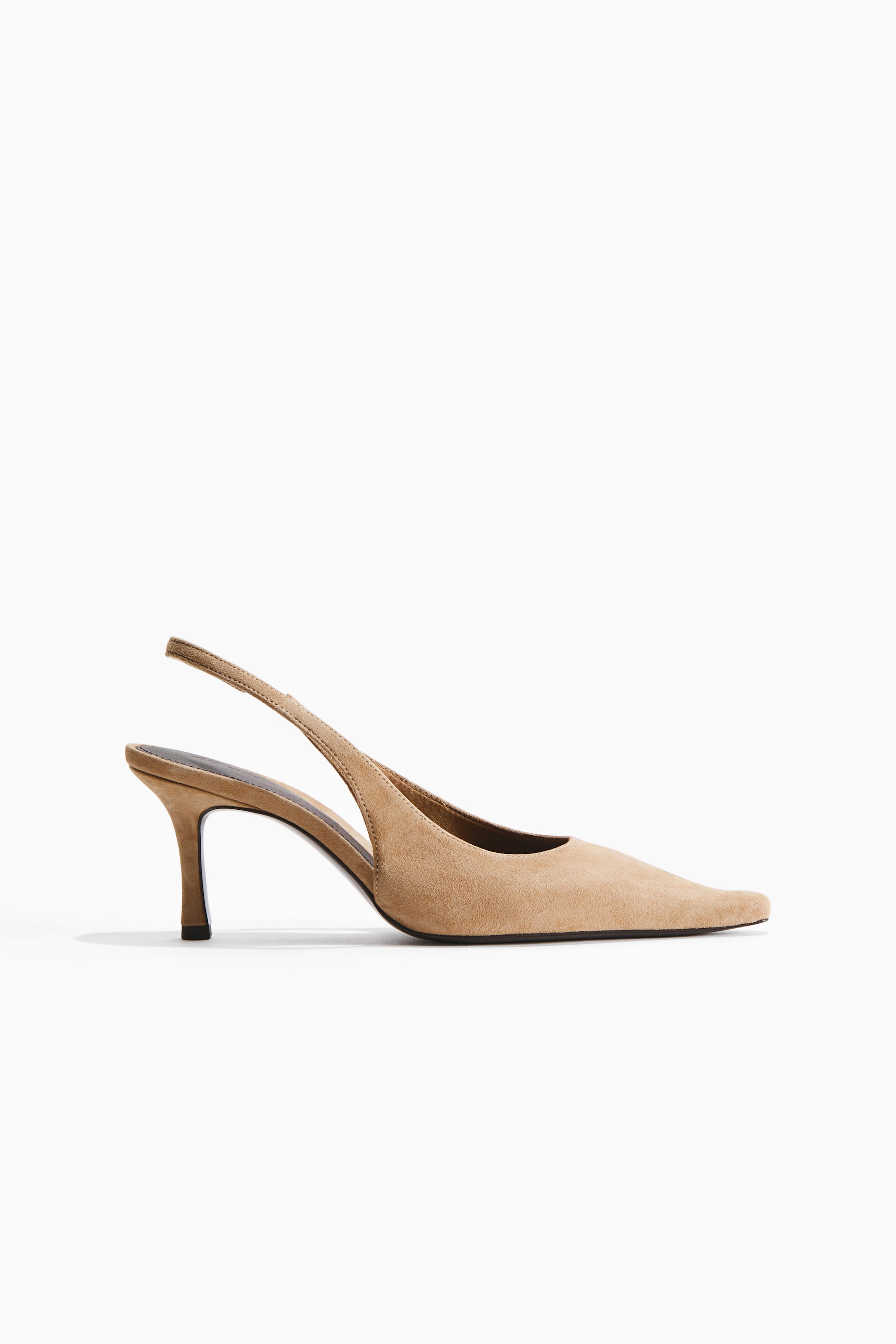
Love the extreme pointed toe on this suede pair.
3. Thong Sandals
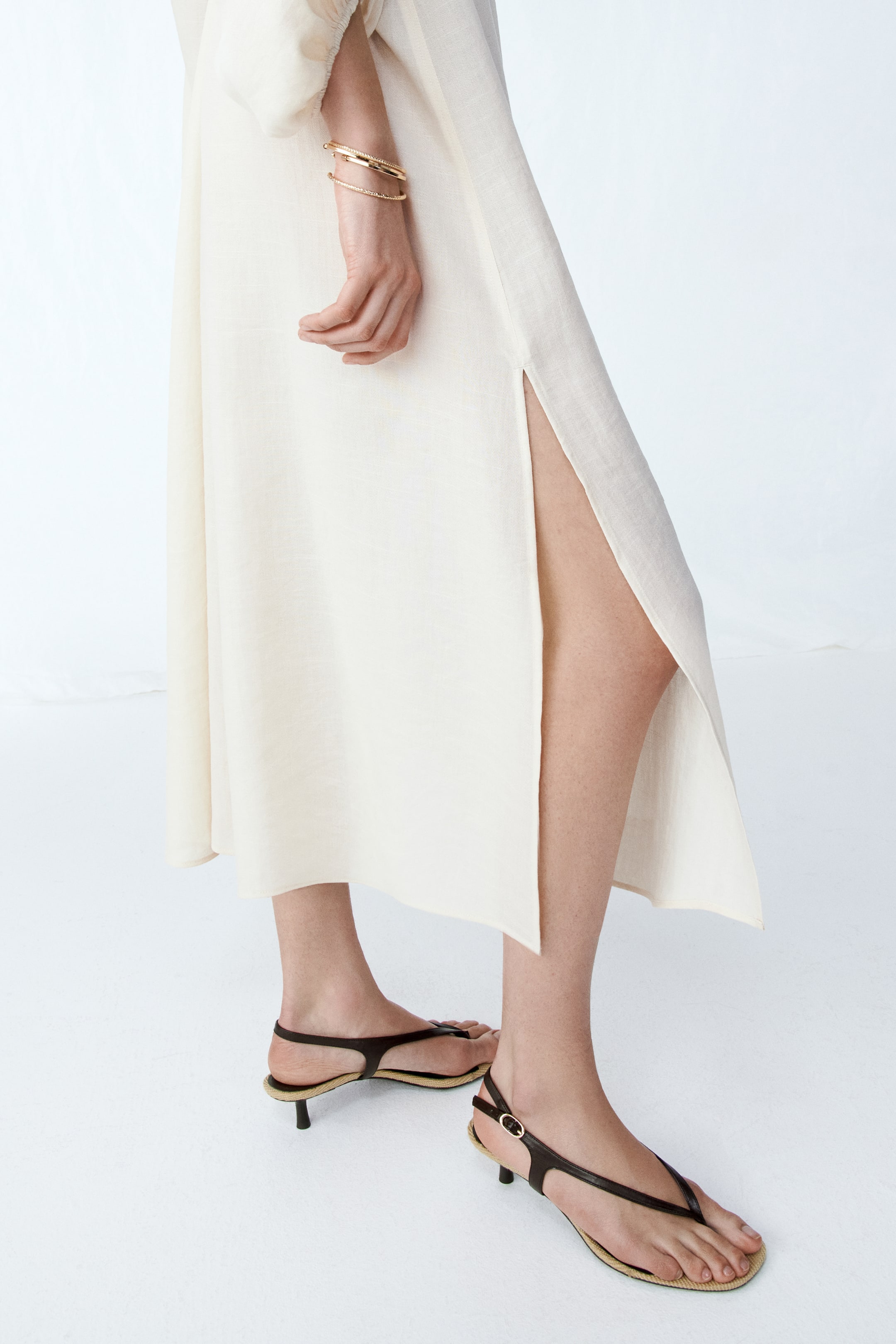
I ended up buying these in all three colours (and can confirm they're SO comfy).
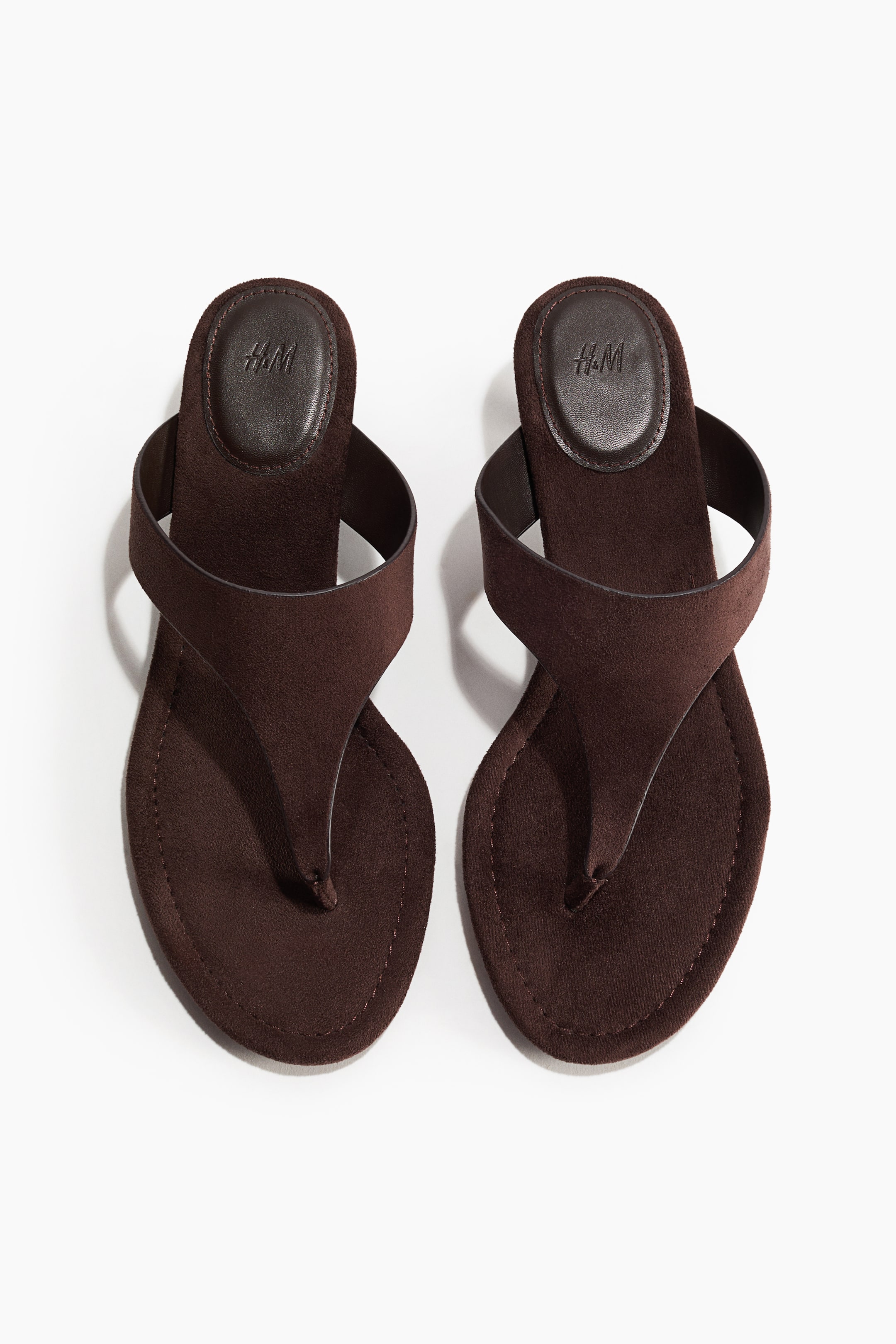
Yes to chocolate everything.
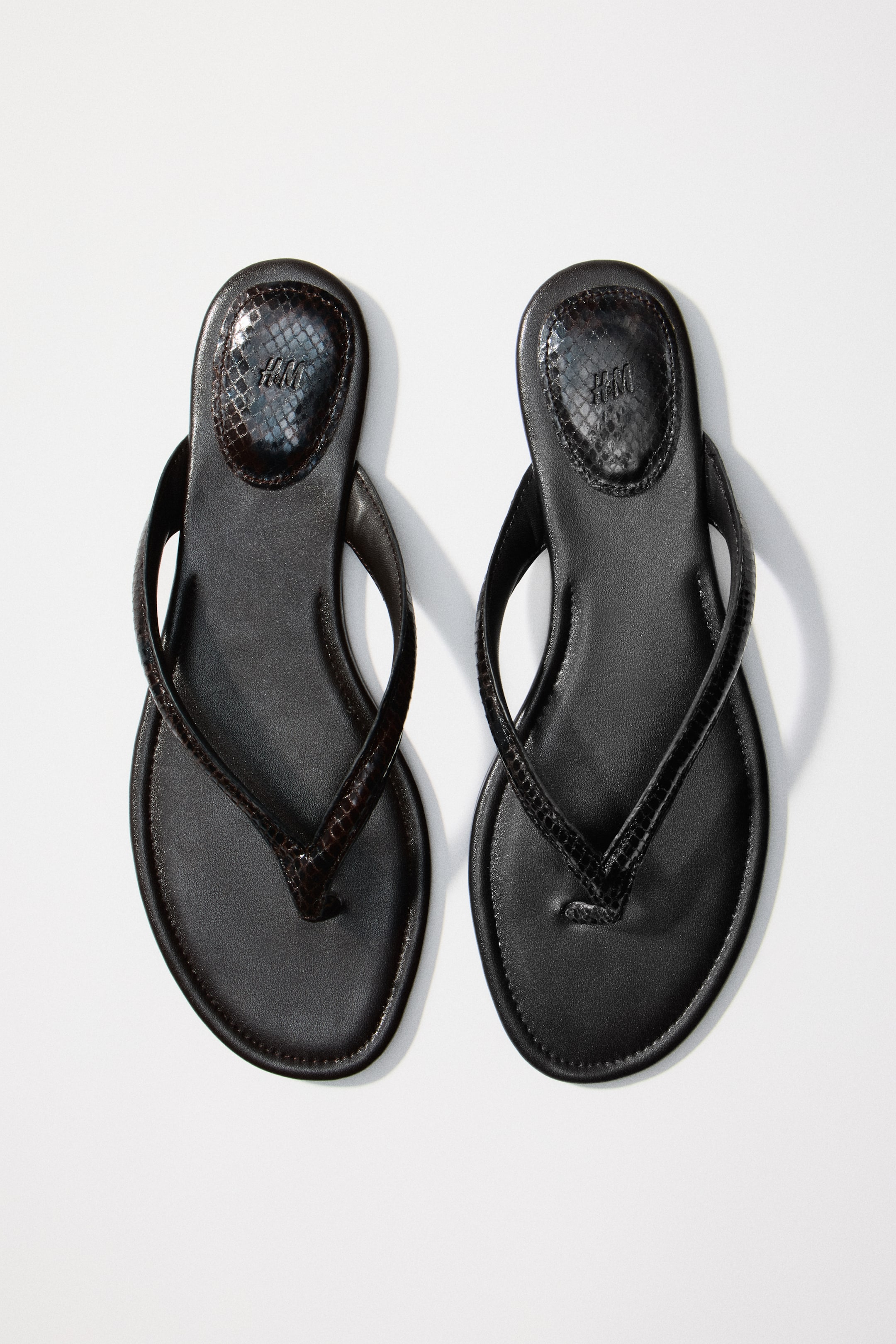
Sometimes you just need to update your classic shoe collection.
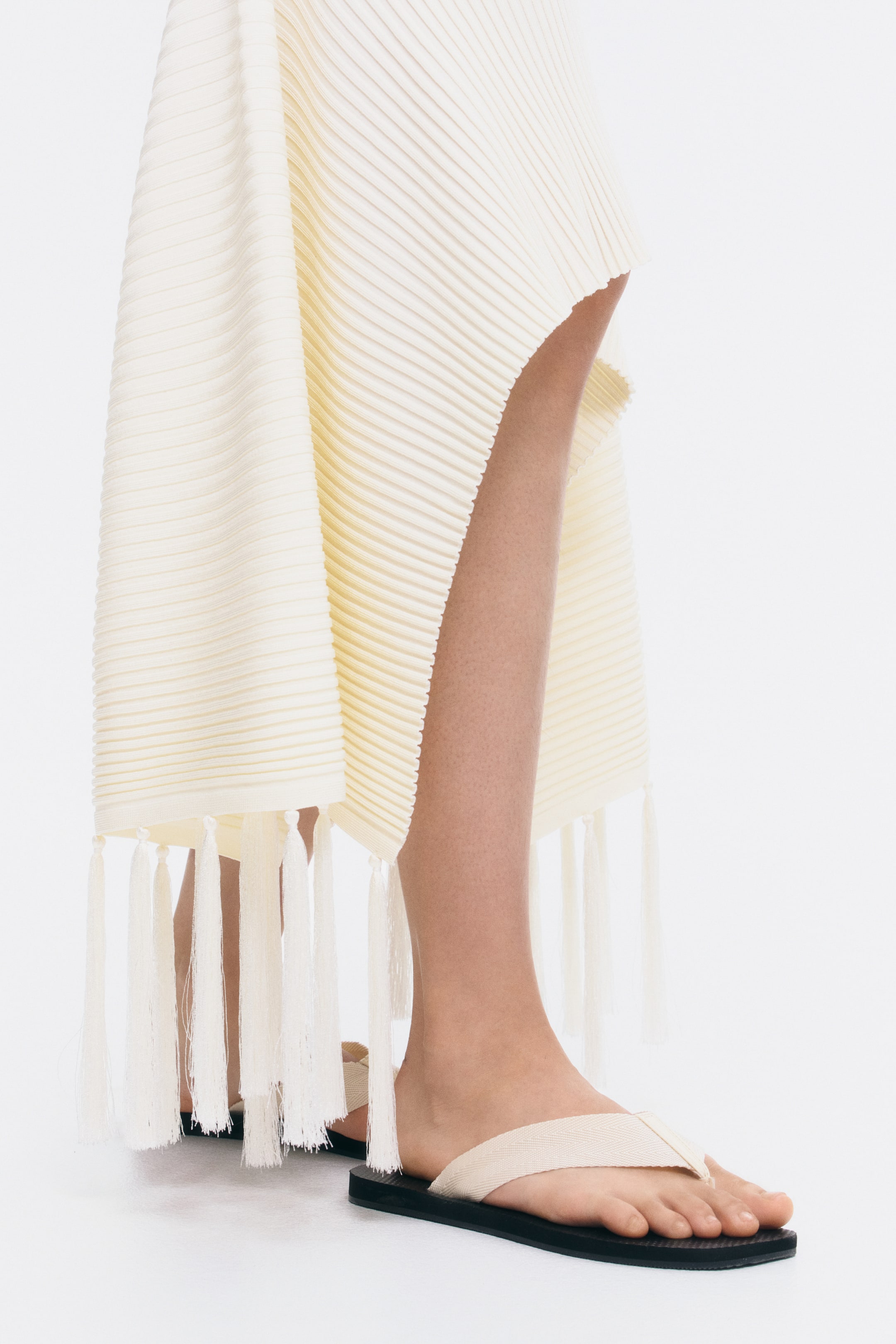
One to wear on heavy rotation all summer.
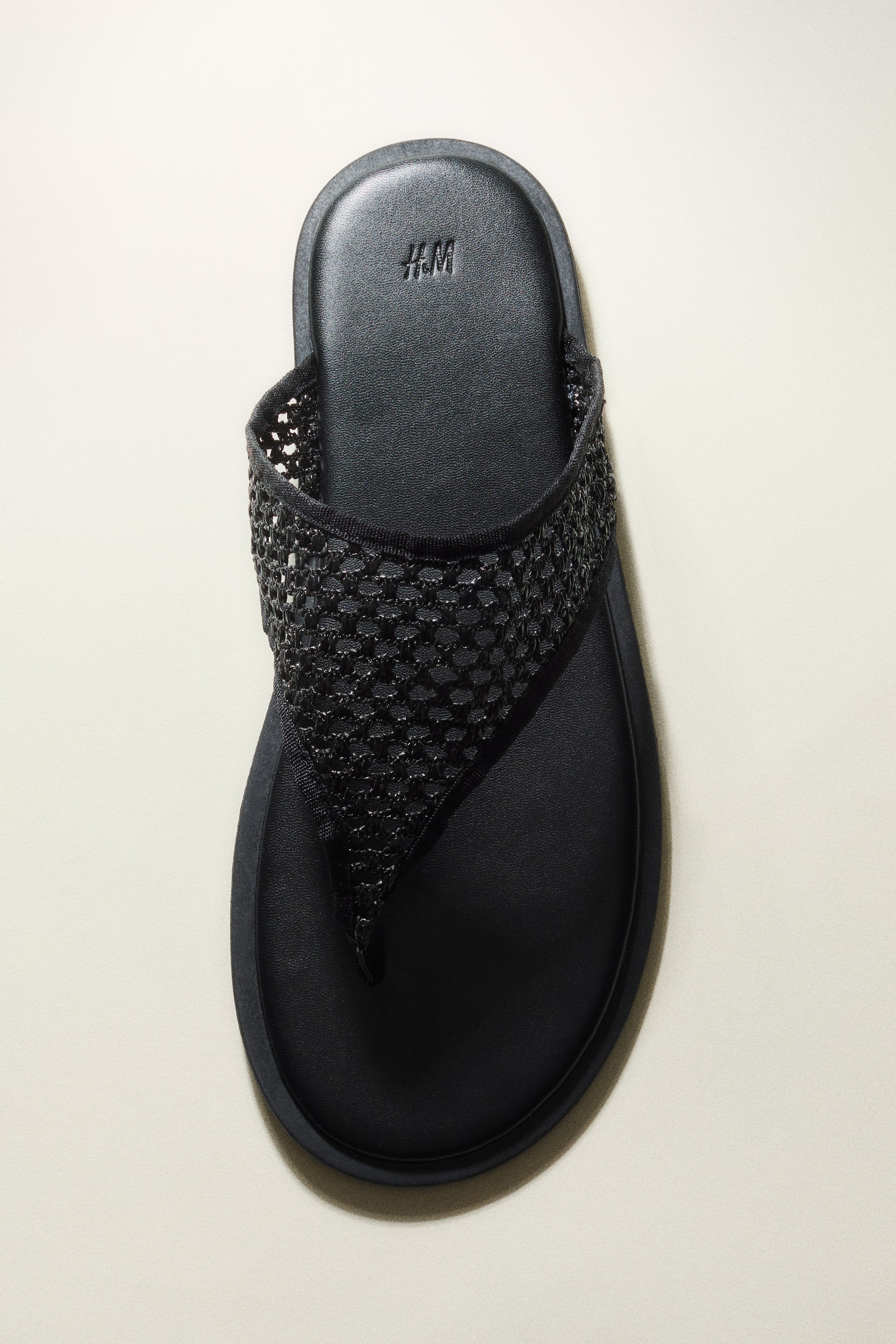
Mastering two mini trends with this braided pair.
4. Deck Shoes
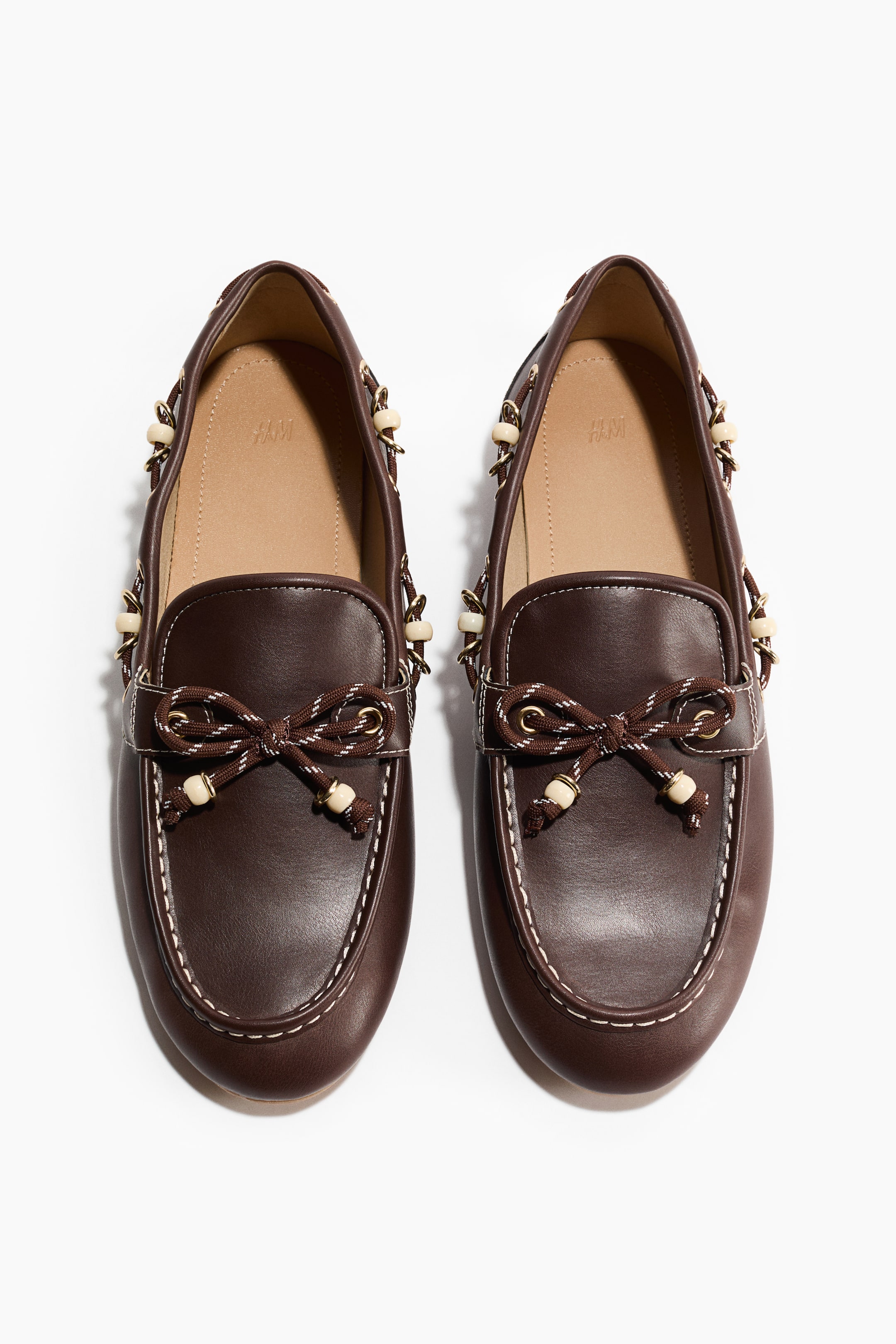
The beaded detail have sold them to me.
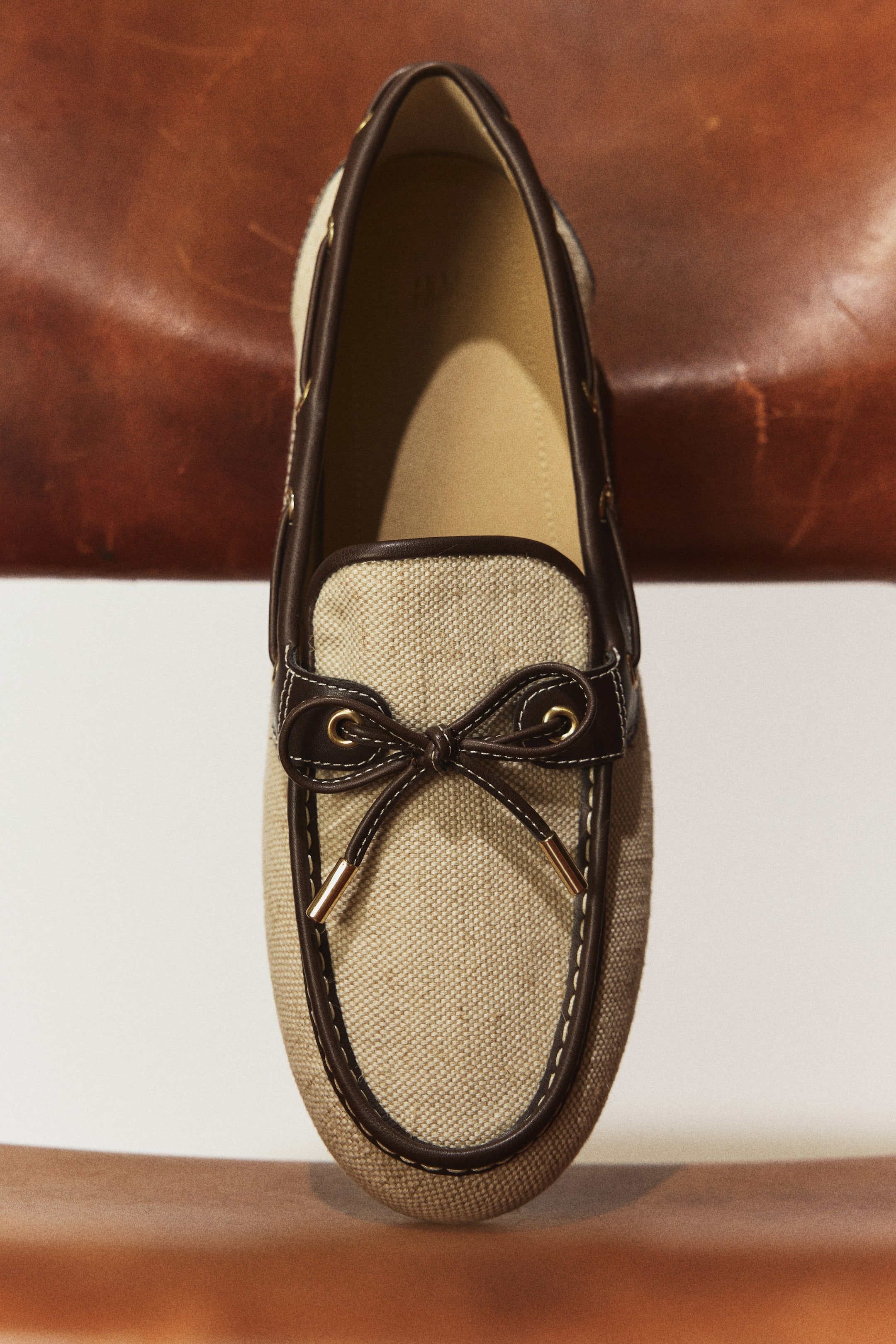
Firm yes to two-tone.
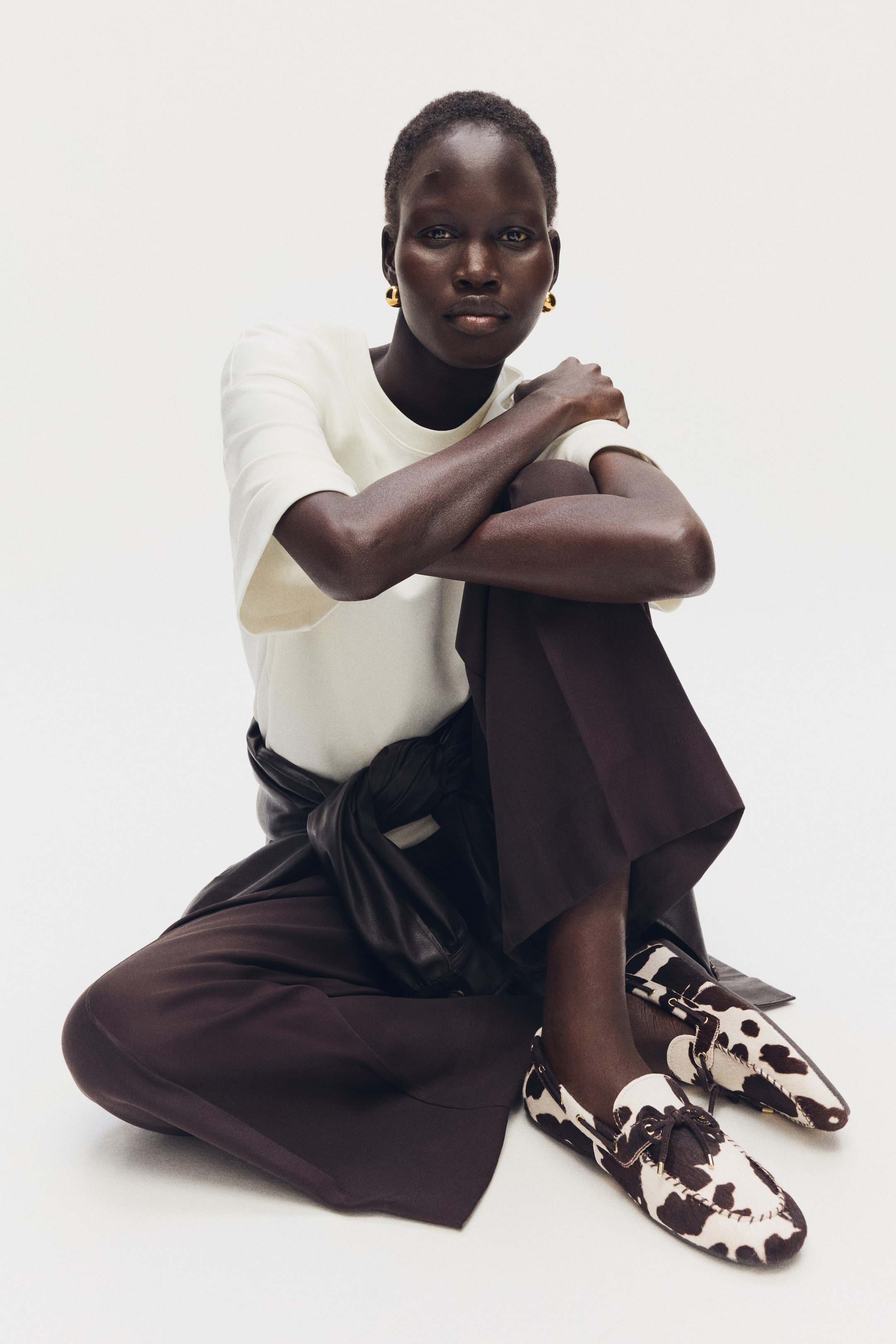
Love the Western nod.
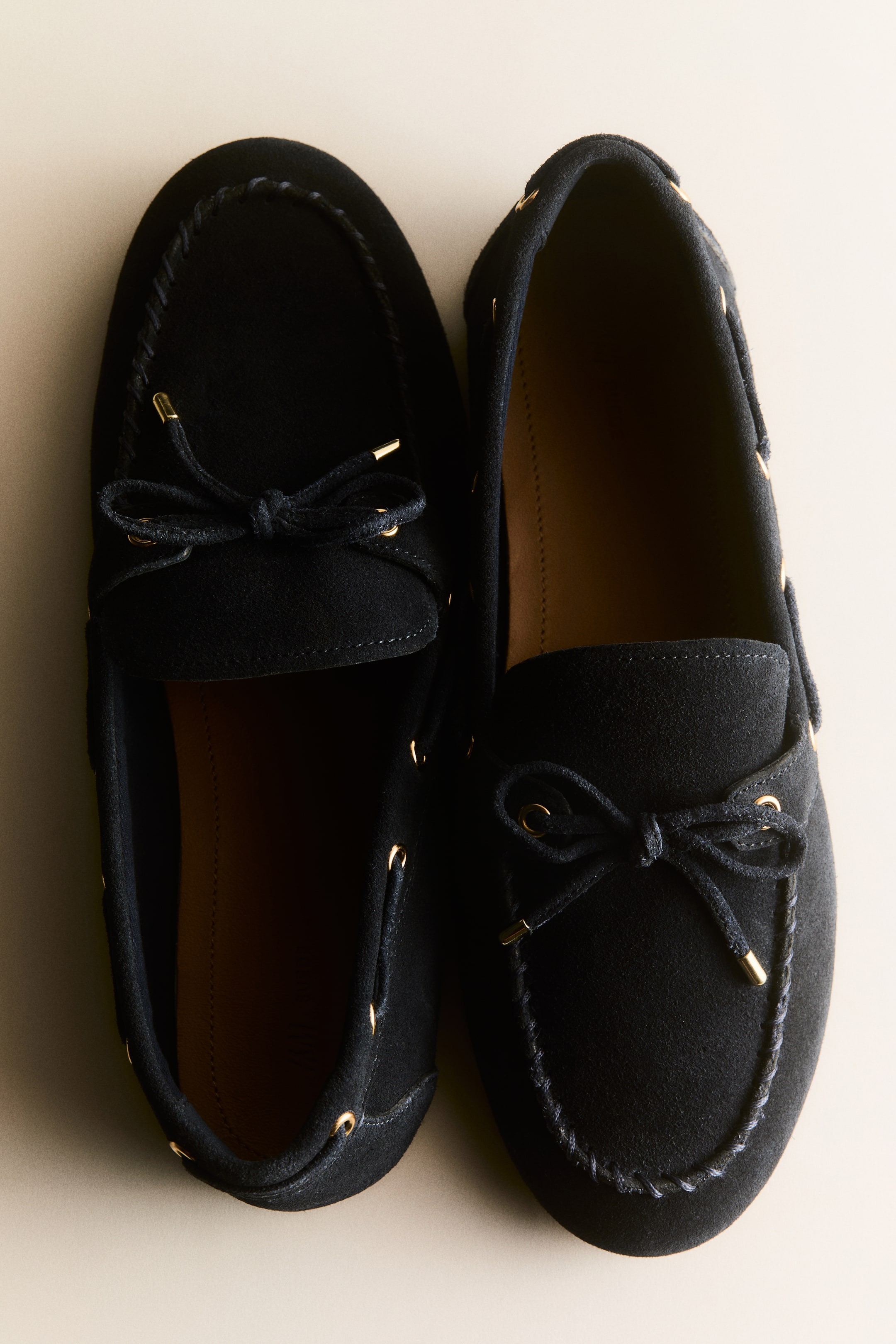
Such a classic with linen trousers.
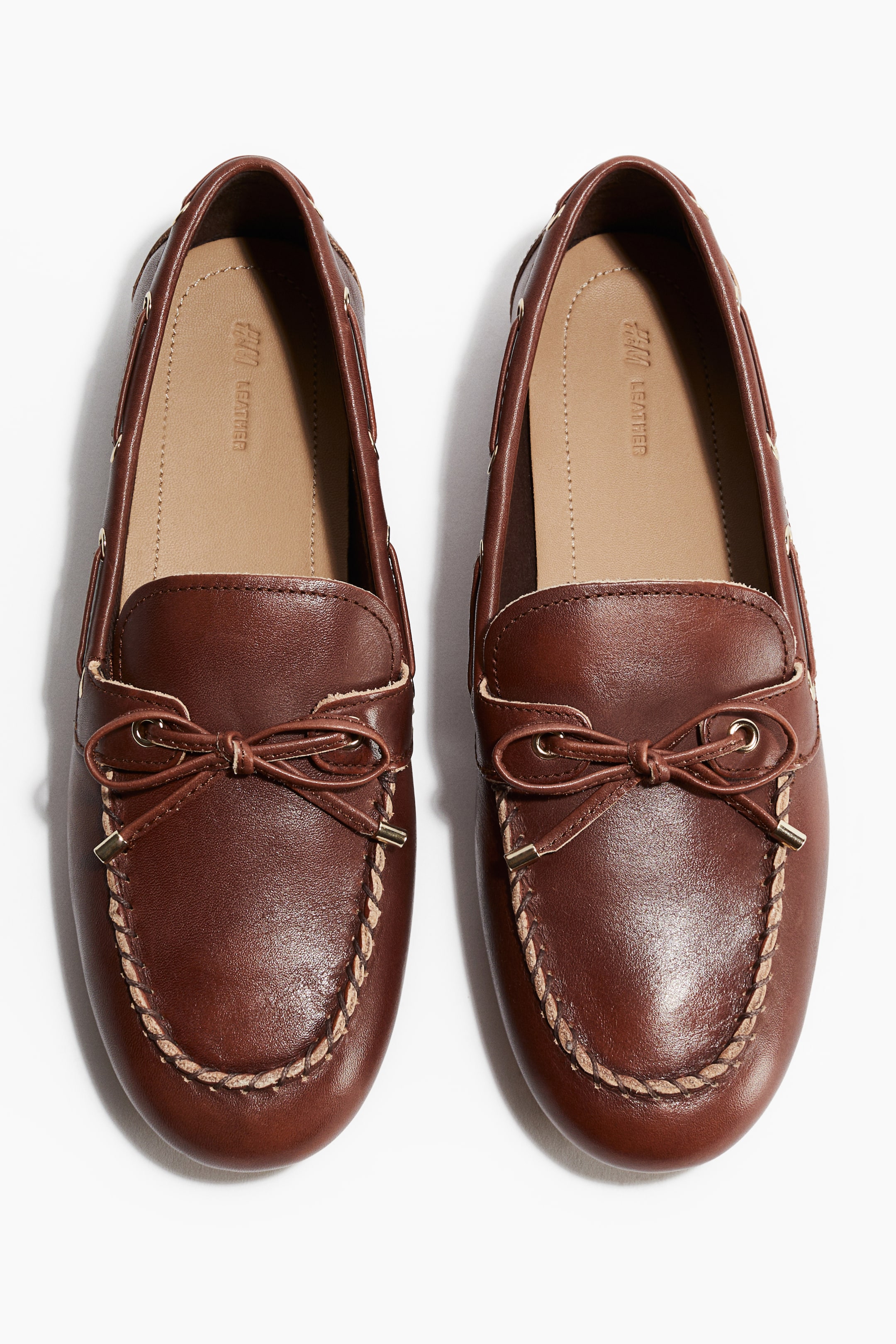
I'm seeing these with tailored trousers for the office.
5. All Things Animal Print
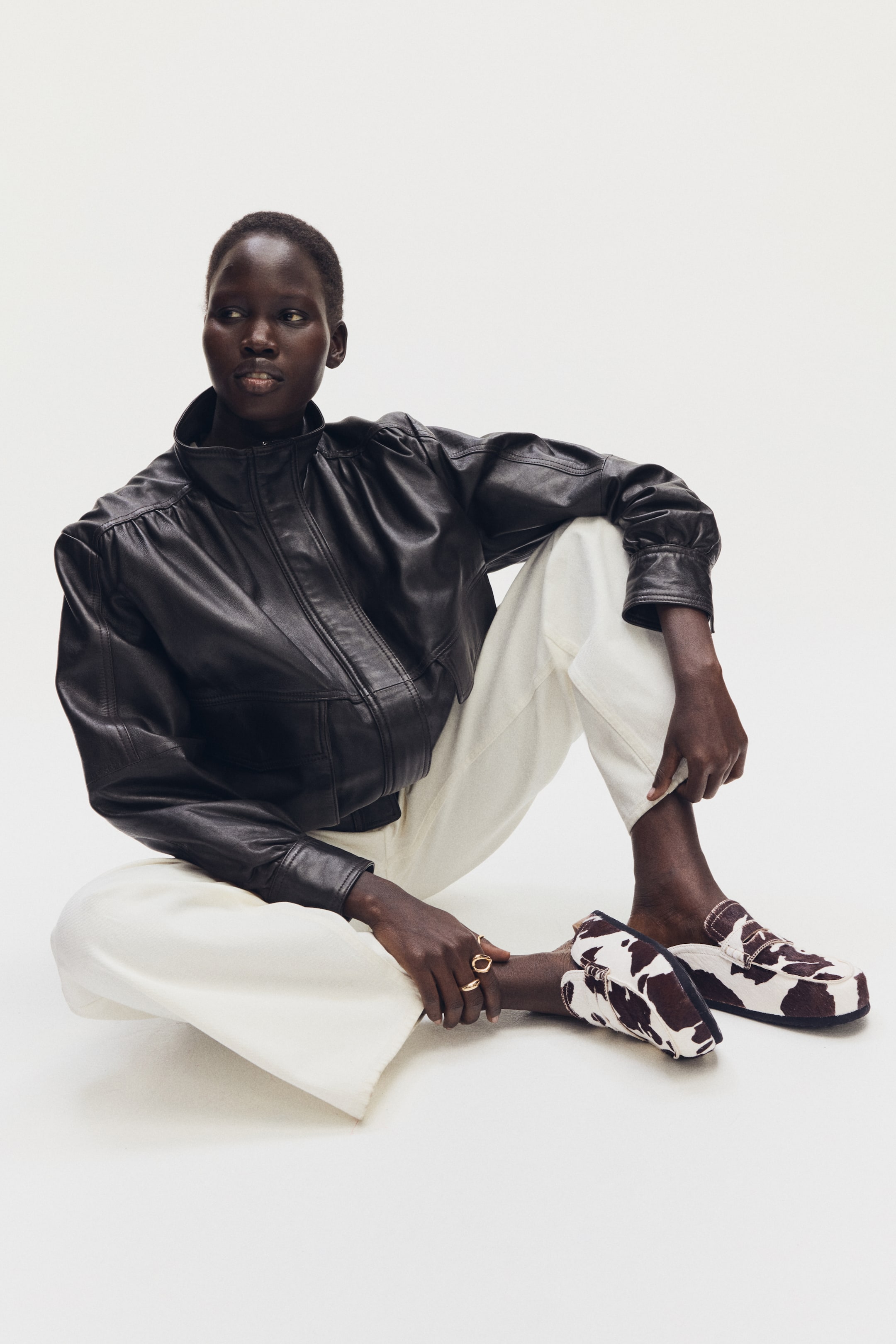
I didn't know I needed a pair of flat clog mules in cow print, until now, that is.
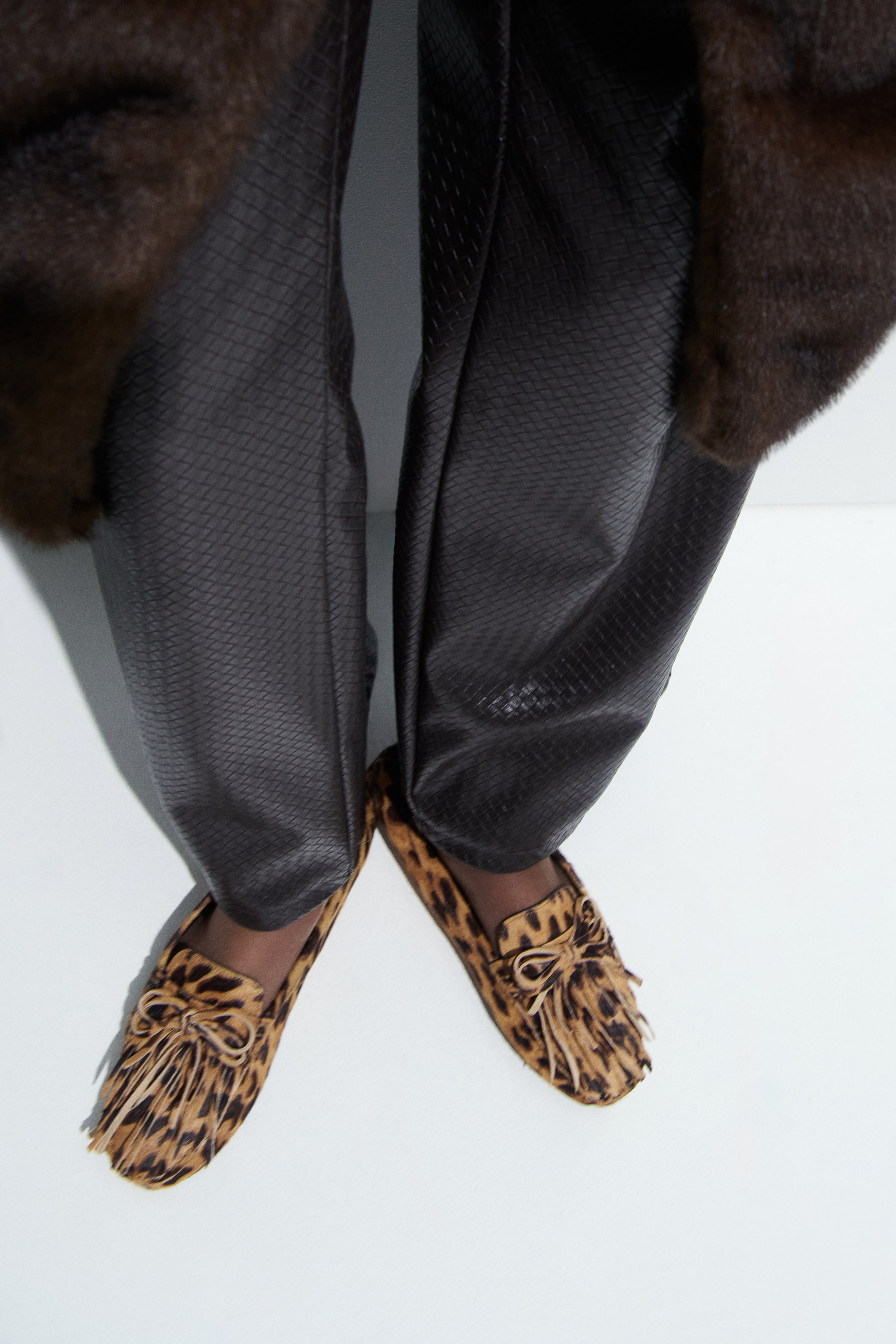
Fringed details were all over the runway and H&M has clearly listened.
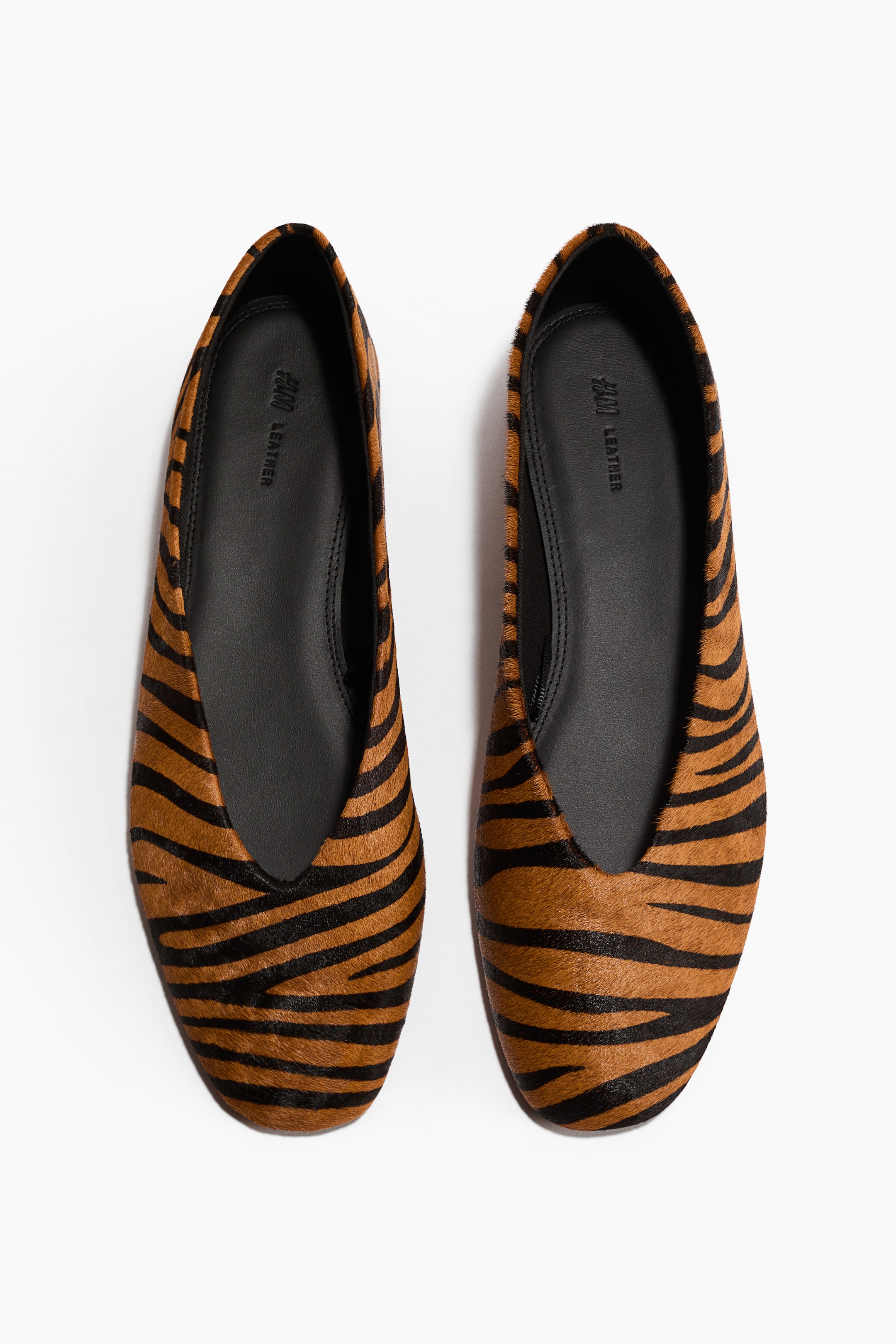
I would go for an all-white outfit and let these stand out.
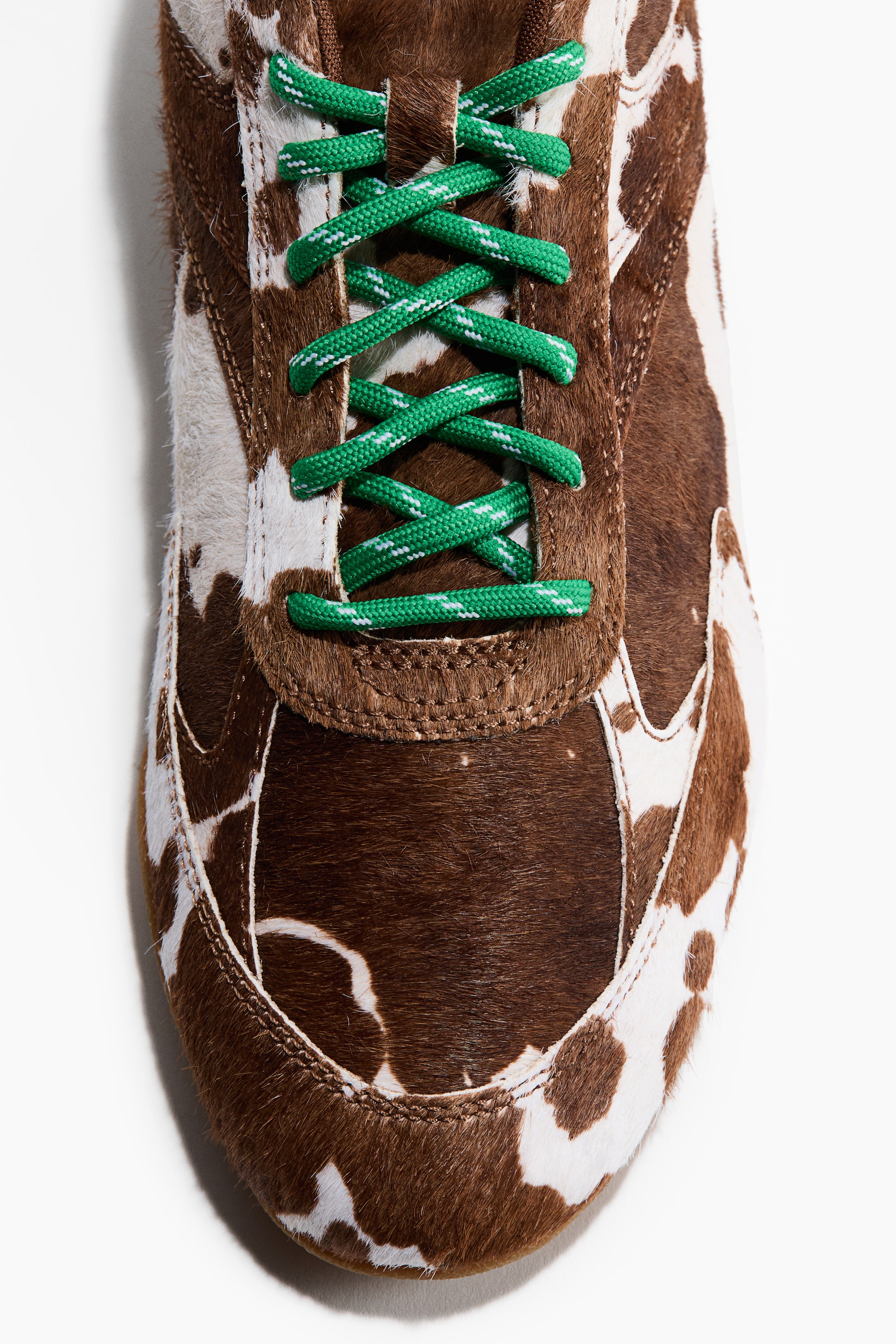
Statement kicks will always add a talking point.
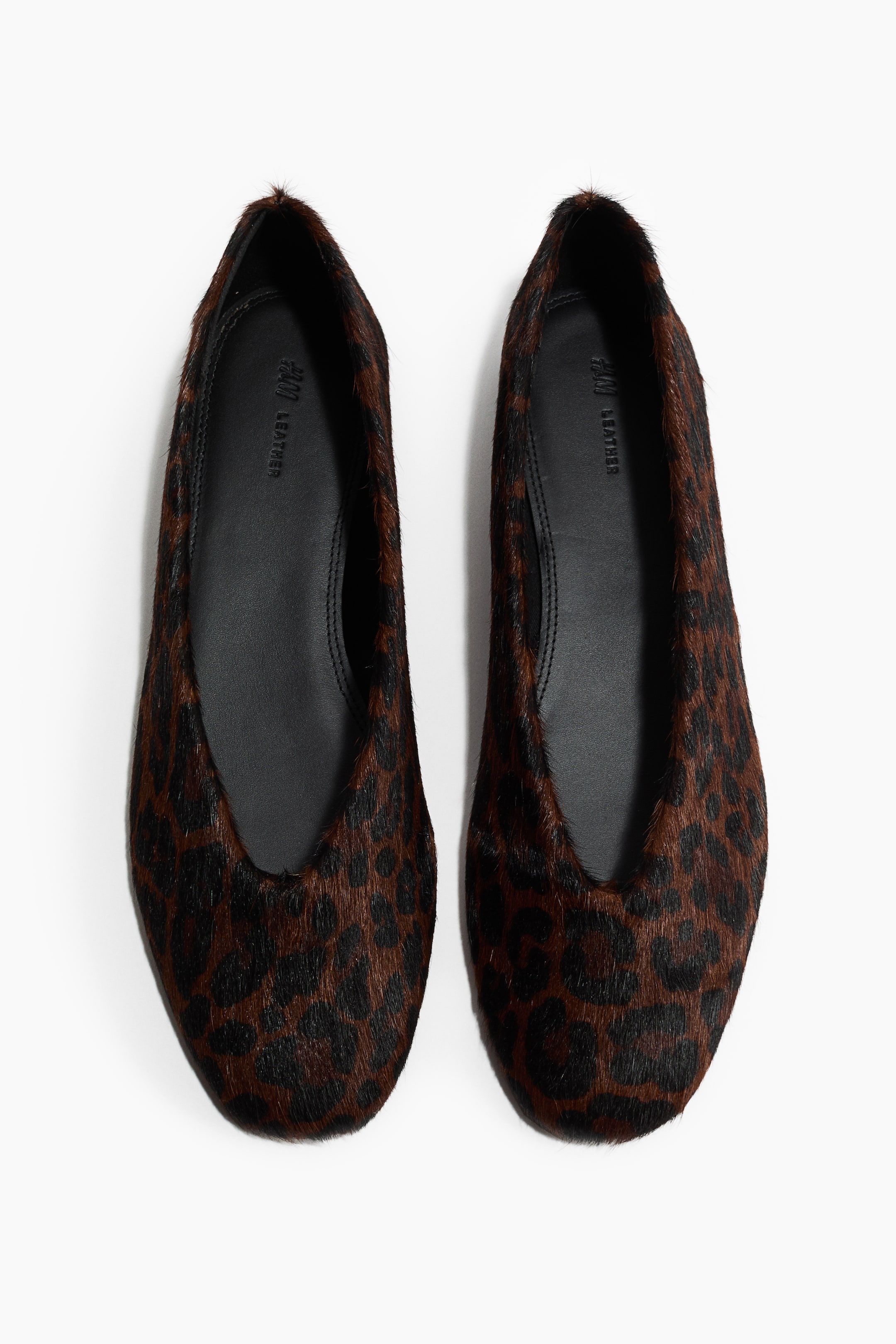
Effortless with ecru denim.
6. Make It A Mule
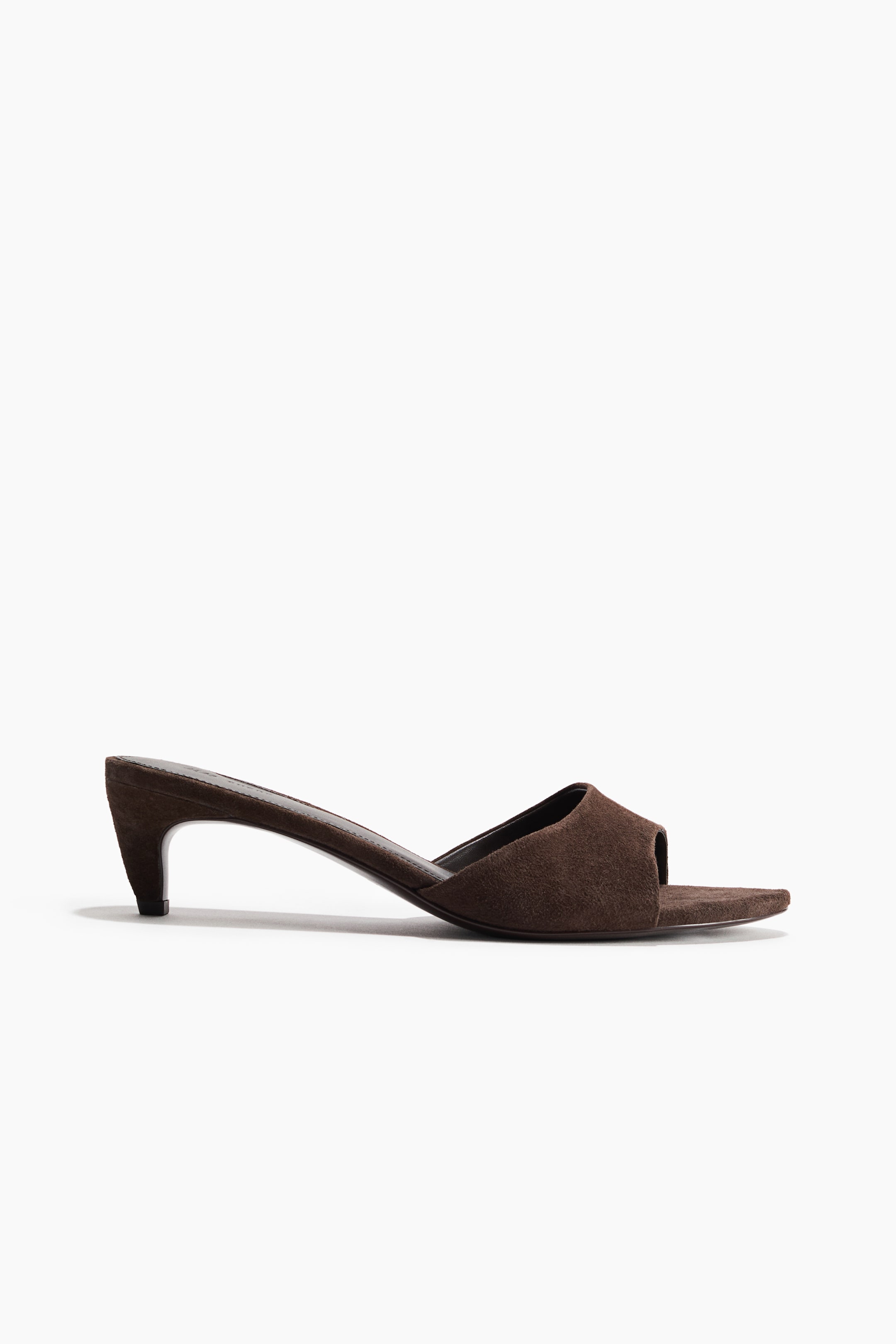
Just imagine these with baggy jeans and a 'nice top'.
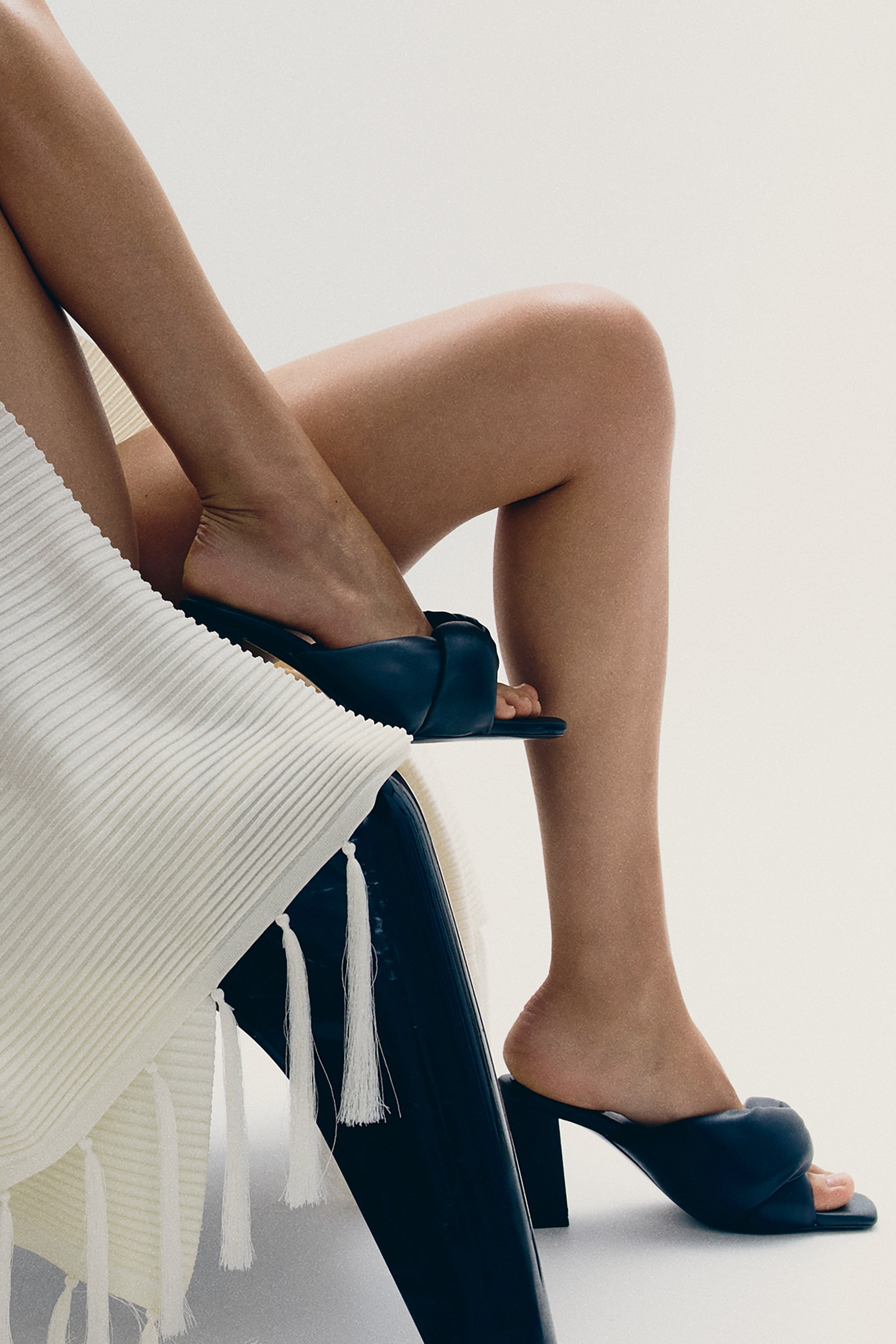
So squishy.
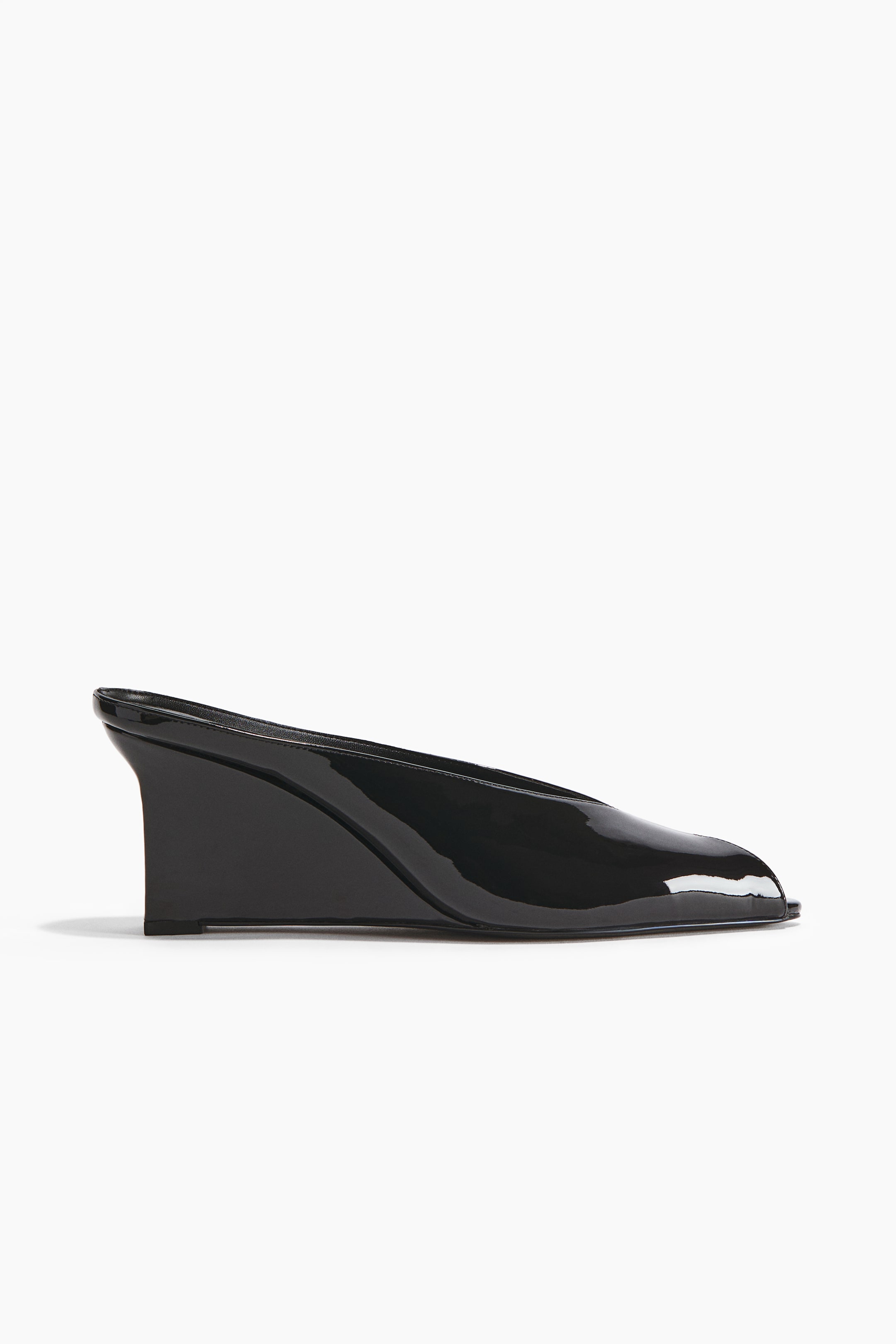
A wedge, patent peep-toe mule—such a throwback, but I'm into it.
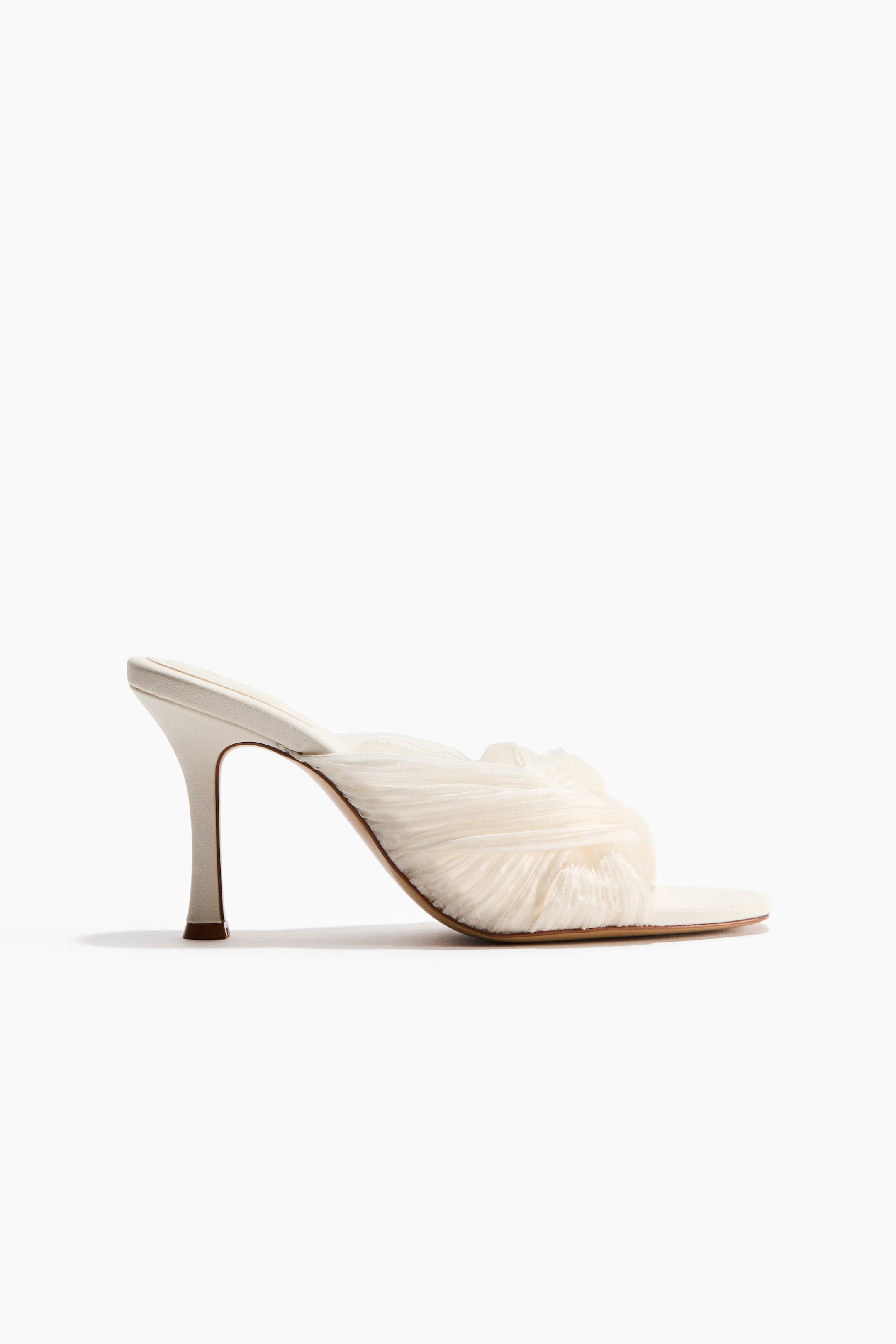
Brides-to-be, pay attention to these.
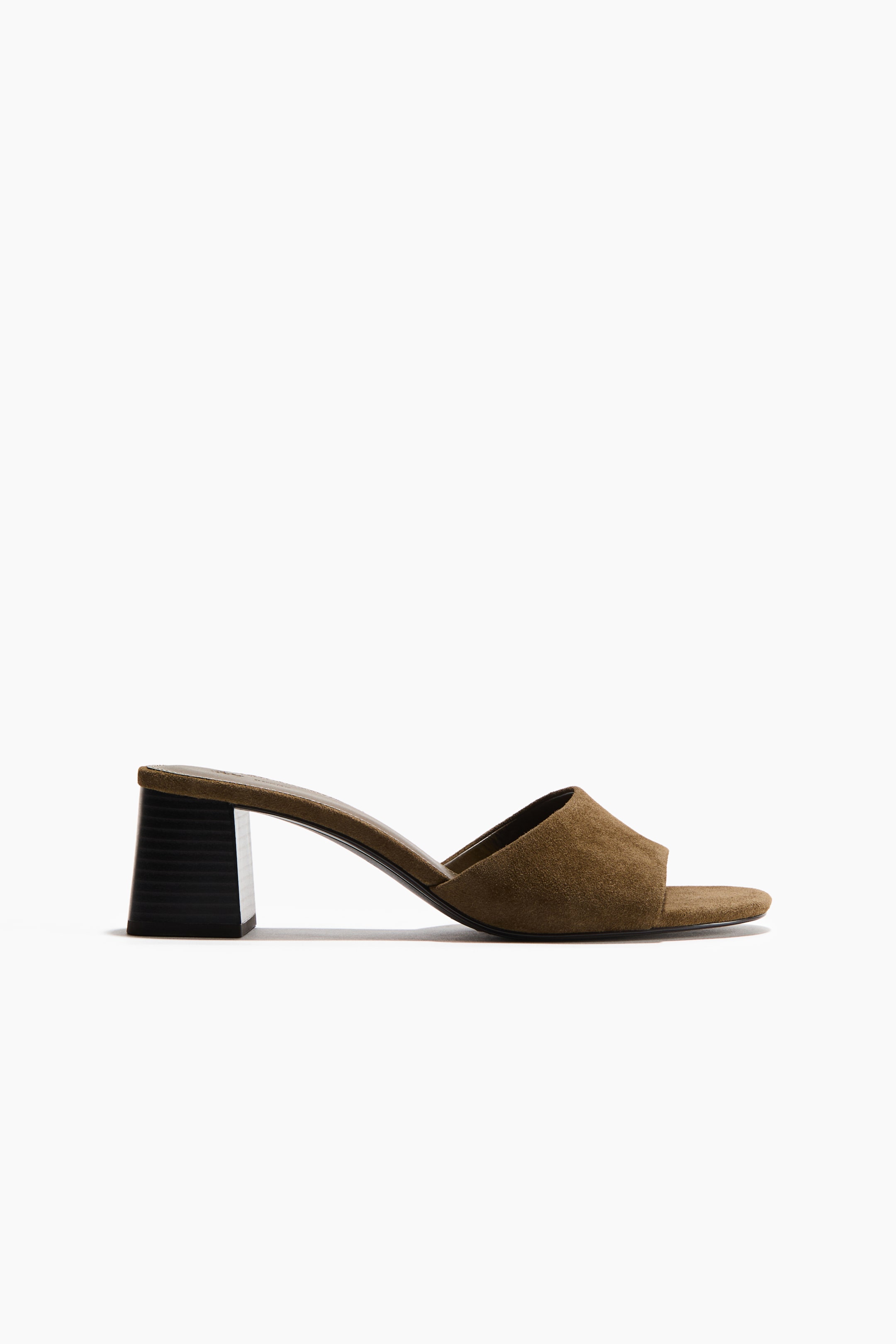
Khaki will go with quite literally any outfit.