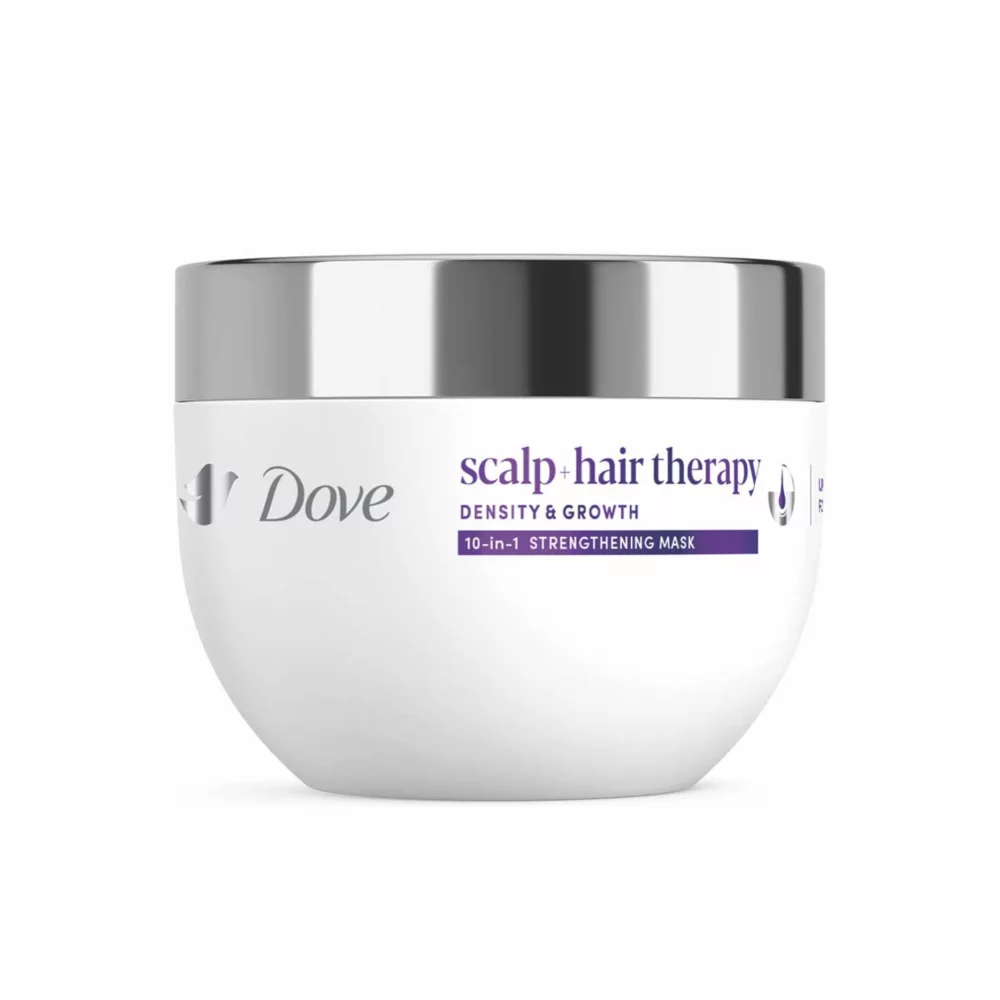
The beauty landscape has long been governed by the perception that price directly correlates with quality, a notion consistently challenged by those in the know. The recent piece highlighting a beauty director’s emptied products, spanning a remarkable range from a £5 hair mask to a £200 serum, is a welcome reaffirmation of this reality. It speaks to a broader shift in consumer consciousness, one where savvy shoppers are prioritizing efficacy and ingredients over inflated price tags. This echoes a sensibility we’ve observed across fashion, as demonstrated in our recent exploration of Preppy Is Back, But Not How You Know It—How Fashion’s Chicest Are Wearing It This Summer, where heritage aesthetics are being reimagined with a modern, accessible lens. The essential message is clear: discerning consumers are no longer beholden to the allure of exclusivity; they seek tangible results, regardless of the brand’s prestige.
The beauty director’s endorsement underscores the power of informed recommendations. Her firsthand experience lends considerable weight to the argument that affordable alternatives can, and often do, rival their luxury counterparts. This isn't about dismissing high-end beauty entirely – the allure of heritage brands and expertly crafted formulations remains undeniable. However, it's a necessary reminder that the "investment" in a product shouldn't solely be based on its price point. It’s a nuance also reflected in the enduring appeal of classic styles, like those showcased in our piece on It's Already Autumn in Kate Middleton's Wardrobe—This is the Classy Colour Combination We'll All Be Copying Soon, where timeless elegance transcends fleeting trends and exorbitant costs. The beauty director’s approach—a curated mix of high and low—is a testament to the evolving priorities of the modern consumer.
The rise of this “high-low” beauty philosophy is inextricably linked to the democratization of information. Social media and online reviews have empowered consumers to conduct their own research and share their experiences, dismantling the traditional gatekeeping role of beauty editors and retailers. This transparency allows for a more nuanced understanding of product performance, fostering a community of informed shoppers who are less susceptible to marketing hype. The luxury market, too, is responding to this shift, with brands increasingly focusing on demonstrable efficacy and ingredient innovation to justify their premium pricing. The occasional, coveted prize - like the Chanel bag discussed in Finally got one! Impromptu/ Surprise - Not the maxi but still! @CHANEL #shorts #chanelbag #luxury – continues to hold a certain allure, but it’s no longer the sole determinant of a fulfilling beauty routine.
Ultimately, the beauty director’s curated empties list isn't simply a list of recommended products; it’s a declaration of a new era in beauty consumption. It signals a move away from conspicuous spending and towards a more considered, results-driven approach. The question now is, how will brands – both luxury and drugstore – adapt to this evolving landscape? Will we see a continued blurring of lines between high-end and accessible beauty, with a greater emphasis on ingredient transparency and demonstrable efficacy across all price points? Or will the allure of exclusivity and aspirational branding ultimately prove too powerful to resist? The coming years will undoubtedly reveal whether this shift towards a more pragmatic approach to beauty is a fleeting trend or a lasting revolution.