Our Take: Nourishing the Body When It Turns Against Itself
Living with lupus means navigating a body that occasionally misfires. The chronic autoimmune condition, where the immune system mistakenly attacks healthy tissue, demands a nuanced approach to everyday life—and nutrition sits at the center of that conversation. Understanding what to eat when you have lupus isn't about following a restrictive diet; it's about curating a lifestyle that supports the immune system rather than inflaming it. For those unfamiliar with the condition, What Is Lupus? An MD Breaks Down the Autoimmune Condition provides essential context on how this complex disease manifests and why dietary awareness matters. The connection between what we put on our plates and how our bodies respond is neither random nor trivial—it's foundational.
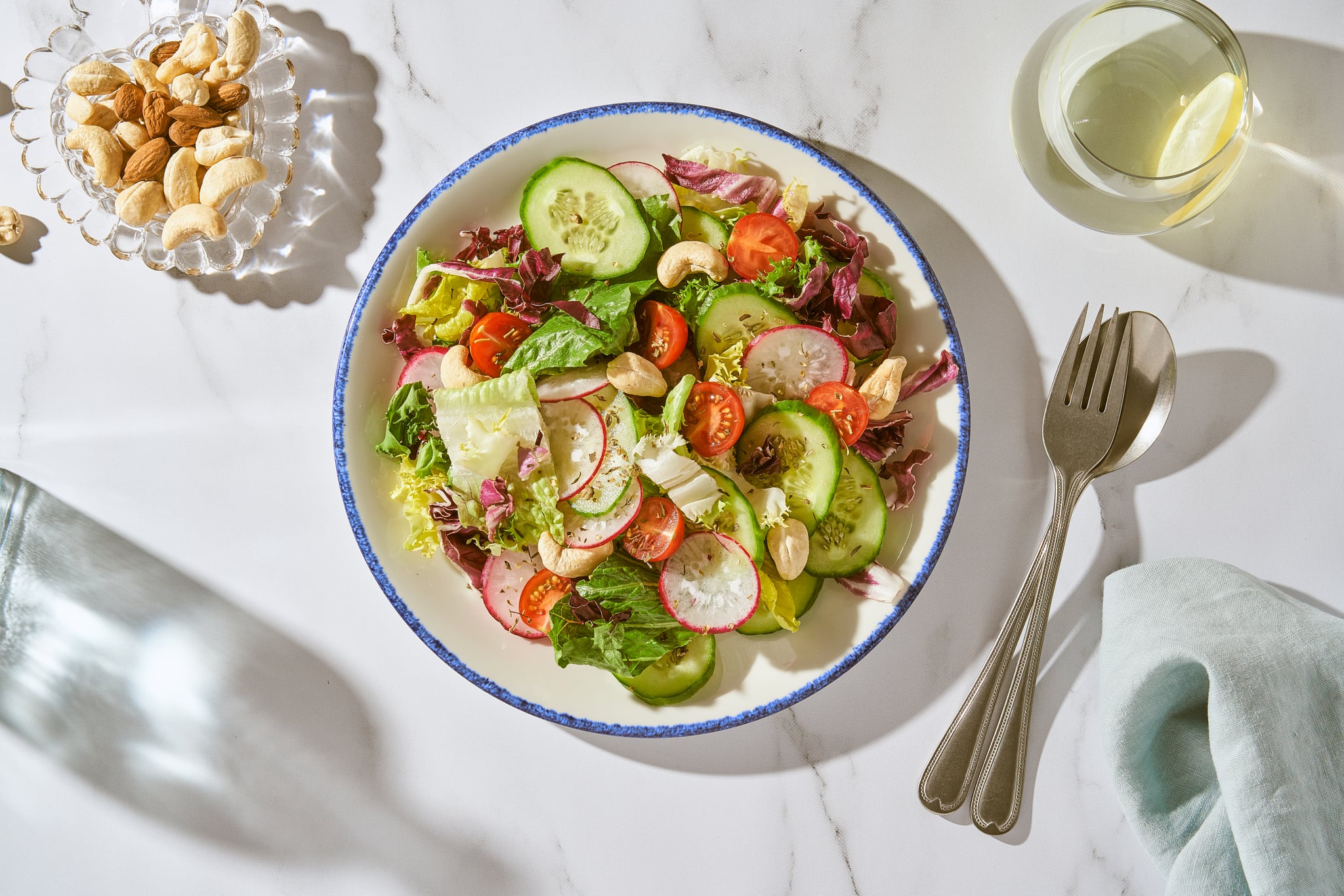
The expert guidance emerging on lupus and nutrition centers on anti-inflammatory principles. Omega-3 fatty acids found in fatty fish, walnuts, and flaxseed offer measurable benefits for taming systemic inflammation. Colorful fruits and vegetables rich in antioxidants become non-negotiable staples, not optional additions. Meanwhile, processed foods, excess sugar, and certain saturated fats can act as triggers, potentially exacerbating flare-ups. This isn't about deprivation—it's about intentional eating that respects the body's heightened sensitivities. The details do the talking: a plate built with purpose yields results that speak for themselves.
What makes this conversation particularly relevant extends beyond those already diagnosed. For the fashion-forward, wellness-conscious audience that values curated experiences and elevated living, understanding autoimmune health reflects a broader commitment to self-knowledge. Modern muse energy isn't just about what we wear or where we travel—it's about how we care for ourselves at the most fundamental level. The body is, after all, the only permanent residence we inhabit. Treating it with the same discerning eye we apply to selecting pieces for a timeless wardrobe just makes sense.
The practical takeaway is straightforward: work with healthcare professionals to identify personal triggers, prioritize whole foods with proven anti-inflammatory properties, and approach eating with the same intentionality we bring to other aspects of a well-curated life. There is no one-size-fits-all solution, but there is power in informed choices. As research continues to evolve, the question worth watching is how personalized nutrition protocols might become more accessible—and how the conversation around autoimmune health will continue to destigmatize chronic illness while empowering those affected to live with confidence and clarity.