Off to explore the souks 🫖
Our take
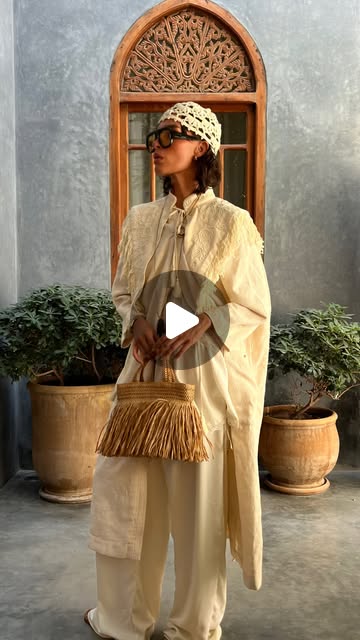
The allure of the souk, a labyrinthine marketplace brimming with sensory overload, has long held a potent fascination for the discerning traveler. This simple image—a glimpse into the heart of a vibrant, ancient trading system—resonates far beyond a mere snapshot of a destination. It speaks to a deeper desire for authentic experiences, for stepping outside the predictable itineraries of luxury travel and engaging with a culture on its own terms. Our recent exploration, captured in this image and shared alongside recent dispatches like [Evening in the agafay desert 🏜️] and [Adding detail with accessories on the riad balcony before dinner 🧷], underscores this shift. It’s a move away from the polished, often sterile environments of high-end resorts and towards embracing the raw, unfiltered beauty of lived-in spaces. The inclusion of the teacup emoji is particularly telling; it’s not just about the market itself, but the ritual of pausing, observing, and absorbing the atmosphere with a quiet sense of mindfulness.
The significance of this shift within the luxury travel landscape is considerable. For years, the industry has been defined by exclusivity, impeccable service, and a certain degree of detachment from local culture. While those elements remain valuable, there’s a growing awareness – particularly among a younger, more globally conscious demographic – that true luxury lies in connection. It’s about experiencing places with depth, understanding their history and traditions, and engaging with the people who call them home. The souk, with its chaotic beauty and relentless energy, offers precisely that kind of immersion. It's a tangible link to centuries of commerce and cultural exchange, a place where the mundane and the extraordinary coexist in a vibrant, often overwhelming, harmony. This isn’t about seeking out the “best” souvenirs, but about the process of discovery itself, the unexpected encounters and the quiet moments of observation. The recent exploration of [life in landscape] further highlights this appreciation for organic beauty and authentic engagement.
The curated nature of our own presentation of these experiences is key to understanding their appeal. We’re not simply documenting a trip; we’re crafting a narrative that emphasizes intentionality and mindful exploration. The image itself is carefully composed, hinting at a sense of discovery while maintaining an air of effortless style. This reflects the modern muse’s approach to travel: seeking out unique experiences without sacrificing personal elegance or a sense of refined taste. It’s about embracing the unexpected, but doing so with an eye for detail and a commitment to quality. The juxtaposition of the bustling souk with the more tranquil scenes of a riad balcony, as illustrated in [Adding detail with accessories on the riad balcony before dinner 🧷], speaks to this balance – the ability to find beauty and serenity within a dynamic and sometimes overwhelming environment.
Looking ahead, it's clear that this desire for authentic, culturally rich travel experiences will only intensify. The souk, and places like it, will become increasingly important destinations for those seeking something beyond the conventional luxury vacation. The question is, how can the travel industry—and indeed, luxury brands in general—best facilitate this shift while respecting the integrity of the cultures they engage with? Will we see a rise in small-group tours led by local experts, or perhaps a greater emphasis on sustainable tourism practices that benefit the communities that host these experiences? The future of luxury travel may very well lie in the ability to navigate these complex questions with sensitivity, respect, and a genuine appreciation for the world's diverse cultures.
Read on the original site
Open the publisher's page for the full experience