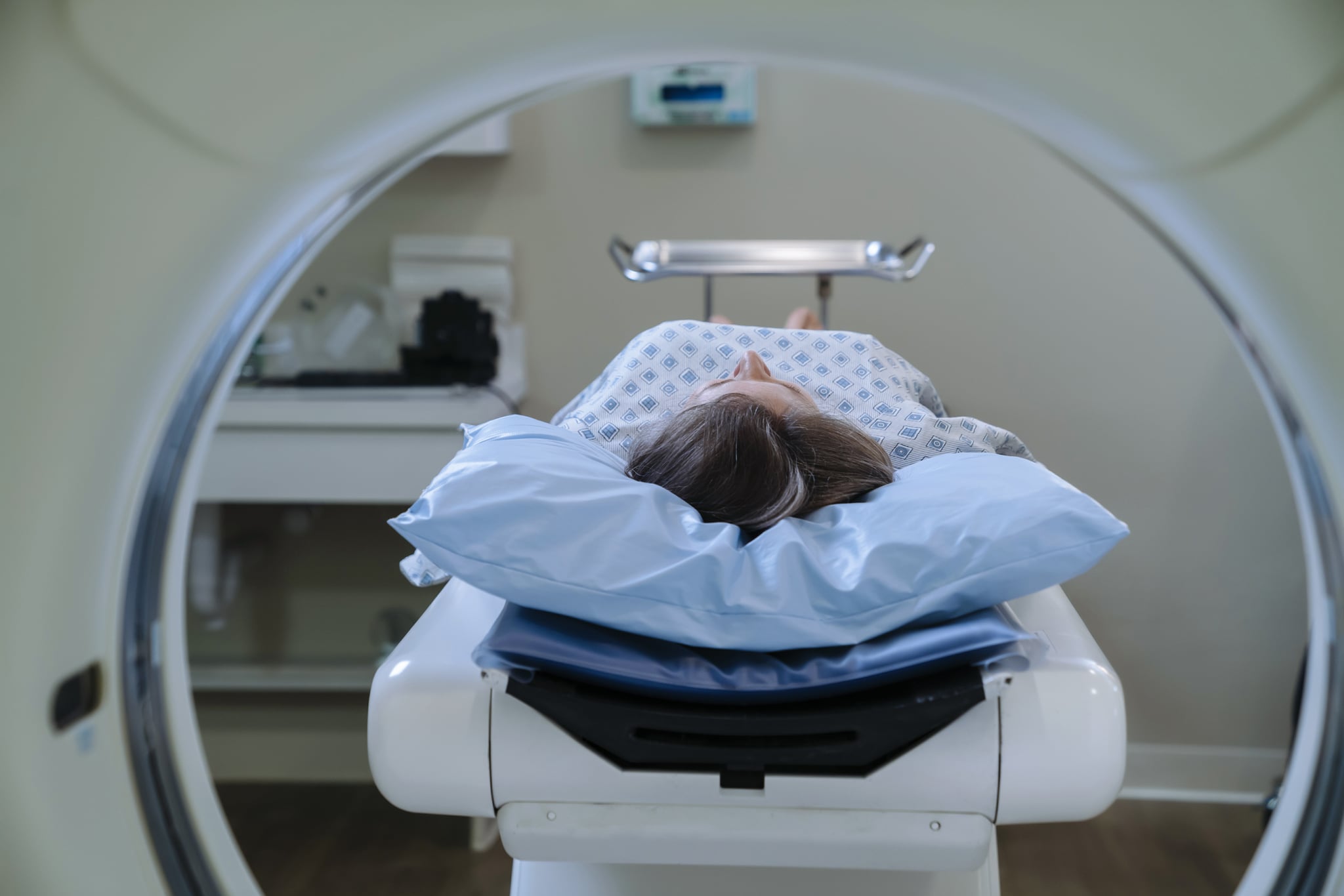
The scan is not the test. The year after diagnosis is. Ali Heitz walked into that MRI machine believing she had already done the hard part, the treatments, the waiting, the slow return to normal life. What she found instead was that the body heals faster than the mind. This is the truth no one prepares you for, and it deserves a far more honest conversation than it usually gets.
Scanxiety, the term coined in 2011, names what too many women suffer in silence: the visceral dread that descends before, during, and after a routine cancer scan. It is not weakness. It is the memory of trauma encoded in the nervous system. Heitz describes being "transported back" to the week of diagnosis, reliving the fear as if no time has passed. Clinical psychologist Chloe Carmichael, PhD, and oncologist Irene Morae Kang, MD, confirm what patients already know, the anxiety can be about the physical discomfort of the scan itself, or it can be a deeper dread of recurrence. For breast cancer survivors, the stakes are especially high: scans come every three months for those with advanced disease, and the risk of recurrence never fully disappears. This is not a moment to power through with gritted teeth. It is a moment to apply the same intentionality you bring to Effortless Arrival: The Art of Timeless Style and Intentional Punctuality. Just as you curate your arrival, you must curate your calm.
The practical takeaway is specific and actionable: treat scan day as a ritual, not an ordeal. Heitz uses meditation and breathwork. She sits with the emotion rather than compartmentalizing it. Sheree Santos, a two-time survivor, relies on Pilates, yoga, and laughter with friends. Carmichael recommends thought replacement, a script you repeat to yourself: *I am strong. I am healthy. This scan confirms what is already true.* That script matters because your inner monologue shapes the experience. If the anxiety stems from the appointment itself, bring a loved one, schedule a massage beforehand, or watch something that redirects your attention. If it runs deeper, speak to a mental health professional. And tell your doctor. As Dr. Kang notes, oncologists want to know if you need support before the scan. They cannot help if you do not speak. This is the same principle behind Elevated Skincare: The Curated Guide to Fading Dark Spots: you cannot treat what you do not name.
What stays with us is Heitz's observation that the emotional trauma of cancer is invisible to everyone except the person carrying it. The scan is a moment of truth, but it is also a moment of grace, if you let it be. The question we are left with is not whether the scan will find anything, but whether we will learn to meet ourselves in that machine with the same compassion we would offer a friend. That is the real test, and it comes every time.