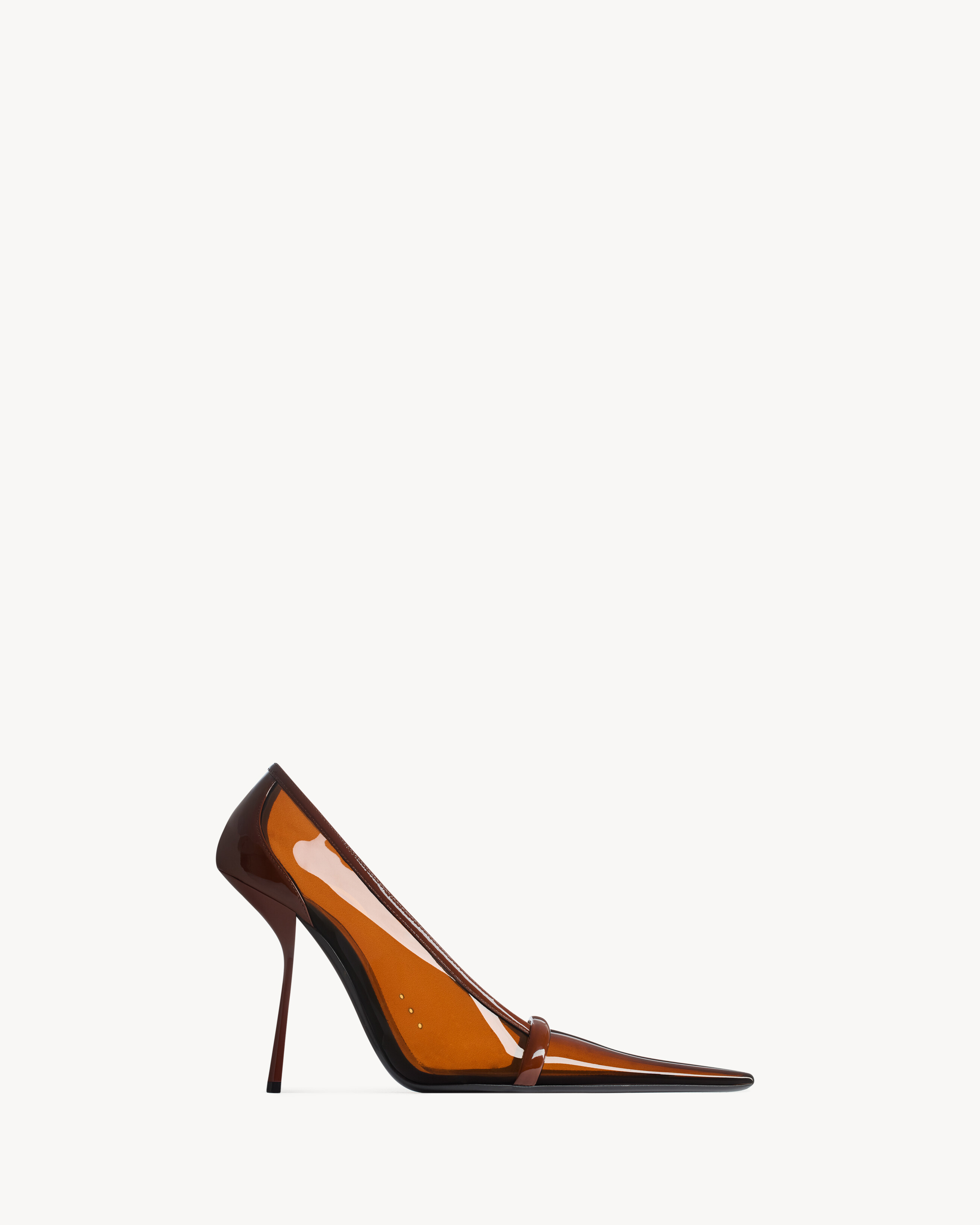
The fashion landscape is perpetually in motion, a dynamic interplay of established codes and disruptive innovation. Recent showings at Paris Fashion Week underscored this, particularly with the emergence of footwear so audacious it provoked a near-universal reaction: bewilderment. Rebecca Rhys-Evans’s “Worn Weird” column, We Now Know What the 7 Biggest Dress Trends of Summer 2026 Are, keenly observed these shifts, and the current controversy surrounding men's footwear exemplifies a broader recalibration of what constitutes acceptable, even desirable, style. These aren't mere seasonal trends; they represent a deliberate questioning of conventional aesthetics, a signal that the established rules are increasingly viewed as invitations for creative subversion, a sentiment further echoed in Kylie Jenner's Latest Summer Looks Confirm These 6 Trends Are Taking Off, where the boundary between playful and polished is increasingly blurred. The "dog" motif, whether literal or metaphorical, serves as a potent symbol of this disruption, a playful rebellion against the seriousness often associated with menswear.
The immediate response—the “barking”—highlights the deeply ingrained expectations we hold regarding footwear. Men's shoes, historically grounded in functionality and understated elegance, have long adhered to a relatively narrow spectrum of acceptable designs. The introduction of overtly fantastical, even nonsensical, silhouettes challenges this established order, forcing a reassessment of what constitutes “good” taste. It's not simply about the aesthetic; it’s about the statement being made. These unconventional shoes aren't intended to seamlessly integrate into a wardrobe; they are designed to provoke, to generate conversation, and ultimately, to assert a sense of individuality. The reaction itself is a crucial component of the design's impact, amplifying the initial intention and solidifying its position as a talking point within the industry.
This isn't the first instance of unconventional footwear capturing attention, of course. The cyclical nature of fashion dictates periodic moments of deliberate absurdity. However, the current iteration feels distinct. It arrives at a moment when menswear is actively grappling with its identity, moving beyond traditional notions of masculinity and embracing a more fluid and expressive approach. These polarizing shoes can be viewed as a natural extension of this evolving landscape, a visual manifestation of the desire to reject rigid constraints and explore uncharted territory. The fact that these designs are emerging from the hallowed halls of Paris Fashion Week, rather than underground subcultures, speaks volumes about the industry’s growing willingness to embrace the unconventional and challenge the status quo. The emphasis shifts from purely functional design to a commentary on the very concept of footwear, deconstructing its purpose and inviting wearers to reconsider its role in personal expression.
Looking ahead, the lasting impact of this trend remains to be seen. Will these outlandish designs become mainstream staples, or will they fade into the realm of niche novelty? Regardless of their longevity, they have already served as a catalyst, prompting a wider conversation about the boundaries of men’s style and the power of footwear to disrupt and redefine. What's particularly compelling to observe is whether this spirit of playful experimentation extends beyond footwear, influencing broader trends in menswear and further blurring the lines between masculine and feminine aesthetics. The question becomes: will designers continue to push these boundaries, or will the industry ultimately seek a return to more conventional forms?