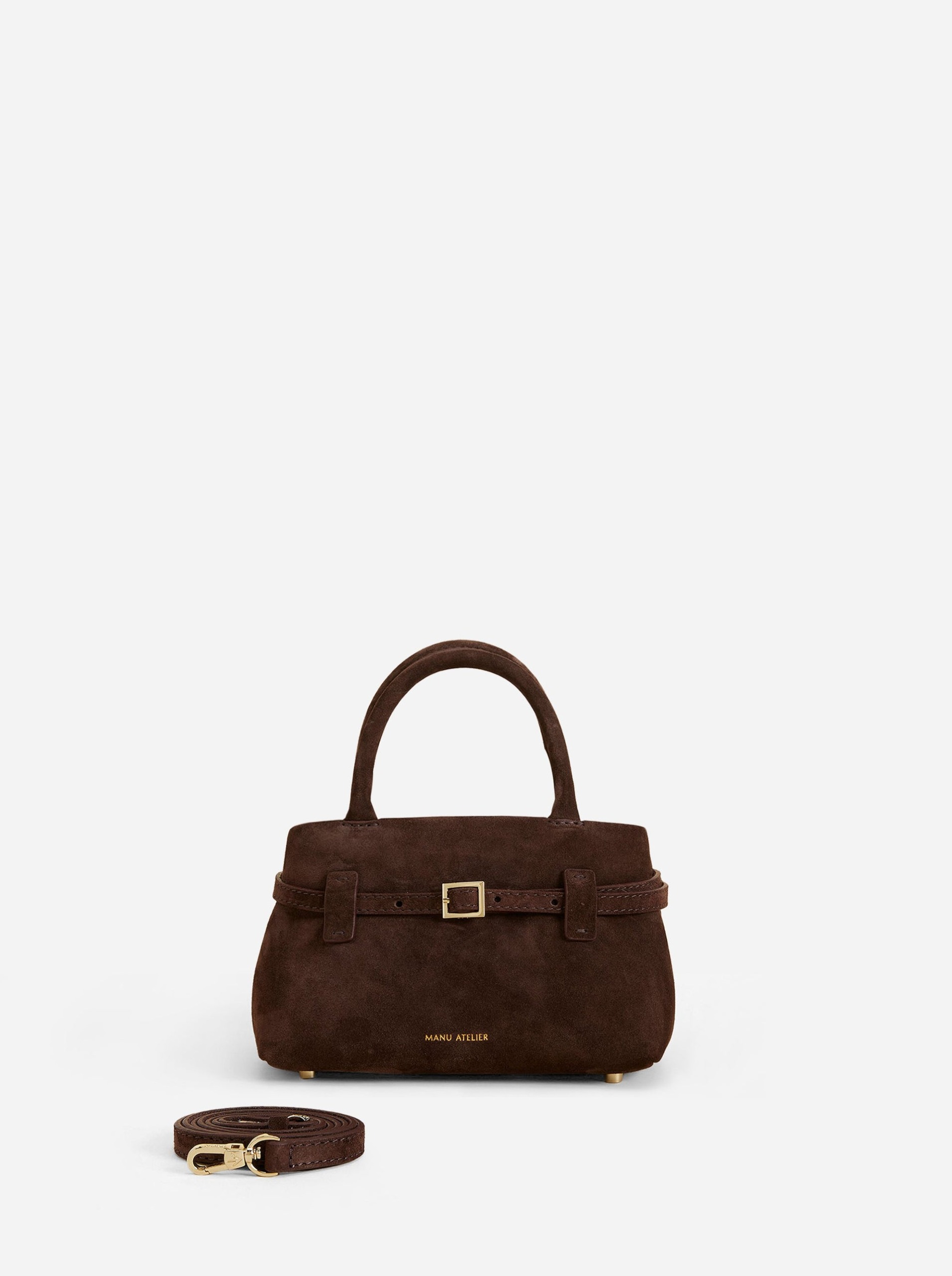
The girl grip is not a trend. It is a confession. For two seasons, fashion has been telling us that polish is passé and that the truly chic woman is always slightly late, slightly disheveled, and carrying everything in her bare hands. But anyone who has actually tried to balance a laptop, a coffee, and a phone while hailing a cab knows that this aesthetic is aspirational only in photographs. So where does that leave the woman who wants to look intentional, not frazzled? The answer, as the runways from Prada to Dior have made clear, is not a bigger bag. It is more bags. For a deeper look at how this moment connects to the broader arc of curated style, read our take on The Seven Winter Shoes That Define Curated Style and the designers reshaping the industry in The New Global Fashion Vanguard Defining 2026's Editorial Eye.
The quiet luxury woman was always prepared. Her tote held an umbrella, a cashmere wrap, and a backup pair of heels. She was a fantasy of control. The girl grip, by contrast, is a fantasy of liberation, the idea that you can just grab your things and go. But liberation without structure is chaos, and the runways have already corrected course. Julie Kegels stacked mini bowling bags over one shoulder. Fendi layered the baguette over a shopping tote. Dior paired a small quilted handbag with a string shopper. The message is clear: you are not meant to choose between scale and style. You are meant to layer them. This is not a return to the ludicrously capacious bag. It is a new logic of intentional scale, where each piece has a purpose and the combination tells the story.
What this means in practice is that the capsule wardrobe has been updated. The single hero bag is no longer the goal. The goal is a system of small, deliberate carriers that move with you through the day. The Manu Atelier Le Cambon 20 is a baby version of the laptop-ready 40. The Loewe Mini Amazona arrives unzipped, as if you just stepped off a train. The Bottega Veneta Baby Barbara Tote is named for what it is: a smaller, lighter version of a classic. These are not novelty pieces. They are responses to a real question: how do I carry my life without looking like I am struggling to do so? The answer is to distribute the load across multiple objects, each one chosen with the same rigor you would apply to a single investment piece.
The most telling detail from the collections is not the size of the bags but the way they are worn. Unzipped. Doubled up. Thrown over a shopping tote. The implication is that preparation is out and improvisation is in, but only if that improvisation looks deliberate. The woman who stacks two mini bags over her shoulder is not unprepared. She is curating her chaos. That is the real takeaway: the girl grip was a reaction against the rigidity of quiet luxury, but the next phase is not a return to order. It is an elevation of the messy, the layered, and the intentional. Watch how the mini bag stacks evolve from runway to street. The women who master this will not be carrying less. They will be carrying smarter.