Zara Puts the Professional Wardrobe Back to Work
Our take
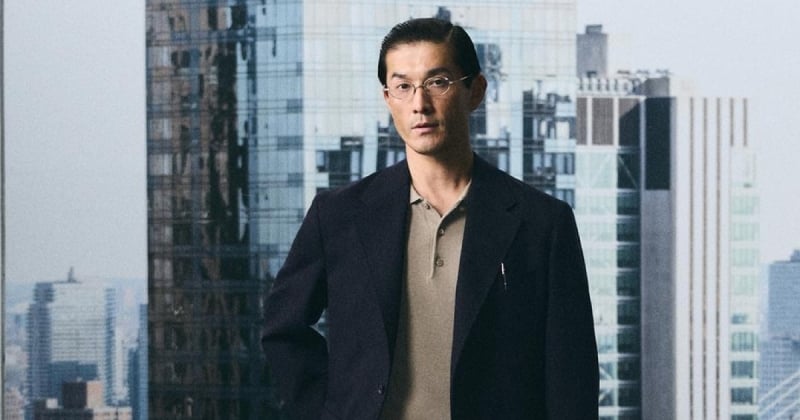
The cyclical nature of fashion is undeniable, and Zara’s recent campaign, spotlighting a return to office classics, feels particularly resonant in the current cultural landscape. After years of prioritizing comfort and casualization, spurred by remote work and a shift in societal priorities, the pendulum is subtly swinging back. This isn’t a wholesale rejection of the relaxed aesthetic, but rather a recalibration towards a more polished and purposeful approach to dressing. The collaboration with Daisuke Ueda and John Armstrong underscores this shift, presenting a collection rooted in timeless silhouettes and refined tailoring. It’s a logical progression, aligning with the broader industry trend of revisiting heritage styles – a trend we’ve observed in Kith’s exploration of American style Kith Takes the Long View on American Style, where workwear, sportswear, and collegiate influences converge to create an ageless wardrobe. The understated elegance of the Zara campaign speaks to a desire for intentionality, a move away from fleeting trends and towards pieces that project competence and confidence.
The key here isn't a slavish adherence to outdated corporate norms, but a modern interpretation of professional dressing. We’re seeing a move beyond rigid suits and towards more flexible combinations—the navy blazer over a polo shirt, the tailored trousers paired with a crisp button-down. This aligns with Kestin’s recent collection Kestin Keeps Outdoor Style Grounded for Fall 2026, which champions outdoor classics with an everyday sensibility—a sense of practicality and enduring style informs both approaches. Zara’s offering feels less about conforming to a specific dress code and more about cultivating a personal brand of quiet authority. It’s a recognition that even as work environments evolve, the need to project professionalism and attention to detail remains. The emphasis on quality fabrics and considered details – the cut of the blazer, the weight of the trousers – further reinforces this notion of elevated essentials. This echoes the sentiment in "The Chicest People I Know Are Already Wearing Autumn’s Coolest Colour Combination" The Chicest People I Know Are Already Wearing Autumn’s Coolest Colour Combination, demonstrating a focus on simple, elegant choices that transcend fleeting trends.
What’s particularly noteworthy is Zara’s accessibility in bringing this aesthetic to a wider audience. While luxury brands have long championed tailored separates, Zara democratizes the trend, making it attainable for those seeking to refine their personal style without a significant investment. This strategic positioning is crucial; it acknowledges the evolving needs of the modern consumer—someone who values both quality and affordability. The campaign's visual language, featuring clean lines and sophisticated settings, further enhances the aspirational appeal. It's not about ostentatious displays of wealth, but about a quiet confidence that comes from dressing well and presenting oneself with intention. The choice of Daisuke Ueda, known for his effortlessly chic personal style, as the face of the campaign further reinforces this message – a modern muse embodying the brand's aesthetic.
Ultimately, Zara’s return to office classics signals more than just a fleeting trend; it represents a broader shift in consumer priorities. We're witnessing a resurgence of appreciation for timeless pieces, well-made garments, and a deliberate approach to personal style. The question now is whether this renewed focus on professionalism will extend beyond the workplace and influence broader lifestyle choices, or if it will remain a distinct trend within the fashion landscape. Will we see a continued elevation of everyday essentials, or will the pendulum continue to swing, embracing even more casual and expressive forms of dressing?
Read on the original site
Open the publisher's page for the full experience