Turkey Seeks Iran’s Approval For Safe Passage Of 11 Ships Stuck In Strait Of Hormuz
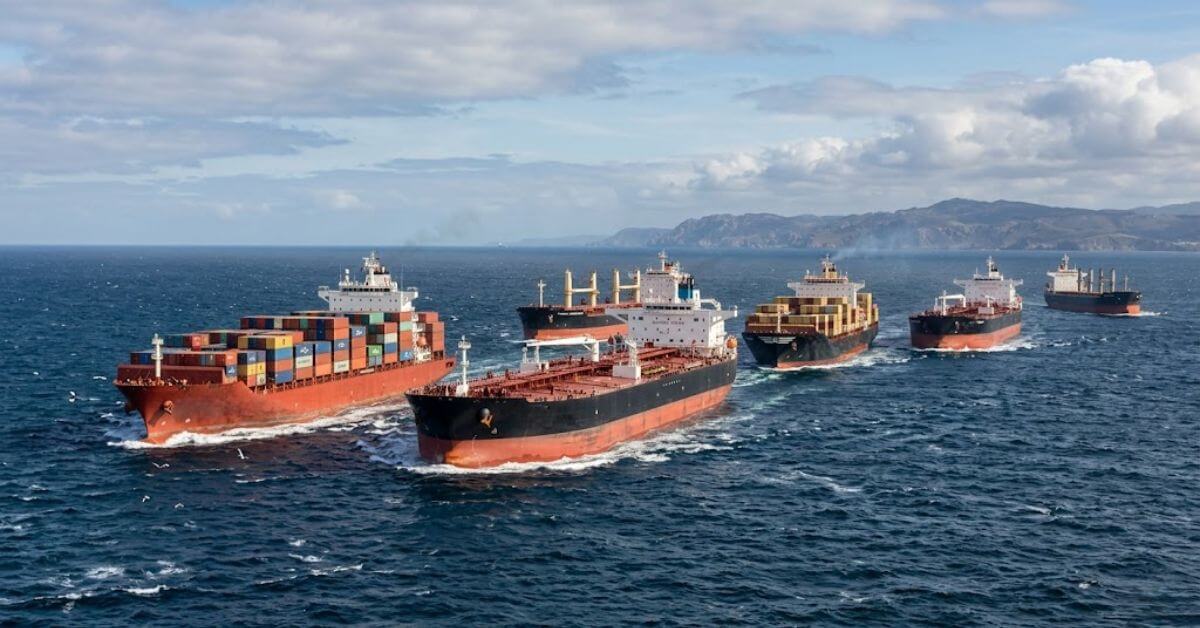
Turkey is in talks with Iran to secure permission for 11 Turkish-owned ships to pass through the Strait of Hormuz, where vessel movement has been restricted since the war began on February 28.
Transport Minister Abdulkadir Uraloğlu said 14 Turkish-owned ships are currently in the region. Three of them are not seeking to leave as they are involved in ongoing operations, including power generation.
The remaining ships are waiting for clearance, and discussions with Iranian authorities are still ongoing.
He said Turkish officials are in constant contact with the crews and captains of all vessels. According to him, there are no humanitarian issues on board, and the situation is being closely monitored.
He added that coordination is taking place with the foreign ministry to arrange the departure of the ships, but no evacuation has been possible so far.
Passage through the strait is now largely dependent on approval from Iran. Since the conflict started, only one Turkish-owned ship has been allowed to pass, and that was because it had previously called at an Iranian port.
The Strait of Hormuz handles nearly one-fifth of the world’s oil and gas supply. Since early March, movement through the route has dropped sharply. Apart from oil and gas, shipments of chemicals, metals, vehicles and other goods have also been affected.
Data from maritime intelligence firm Pole Star Global showed that 3,208 vessels were still signalling their presence in and around the Gulf as of March 20. These include bulk carriers, crude and product tankers, container ships and other vessels carrying cargo worth billions of dollars.
Some ships from other countries have managed to pass in recent weeks. Reports indicate that a few Indian LNG tankers and several Chinese-linked vessels were allowed through.
Pakistan has also received approval for around 20 of its vessels, although it is not clear how many have completed the transit. At least one Pakistani tanker crossed the strait in mid-March.
The situation has also affected oil prices. Brent crude has risen by about 42% since the war began, though prices eased slightly after Donald Trump said the United States could step back from the conflict within two to three weeks.
Recep Tayyip Erdoğan said the risk of the conflict spreading across the region is increasing. He pointed to rising attacks on energy, transport and civilian infrastructure as a growing concern.
The restrictions in the Strait of Hormuz continue to impact global shipping, with many vessels still waiting for clearance to move through one of the world’s busiest trade routes.
References: Bloomberg, AA
Want to read more?
Check out the full article on the original site