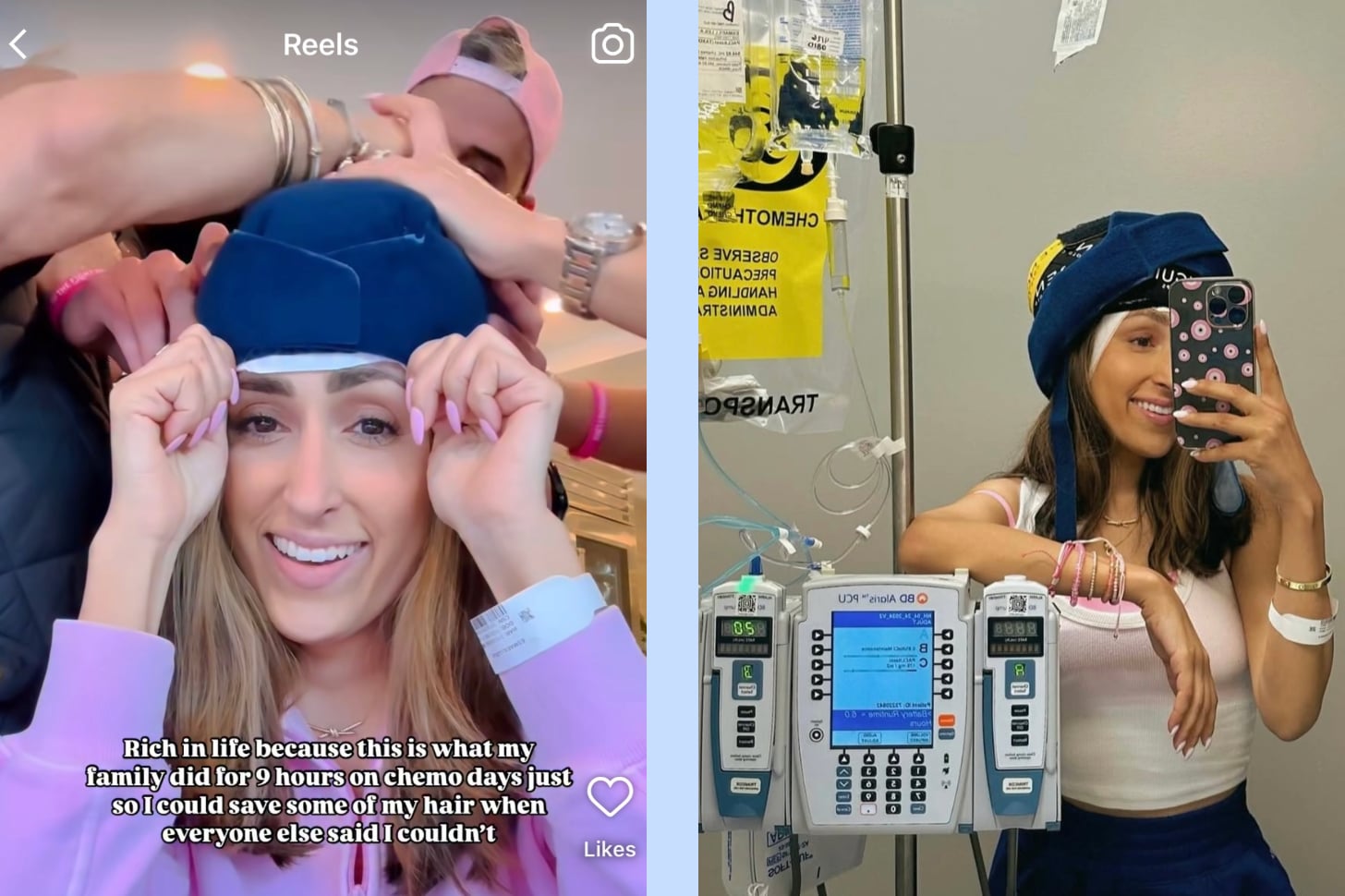
Health is the one story we all carry, but few of us know how to tell. Leila Esmaeili, a dermatology physician assistant diagnosed with triple-negative breast cancer at 31, chose to share hers with the world, not out of obligation, but out of intention. Her decision to document the diagnosis, the cold-capping, the chemo updates, and the surgery check-ins on TikTok and Instagram is a masterclass in curated vulnerability. It echoes the quiet resolve we saw in One Year After Diagnosis, the Scan That Tests More Than Medicine, where the test is as much about emotional endurance as it is about medical results. Esmaeili's story proves that the private self, when navigated with purpose, becomes a powerful public asset.
The duality here is unavoidable. Social media offers community, Esmaeili found answers to her questions within seconds from other women in the breast cancer community, but it also invites unsolicited advice and the occasional "eat kale" troll. She blocks them and moves on. That's not arrogance; that's editorial control over one's own narrative. For our audience, the takeaway is clear: sharing your health story is not an invitation for debate. It is a choice. Esmaeili's "why" is to make the path less scary for those who follow, and she does it without self-deprecation or long explanations. She states the facts, posts the updates, and lets the details do the talking. It is the same disciplined energy we admired in The Art of Losing Well: Ben Shelton on Resilience and a Modern Muse's Lesson, where losing is reframed not as failure but as a lesson in composure.
What makes Esmaeili's approach resonate is that she never pretends the journey is effortless. She acknowledges the fear, she avoided #CancerTok at first because it scared her, but she posts anyway. That is the modern muse's discipline: to act with intention even when the outcome is uncertain. For readers navigating their own health narratives, the question is not whether to share, but how. Esmaeili's method is a template: post with purpose, block the noise, and let your story serve those who need it most. The specific consequence? She has turned a private diagnosis into a public archive of resilience, one that now reaches 1.5 million strangers who no longer feel quite so alone.