Demna’s Gucci Primavera Finds Its Leading Men
Our take
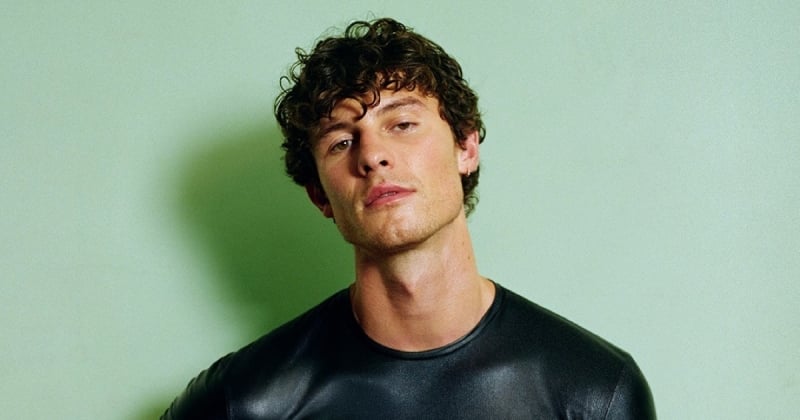
Demna’s arrival at Gucci has been anticipated with a palpable buzz, and the unveiling of his debut Primavera campaign featuring a constellation of male talent confirms the shift is deliberate and impactful. Shawn Mendes, Jin, Tom Brady, Xiao Zhan – the roster reads like a curated list of global icons, each possessing distinct appeal and a demonstrated ability to transcend traditional notions of masculinity. This isn’t simply about casting recognizable faces; it’s about signaling a new era for Gucci, one that embraces a broader spectrum of male identity and aligns with Demna’s established ethos of subverting expectations. The move echoes a similar approach seen in Dunhill’s recent campaign [Dunhill Keeps Fall 2026 in Good Company], which also prioritized character and individuality within its cast, suggesting a broader industry trend towards authenticity over purely aspirational casting. Further solidifying this shift, Zara’s recent focus on professional wear [Zara Puts the Professional Wardrobe Back to Work] demonstrates a renewed emphasis on timeless style and considered tailoring—elements also clearly present in the Gucci Primavera imagery.
The strategic significance of this campaign lies not only in the star power involved but also in the deliberate broadening of Gucci’s demographic reach. Historically, Gucci’s menswear, while undeniably stylish, often catered to a specific aesthetic. Demna’s vision seems to be dismantling those pre-conceived notions, embracing a more inclusive and diverse representation of the modern man. The inclusion of Jin, the globally beloved K-Pop star, is particularly noteworthy, signifying Gucci's keen awareness of the immense influence of Asian markets and the power of tapping into previously underserved consumer bases. This calculated move is far from arbitrary; it’s a conscious effort to cultivate brand loyalty and expand Gucci’s global footprint. The campaign’s aesthetic, reportedly showcasing a balance of structured tailoring and relaxed silhouettes, reinforces this intention, offering a wardrobe that feels both polished and approachable—a key element in appealing to a wider audience.
Beyond the immediate marketing impact, the Primavera campaign offers a glimpse into Demna’s broader creative direction for Gucci. The campaign’s overall tone – understated yet impactful – suggests a move away from the maximalism that characterized previous collections. Instead, it hints at a focus on quality craftsmanship, timeless design, and a quiet confidence that resonates with a more discerning consumer. The choice of talent further underscores this shift; these are men who have cultivated their own distinct personal brands, individuals who embody a sense of self-assuredness and individuality, qualities that align perfectly with Demna’s vision for the house of Gucci. This isn't about fleeting trends or overt displays of wealth; it’s about investing in enduring style and cultivating a sense of understated luxury.
Ultimately, the Primavera campaign serves as a powerful statement of intent. It's a clear indication that Gucci, under Demna's guidance, is poised to redefine the landscape of menswear, moving beyond traditional boundaries and embracing a more inclusive and contemporary vision. The question now becomes: how will this strategic shift translate into subsequent collections and shape the broader trajectory of luxury menswear? Will other brands follow suit, prioritizing authenticity and diversity in their campaigns, or will this remain a defining characteristic of the new Gucci era?
Read on the original site
Open the publisher's page for the full experience