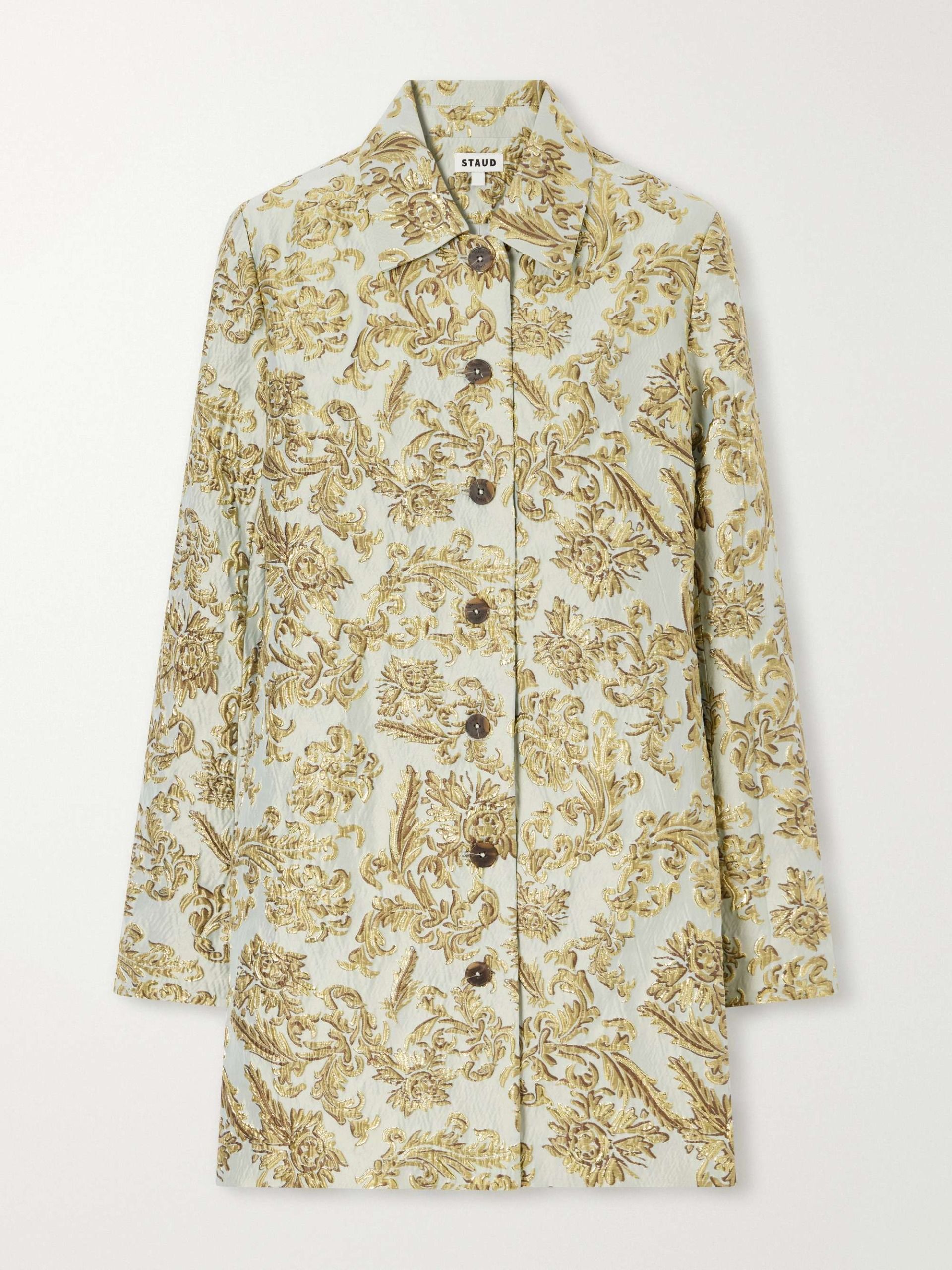
The art world has always been a closed circuit, but the real power move is realizing the gate was never locked. This piece understands that dressing for the gallery isn't about performance, it's about showing up with intention. For the modern muse, that distinction is everything.
New Yorkers are already art patrons, whether they subscribe to gallery newsletters or just catch Jacob Lawrence's "New York in Transit" during their daily commute. The barrier isn't access; it's the unspoken language of the room. Tahlia Sisney of The Art Girl puts it plainly: people want context, not intimidation. This is where the practical insight lands, you don't need a degree to stand in front of a canvas. You need curiosity and a willingness to be in the room. The same philosophy that drives Cazze David on Inherited Neuroses, Rituals, and the Art of the Personal Essay applies here: inherited structures, whether neuroses or gallery etiquette, are meant to be examined, not blindly followed. And just as The Store Evolves as a Curated Space for Connection and Discovery redefines the purpose of in-person shopping, the gallery experience is shifting from exclusive transaction to open dialogue. You show up to see the work, not to prove you belong.
The dress code, as Sisney confirms, does not exist. That is a permission slip, not a trap. Authenticity prevails, but fashion will still be discussed. The smart play is to treat your outfit as a nod to the art itself, texture, proportion, a deliberate palette. A cinched blazer with wide-leg trousers. A brocade jacket with a fringed scarf. You are there to observe, so let your details whisper rather than shout. The etiquette is even simpler: be curious, pay attention, and never pretend to know an artist's entire bibliography. The most interesting people in the room are the ones asking questions, not the ones delivering prepared opinions.
The concrete takeaway is this: mark your calendar for Art Week NYC, November 11 to 14, and follow the itinerary. That four-day festival of gallery-hopping, artist-led walk-throughs, and industry conversations is the fastest way to move from observer to participant. Between Krasner and Pollock at The Met and Yoshimoto Nara's return to David Zwirner, the city's conversation is already written. Your job is to show up, listen, and decide what you think.