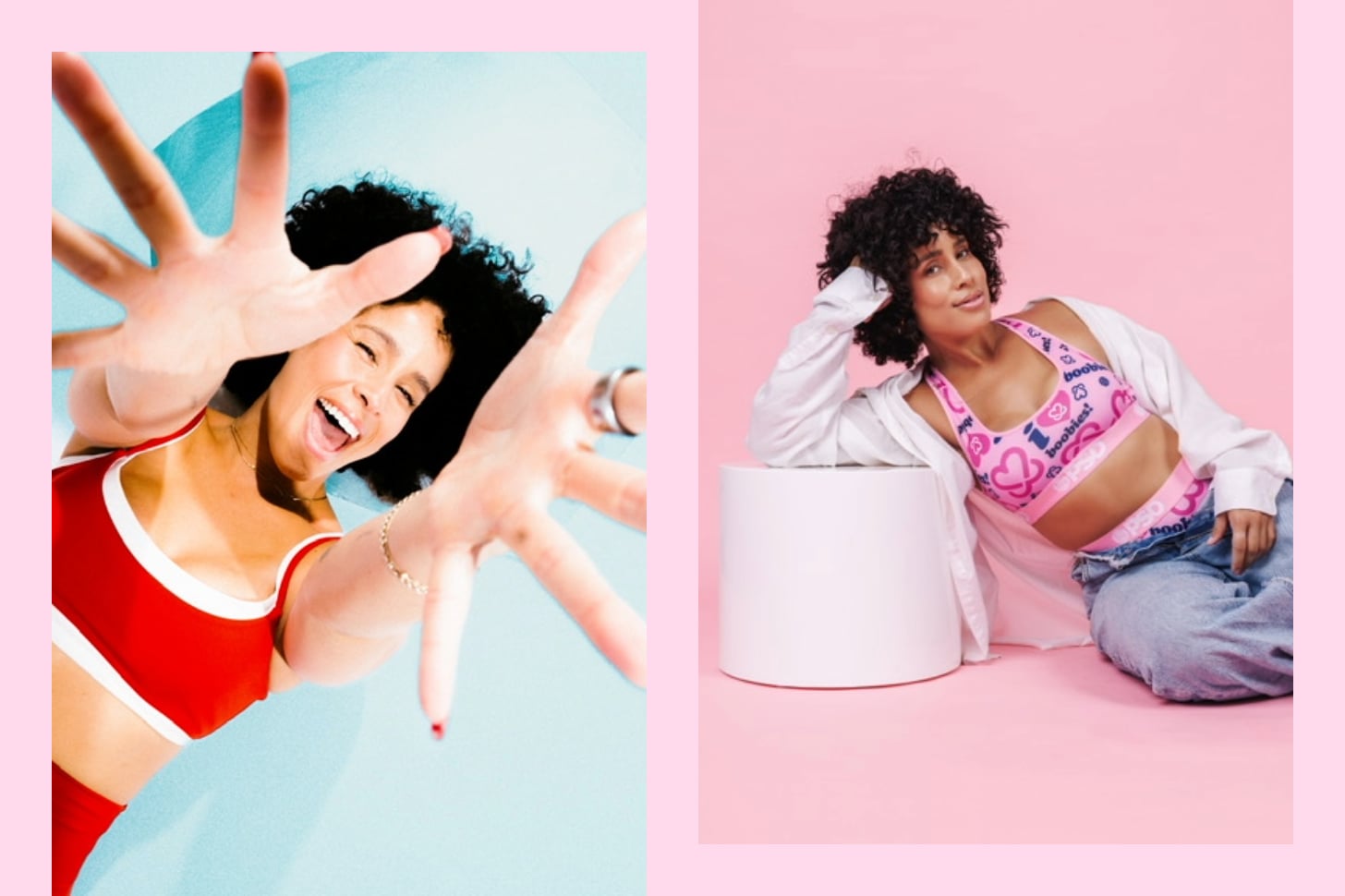
Movement is not a punishment. It is not a debt to be paid for yesterday's indulgence, nor a chore to be checked off before the day can begin. That reductive framing is precisely what Amanda Butler's story dismantles. A personal trainer and breast cancer survivor diagnosed at 32, at the peak of her career, Butler did not approach exercise as a means of control over her appearance. She used it to reclaim control over her life. Her question was never "How do I want to look?" It was "How do I want to feel?" The answer: strong. That distinction is the editorial line between a wellness trend and genuine self-care, and it is one our readers already understand. After all, the same intentionality that informs a curated wardrobe or a considered travel itinerary should govern how we move our bodies. As we explored in The Dress Code of the Art Set: Etiquette, Players, and Power, the way we present ourselves is a statement of agency. Butler's approach to exercise is no different, it is a declaration of ownership over one's own narrative.
The research published in *JAMA Network Open* confirms what Butler lived: mind-body modalities like yoga and tai chi significantly reduce anxiety and depression in older cancer patients, improving health-related quality of life. But Butler's experience adds a layer that statistics cannot capture. She continued teaching Barry's classes, coaching clients, and filming workouts through five of six chemotherapy rounds. That is not reckless ambition; it is a recalibration of purpose. When chemo began eating away at her muscles, she pivoted from performance to preservation. The goal shifted from beating a personal record to maintaining what she had. That is not a concession, it is strategy. And when fatigue finally demanded a full stop, she did not abandon movement entirely; she held it in her mind as a future return. This is the kind of disciplined, grounded thinking that elevates a routine into a ritual. It echoes the ethos behind The Beauty Editor Edit: Curated Gifts from $50 to $1,000, where every selection is intentional, not impulsive. Butler's fitness journey is similarly curated, not by a stylist but by necessity.
The practical takeaway here is direct and actionable. Butler recommends starting at zero and moving to one, then one to two. Not zero to one hundred. That is not a concession to weakness; it is a recognition that sustainable strength is built incrementally. She also advocates for asking one question before any workout: Do I enjoy what I am doing? It is a deceptively simple filter. If the answer is no, the movement is not serving you, it is consuming you. For readers who have ever felt trapped by a fitness regimen that demands more than it gives, this is permission to edit. To tailor. To treat your body with the same respect you would a favorite blazer: it should fit you, not the other way around. Butler's relationship with exercise has shifted from one marked by over-exertion and food issues to one rooted in feeling good. That is not softness. That is the hardest work of all.
The open question is whether the broader fitness industry is ready to follow her lead. Fitfluencers and viral challenges reward the spectacular, the transformation, the PR, the sweat-soaked finish line. Butler's model rewards the sustainable. It rewards the quiet act of showing up for yourself when no one is filming. That is a harder sell, but it is also the only one that lasts. Watch for how this reframing begins to influence the language of luxury wellness retreats, boutique studio programming, and even the way we talk about "post-treatment" bodies. The strongest statement you can make is not how much you can lift. It is that you decided to move at all.